Endangered Species Act Shift
Trump Administration Exempts Accidental Endangered Species Deaths From Legal Penalties
Anonymous
Key Points
1
The memorandum was signed by Fish and Wildlife Service Director Brian Nesvik and sent directly to field offices; the Interior Department did not publish it in the Federal Register or open it for public comment, and it would not say whether the interpretation was already being enforced.
2
The directive relies on a 1995 dissent by Supreme Court Justice Antonin Scalia, including the examples that a vessel striking a whale has not unlawfully taken it if its course was not set against the whale, and that cutting down a tree containing bats is not a take unless the tree was felled to kill or capture them.
3
Massachusetts conservation officials said protections for piping plovers have helped the species increase from 135 pairs in 1986 to more than 1,200 pairs in the state; current safeguards include fencing nesting areas, preventing vehicles from striking birds and chicks, and requiring dogs to be leashed.
4
Former Justice Department environmental lawyer Andrew Mergen said the interpretation would remove the practical force of the Endangered Species Act because endangered animals are usually killed incidentally—through vehicle strikes, fishing gear, pesticides, construction and drilling—rather than through deliberate poaching.
The Trump administration has reinterpreted the Endangered Species Act to shield companies from penalties when protected animals die as a side effect of logging, fishing, or construction—as long as the deaths were not intentional. Fish and Wildlife Service Director Brian Nesvik issued a September 14 memo stating that activities like felling trees with endangered bats inside or vessels striking whales do not violate the law unless the harm was the specific goal. The change eliminates decades of enforcement that held industries accountable for foreseeable but accidental deaths.
Conservationists and former Justice Department lawyers warn the policy guts the Endangered Species Act by removing pressure on companies to prevent deaths. Former Justice Department environmental lawyer Andrew Mergen noted that most endangered animals die incidentally—through vehicle strikes, fishing nets, pesticides, and construction—not deliberate poaching. The administration did not publish the memo in the Federal Register or seek public comment, and states are already challenging the broader policy shift in court.
How the New Rule Narrows 'Harm' Under the Law
The memo relies on a 1995 Supreme Court dissent by Justice Antonin Scalia to redefine what counts as an illegal "take" of an endangered animal. Under the old interpretation, companies had to prevent foreseeable deaths even if they weren't the primary target. Scalia's dissent—used by the Trump administration as legal authority—argued that a vessel striking a whale does not violate the law unless the ship's course was deliberately set against it. Similarly, cutting down a tree containing endangered bats would not be illegal unless the tree was felled specifically to kill them.
This interpretation removes a key incentive for industries to adopt protective measures. A logging company would no longer need to survey trees for bats before cutting. A fishing vessel would not face penalties for nets that catch endangered sea turtles. Construction projects would avoid costly environmental safeguards if deaths were incidental rather than intended.
Piping Plovers Show What's at Stake for Species
The piping plover, a small shorebird, illustrates how current protections work. Massachusetts conservation officials reported that piping plover pairs in the state jumped from just 135 in 1986 to more than 1,200 today. This recovery required intensive safeguards: fencing nesting areas, preventing vehicle traffic from crushing eggs and chicks, and requiring beachgoers to leash dogs. Under the new rule, many of these protections could be challenged if deaths appeared unintentional.
Species Facing Renewed Risk From Construction and Industry
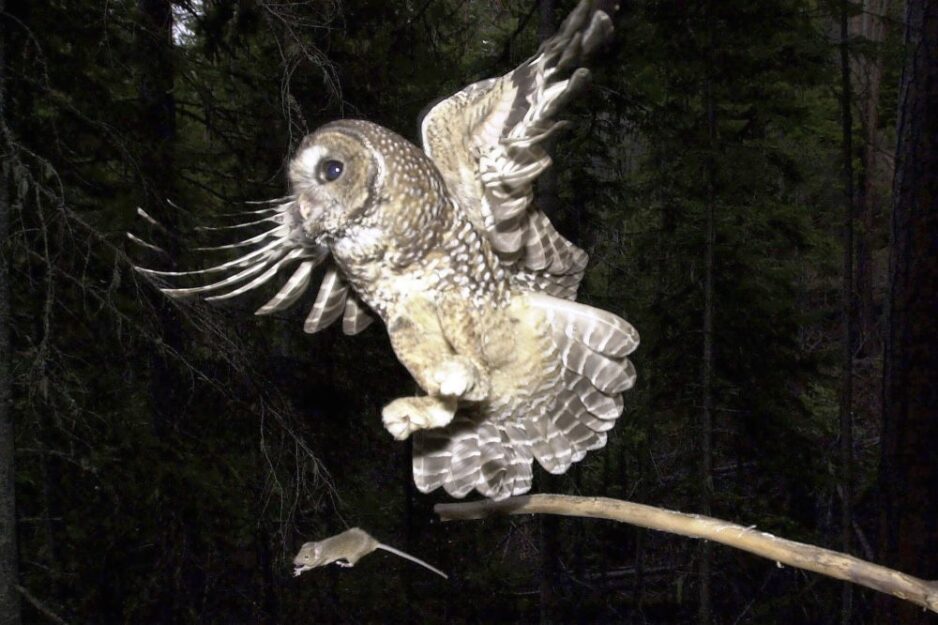
Salmon, grizzly bears, spotted owls, and piping plovers all depend on rules that penalize foreseeable harm. Logging in old-growth forests kills spotted owls whose nests lie in felled trees. Fishing operations inadvertently trap endangered salmon. Road construction and vehicle strikes kill grizzlies crossing highways. Dam-building alters river flows that salmon depend on for spawning. Under the new interpretation, these industries can argue the animal deaths were incidental, not targeted, and therefore legal.
Administration Cites Judicial Authority, Faces Court Challenges
The Trump administration justified the change by pointing to recent Supreme Court rulings that limit how much deference agencies deserve when interpreting statutes. Fish and Wildlife Service officials claim the memo restores the statute's original meaning. However, conservation groups and states are already suing to block the administration's broader rollback of environmental regulations. The memo was sent directly to field offices without publication in the Federal Register, making public comment impossible and raising questions about whether the interpretation is already being enforced in the field.
Sentiment
Mostly NegativeNEGATIVENEUTRALPOSITIVE
Publishers
14
Articles
196
Reach
210
Topics
A
AnonymousAuthor