Twenty States, D.C., Sue Trump Over Habitat Rollback
Twenty States, D.C., Sue Trump Over Habitat Rollback
Anonymous
Key Points
1
The revised definition of “harm” is scheduled to take effect on Sept. 14, meaning habitat damage would generally no longer be prohibited unless it directly injures or kills a protected animal.
2
The changes could affect species in specific California ecosystems, including southern California steelhead trout, California condors and red-legged frogs; California’s condors and sea otters were cited as examples of species that benefited from the Endangered Species Act.
3
The revised threatened-species policy would require wildlife officials to create individual protections for each newly listed threatened species instead of extending automatic safeguards, potentially adding work to an already strained agency.
4
The Interior Department defended the changes as ending “years of federal overreach” and providing “long overdue financial and regulatory relief” to people facing delays and costs from what it called interpretations extending beyond the statute.
Twenty states and Washington, D.C., sued the Trump administration on Tuesday over three major rollbacks to the Endangered Species Act. France24 reported that the changes redefine "harm" to cover only direct injury or death, potentially allowing habitat destruction that damages breeding, feeding, and shelter areas. The revised definition takes effect September 14.
California and allied states argue the rules violate federal environmental law and could accelerate species decline. Newsweek noted the changes affect species recovery protections, while the Interior Department says the revisions reduce regulatory burden and match the statute's original text.
How the New "Harm" Rule Changes Protection
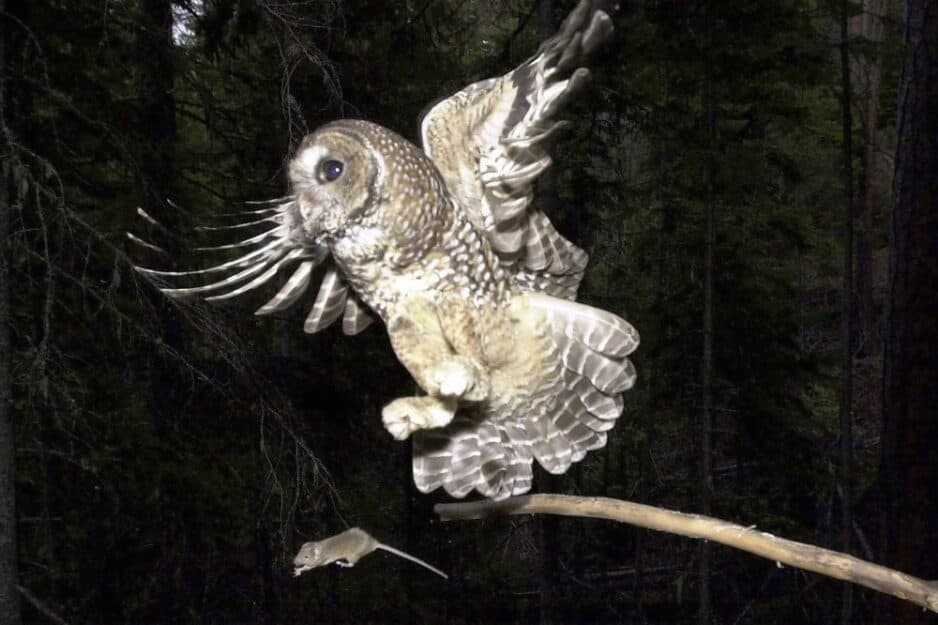
Under the old rule, federal law protected habitat that endangered species needed to survive — breeding areas, feeding grounds, shelter. France24 reported that the Trump administration redefined "harm" to generally mean only direct injury or death. This means commercial fishing or logging that destroys habitat but doesn't directly kill animals could now be legal.
The change is scheduled to take effect September 14. Malaysia.news.yahoo.com reported that conservationists argue the change effectively guts the Endangered Species Act's core protections. California says at least 140 federally protected species and migratory wildlife could be affected in the state.
Threatened Species Face Loss of Automatic Safeguards
The new rules also eliminate automatic protections when wildlife agencies list a species as threatened (less endangered than "endangered"). Instead, officials must create individual protections for each species. This adds work to an already strained agency dealing with hundreds of species in its backlog.
A third rule makes it easier to exclude land from critical-habitat designations — areas legally required to be protected. Together, these changes weaken the safety net that led species like California condors and sea otters to recover, Newsweek noted.
Species at Risk Include Steelhead and Red-Legged Frogs
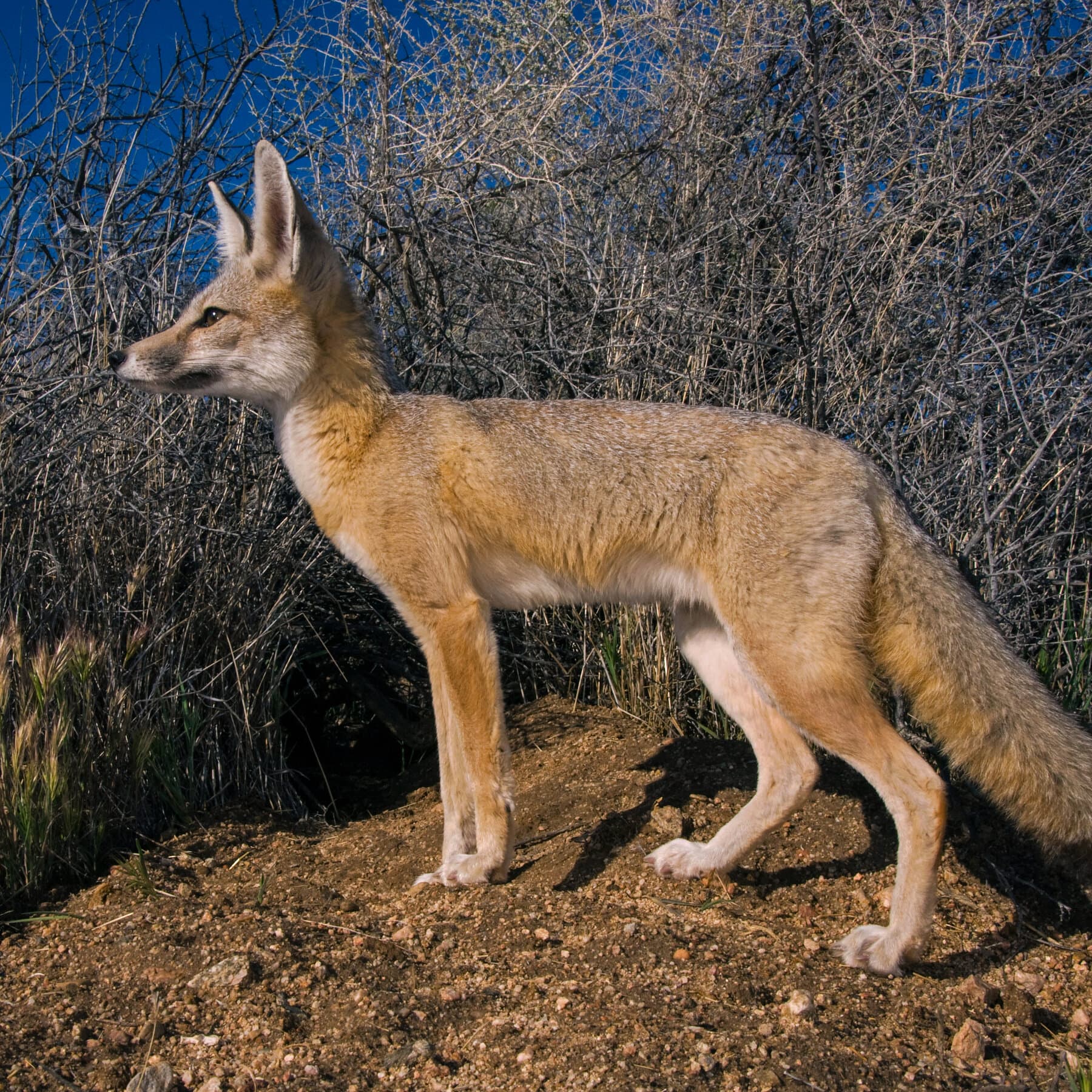
California's lawsuit specifically names at-risk species in the state. Southern California steelhead trout, California condors, and red-legged frogs could suffer from habitat destruction that the new rules would allow. Steelhead depend on clean, cool streams; condors need vast wilderness areas.
These species were cited as success stories of the 1973 Endangered Species Act — the law now being weakened. California argues its own state protections cannot fully replace federal safeguards for species that cross state lines or depend on interstate migration.
Trump Administration Calls Changes "Long Overdue Relief"
The Interior Department defended the rollbacks as ending "years of federal overreach." Officials say the changes provide "long overdue financial and regulatory relief" to people facing delays and costs from what they call excessive interpretations of the 1973 statute.
The administration argues the revised rules better match the statute's original text. Yet Malaysia.news.yahoo.com reports that conservationists warn agency staffing losses and the backlog of hundreds of species make weakened protections especially dangerous right now.
Sentiment
Mostly NegativeNEGATIVENEUTRALPOSITIVE
Publishers
27
Articles
45
Reach
72
A
AnonymousAuthor