Divisive Austen Adaptation
Georgia Oakley’s Naturalistic Sense and Sensibility Adaptation Receives Mixed Reviews
Anonymous
Key Points
1
The adaptation makes the Dashwoods’ displacement more explicitly political and humiliating: after John Dashwood inherits their Sussex estate, Mrs. Dashwood insists on moving to Devon rather than tolerate the appearance that Elinor is pursuing Edward Ferrars for financial security.
2
The film’s visual and tonal approach draws heavily on Brontëan and contemporary literary influences: the review compares Oakley’s style to Andrea Arnold’s Wuthering Heights (2011), with insects and wild landscapes echoing the sisters’ “feral impulses.”
3
The Independent argues that the adaptation may be less Austen-like because it deemphasizes the novel’s comedy of manners and social maneuvering, contrasting Elinor’s “coolness of judgment” with Marianne’s unmoderated Romantic sensibility.
4
The film gives Marianne’s early encounter with Willoughby a notably physical setup: she twists her ankle during a walk and is carried back to the cottage by the charming but deceptive suitor.
5
The production is scheduled for a theatrical release on October 16, 2026, according to the review roundup.
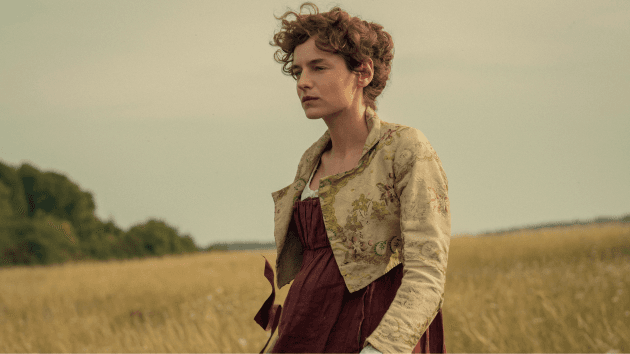
Georgia Oakley's new adaptation of Sense and Sensibility divides critics with its raw, earthy take on Jane Austen's 1811 novel. Starring Daisy Edgar-Jones and Esmé Creed-Miles as sisters Elinor and Marianne Dashwood, the film relocates their romantic struggles to a rugged Devon landscape shot in moody 35mm cinematography Financial Times. Reviewers praise the striking visuals and performances but split on whether the film's Brontë-like sensibility—favoring mist and wild nature over drawing-room wit—captures Austen's satirical edge.
Grounded Visuals and Emotional Performances Divide Opinion
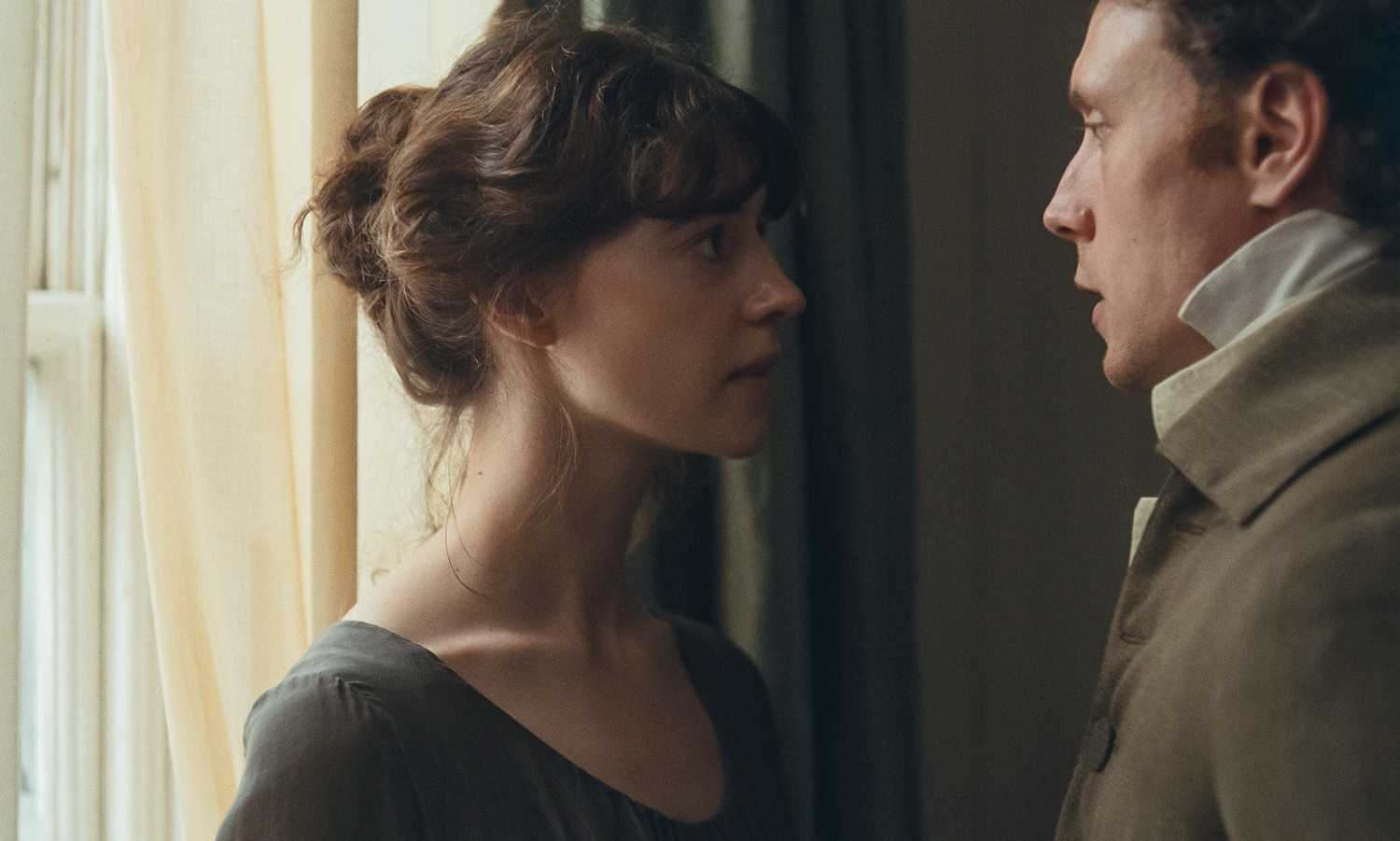
The film's naturalistic style generates the sharpest praise and criticism. Financial Times highlights the 35mm cinematography and the chemistry between Edgar-Jones and George MacKay as standout strengths. Frank Dillane's portrayal of the charming but duplicitous Mr. Willoughby draws particular acclaim. Yet other critics find the muted palette and subdued pacing exhausting, calling the film drab and low-energy rather than emotionally resonant.
The film depicts Marianne's ankle-twisting encounter with Willoughby as a notably physical scene—he carries her back to the cottage—grounding the budding romance in bodily vulnerability rather than witty repartee.
Political Humiliation Drives the Dashwoods to Devon
Oakley's adaptation makes the family's displacement starkly political. After John Dashwood inherits their Sussex estate, Mrs. Dashwood—played by Caitríona Balfe—insists on moving to Devon. Her refusal reflects not mere preference but active resistance to appearing financially desperate or positioning Elinor to snare Edward Ferrars for security. This reading sharpens the novel's class anxieties and female vulnerability.
Austen's Wit Gets Lost in Literary Reinvention
The Independent argues the adaptation strips away Austen's comedy of manners and social maneuvering by emphasizing raw landscape and Romantic sensibility over sharp dialogue. The film privileges Marianne's "feral impulses" and wild emotion—echoing Andrea Arnold's 2011 Wuthering Heights—at the expense of Elinor's cool judgment and Austen's biting social critique. This stylistic choice feels more contemporary literary than authentically Austenian to detractors.
October 2026 Release Follows Divided Festival Reception
The film is scheduled for theatrical release on October 16, 2026. Spectator Australia concludes that Oakley's version does not outshine Ang Lee's beloved 1995 adaptation, positioning this reinvention as a thoughtful but uneven experiment rather than a genuine successor.
Sentiment
Mostly NegativeNEGATIVENEUTRALPOSITIVE
Publishers
19
Articles
17
Reach
36
A
AnonymousAuthor