Witcher 3 Path-Tracing
RTX 5080 targets Witcher 3 4K path-tracing using upscaling and frame generation.
Anonymous
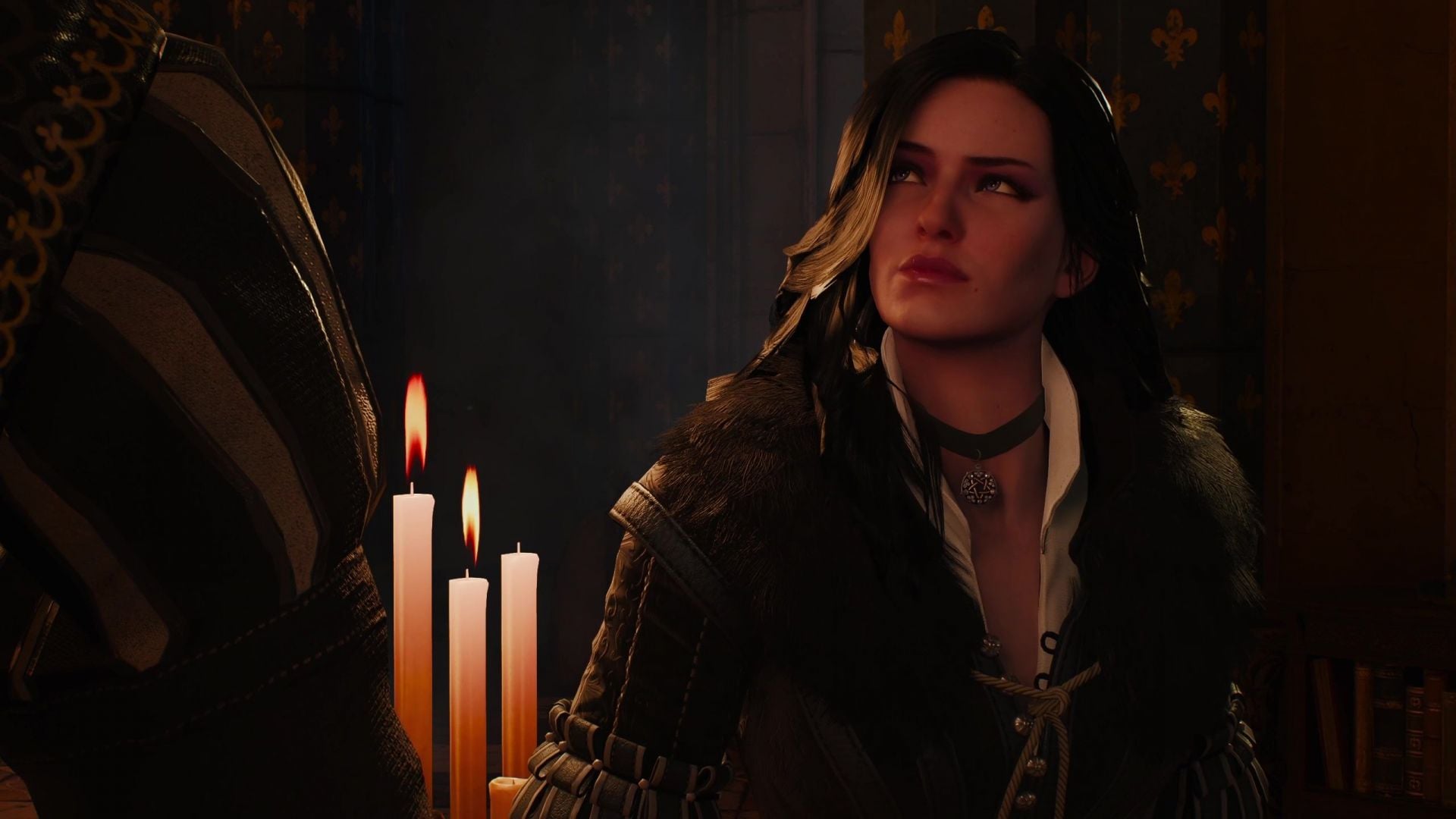
The Witcher 3: Wild Hunt Remastered’s PC requirements list an RTX 5080, high-end processor and 24GB of memory for a 4K, 60-fps path-tracing target—but that target depends on upscaling and frame generation, not native 4K performance. Early tests suggest path tracing is demanding and may be bottlenecked in busy areas: an RTX 5080 averaged about 30 fps at 4K without frame generation, while an RTX 5090 reached roughly 62 fps at 1080p with DLSS. Reviewers also question whether the visual trade-off is worthwhile, reporting that path tracing can look washed out or overexposed and, in some scenes, worse than the standard Ultra ray-tracing mode. The update also raises minimum hardware requirements, makes an SSD mandatory and drops official Windows 10 support; owners can still use older game versions if they prefer.
Key Points
1
The Remastered update was scheduled to launch on September 29 as a free upgrade for existing owners of the Complete Edition.
2
The new minimum GPU requirement is a GTX 1660, RX 5500 XT or Intel Arc A580; CD Projekt RED said the GTX 1660 can exceed the listed 1080p/30-fps minimum and reach 60 fps or higher at minimum settings. The change partly reflects NVIDIA ending Game Ready driver support for Maxwell, Pascal and Volta GPUs.
3
In IGN’s RTX 5080 test, disabling HairWorks raised the 4K path-tracing average from 30 fps to 44 fps before frame generation; enabling frame generation at the 30-fps baseline also produced noticeable artifacts, particularly in ground textures.
4
Hardware Unboxed measured roughly 35% CPU utilization on its Ryzen 7 9800X3D during path-tracing tests, with no individual core fully loaded. The frame rate rose to around 80 fps outside Novigrad, suggesting the busy-city results may reflect a game bottleneck that could potentially improve with optimization.
Sentiment
Mostly PositiveNEGATIVENEUTRALPOSITIVE
Publishers
24
Articles
5
Reach
29
Topics
A
AnonymousAuthor


