Pollution Concerns Span Afghanistan, Latin America, Michigan
Pollution Concerns Span Afghanistan, Latin America, Michigan
Anonymous
Key Points
1
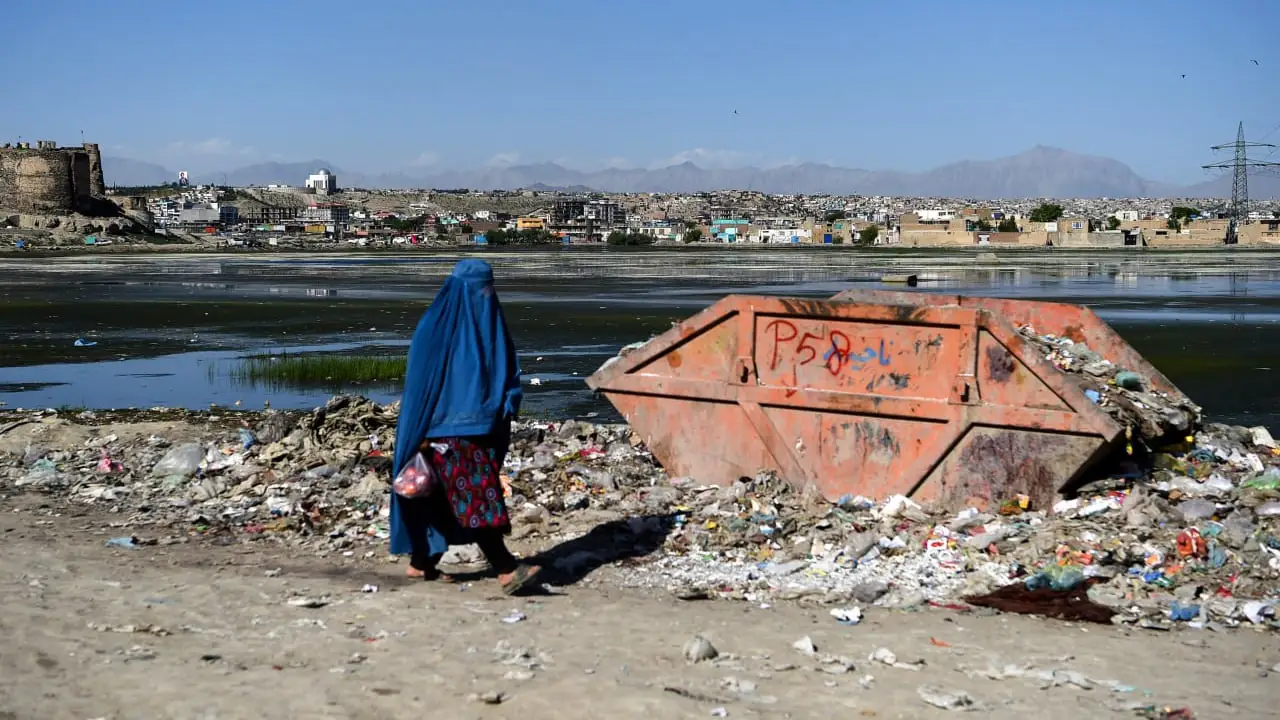
Afghanistan’s pollution problem is compounded by inadequate urban drainage and waste-management systems, waste accumulation in public spaces and waterways, and limited public awareness of sanitation. UNAMA issued its warning in a message marking World Cleanup Day on Sept. 20.
2
Michigan’s first PFAS Awareness Week, proclaimed for Sept. 21–25 by Gov. Gretchen Whitmer, includes 15 free public events across the state, along with online webinars covering private-well testing, Michigan’s Eat Safe Fish guide and ways to reduce exposure through consumer products.
3
Research identified seven Latin American plastic-pollution hotspots—the Dominican Republic, Guatemala, Honduras, Mexico, Nicaragua, Panama and Paraguay—where imports of low-quality plastic coincide with high rates of mismanaged waste. Lead researcher Veronica Herrera said some countries are importing waste without having the capacity to handle it.
4
Pakistan recorded the worst air quality among 143 countries monitored in IQAir’s 2025 report, with annual average PM2.5 levels more than 13 times the World Health Organization guideline; Lahore, Faisalabad, Multan and Peshawar were among the world’s 10 most polluted cities.
5
Pakistan’s National Clean Air Policy attributes 235,000 premature deaths annually to air-pollution exposure, while the University of Chicago’s Air Quality Life Index estimates that meeting the WHO guideline could increase average life expectancy by 3.3 years nationally and by more than five years in Lahore and Peshawar.
Pollution crises are spreading across continents, overwhelming communities from Afghanistan to Latin America to the United States. UNAMA warns that Afghanistan faces mounting threats from plastic dumping and coal smoke in cities like Kabul, while MLive reports that Michigan is launching its first PFAS Awareness Week to confront toxic chemicals in drinking water. In Latin America, seven countries have become pollution hotspots after importing discarded plastic waste since China banned imports in 2018.
Afghanistan Battles Waste and Air Pollution Crisis
Afghanistan's environmental problems stem from broken waste systems and public spaces choked with garbage. UNAMA issued warnings on World Cleanup Day (September 20) about plastic dumping in waterways and inadequate urban drainage. Coal burning and older vehicles pump toxic fumes into cities, making Kabul's air dangerous. Daily Sabah notes that faulty environmental data hampers efforts to fix these problems and puts public health at risk.
Michigan Declares War on PFAS Toxic Chemicals
Michigan held its first PFAS Awareness Week from September 21–25, with Governor Gretchen Whitmer proclaiming the event statewide. MLive reports the week included 15 free public events across Michigan plus online webinars on private-well testing and safe fish consumption. PFAS chemicals lurk in drinking water, soil and wildlife—potentially linked to cancer, immune damage and developmental problems in children.
Latin America Drowning in Discarded Plastic Waste
Seven Latin American countries—the Dominican Republic, Guatemala, Honduras, Mexico, Nicaragua, Panama and Paraguay—have become pollution hotspots after China's 2018 import ban redirected trash to their shores. Research shows these nations import low-quality plastic waste faster than their systems can handle it. Lead researcher Veronica Herrera stated that some countries import waste without the capacity to manage it, overwhelming infrastructure and harming public health.
Pakistan's Air Quality Crisis Threatens Millions
Pakistan recorded the worst air pollution among 143 countries monitored in IQAir's 2025 report. Annual PM2.5 levels exceed WHO guidelines by more than 13 times. Lahore, Faisalabad, Multan and Peshawar rank among the world's 10 most polluted cities. Pakistan's National Clean Air Policy attributes 235,000 premature deaths yearly to air pollution, while the University of Chicago estimates that meeting WHO standards could boost average life expectancy by 3.3 years nationwide—and over five years in Lahore and Peshawar alone.
Sentiment
Mostly NegativeNEGATIVENEUTRALPOSITIVE
Publishers
18
Articles
105
Reach
123
Topics
A
AnonymousAuthor