London Fire History
Historical Retrospective Explores the Great Fire of London and Community Milestones
Anonymous
Key Points
1
In Sundance’s baseball game, Plato pitched the entire contest and kept Hulett’s hits scattered; Teeter, the new high school coach, played well at second base, while Bill Febloredt made two successive catches in right field to halt a dangerous rally.
2
The Murray County retrospective reports that several local servicemen returned from overseas duty, including Pvt. T.F. Ogles, who received a Purple Heart and a European Campaign Ribbon with two Battle Stars, and Roy M. Lewis, who earned a campaign ribbon with five Battle Stars.
3
The New Mexico camel event was held Sept. 12–13 and commemorated the 1857 expedition that passed El Morro; students also compared the adaptations of camels, horses, mules and oxen for transportation and work in the Southwest.
4
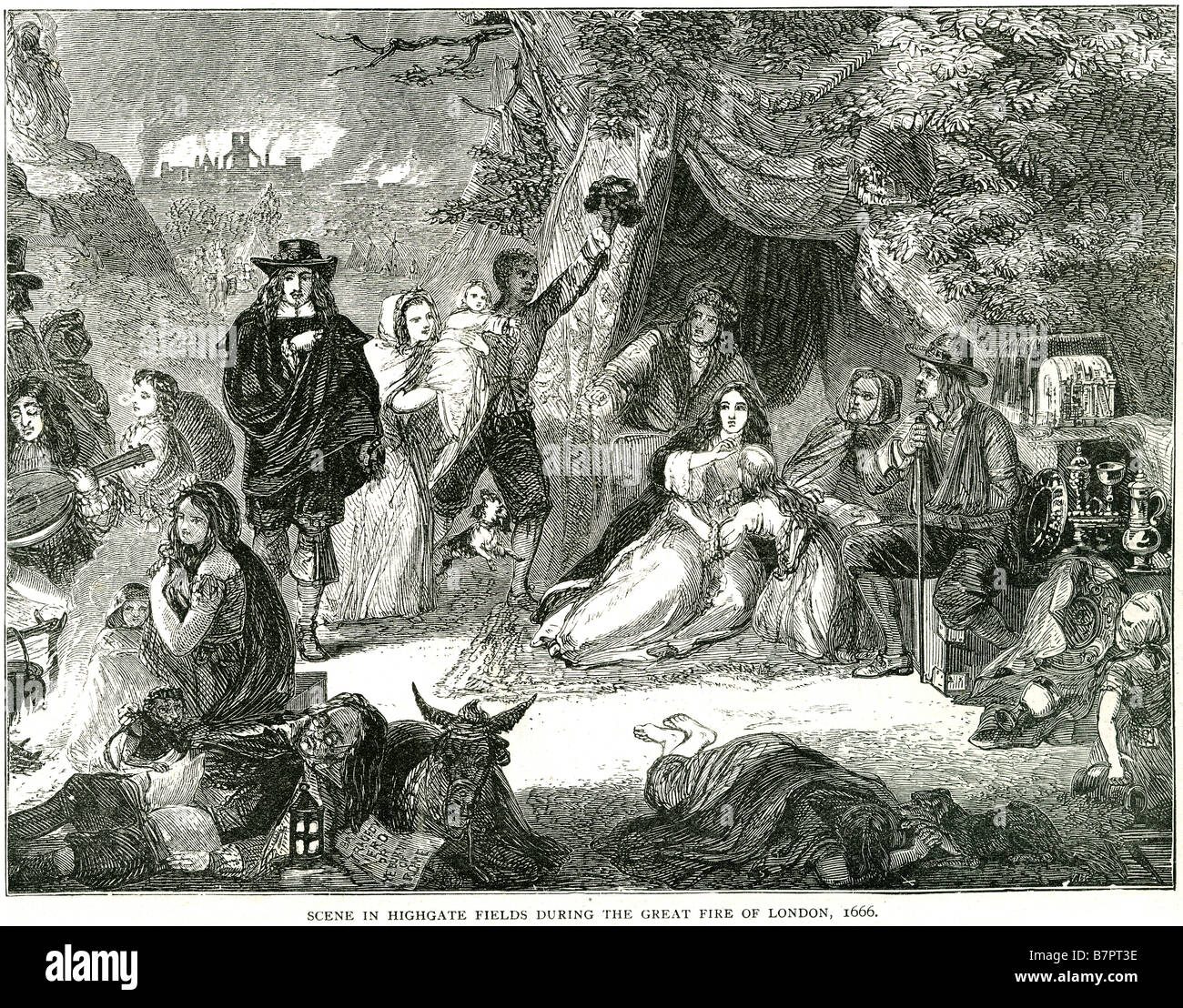
The Great Fire began at a bakery on Pudding Lane and destroyed thousands of buildings, including St. Paul’s Cathedral, leaving an estimated 70,000 people homeless before firebreaks and favorable winds helped stop it.
5
Prairie County’s September 11 memorial service drew about 300 people and included the presentation of colors by Terry American Legion Post 32, prayers, bell-ringing and taps by Terry High School trumpeters. Separately, the Terry Volunteer Fire Department’s $88,848 grant required a 10 percent local match, bringing total equipment funds to $97,768 for turnouts, breathing apparatuses and air tanks.
The Great Fire of London destroyed thousands of buildings and left an estimated 70,000 people homeless, according to historical accounts of the catastrophic blaze. The fire started at a bakery on Pudding Lane and spread rapidly, consuming major landmarks including St. Paul's Cathedral before firebreaks and favorable winds finally halted its advance.
How a Bakery Fire Became a City-Wide Disaster
The Great Fire began at a bakery on Pudding Lane and spread with devastating speed across London's densely packed wooden buildings. The blaze consumed thousands of structures before burning itself out. St. Paul's Cathedral, one of the city's most iconic landmarks, fell victim to the flames during the catastrophe.
A Catastrophic Loss Leaves Tens of Thousands Without Homes
The fire's destruction was staggering. An estimated 70,000 people lost their homes as the flames tore through London's neighborhoods. The scale of homelessness created an unprecedented humanitarian crisis for the city and its residents who had nowhere to turn.
London Rebuilds With Stronger Streets and Better Protections
The disaster prompted major changes to London's urban design and construction standards. City planners widened streets to create firebreaks that could slow future blazes. They also required new buildings to use brick and stone instead of wood, making the rebuilt city far more fire-resistant than before.
Firefighting capabilities improved dramatically following the catastrophe. The lessons learned from London's inability to stop the blaze shaped how cities across the world approached fire prevention and emergency response for generations to come.
Sentiment
Mostly NegativeNEGATIVENEUTRALPOSITIVE
Publishers
13
Articles
13
Reach
26
Topics
A
AnonymousAuthor