New UPI Fees Introduced
India Imposes 0.4% Merchant Discount Rate on Large UPI Payments
Anonymous
Key Points
1
Anthropic reportedly reached its first profitable quarter in the second quarter of 2026, well ahead of the market’s earlier expectation of profitability in 2028.
2
The new UPI MDR will be distributed among several participants: the acquiring bank receives 0.12%, the issuing bank 0.16%, the customer’s payment service provider 0.04% and the UPI app provider 0.08%.
3
UPI payments involving mutual funds, securities, stockbrokers and dealers will face a lower MDR cap of 0.02%, or ₹300 per transaction, intended to encourage retail participation in financial markets.
4
Despite Beijing’s crackdown, regulators penalized Futu Rmb1.85 billion and Tiger Brokers Rmb308 million, while exchange-listed QDII funds subsequently traded at premiums as high as 9% for a Nasdaq 100 ETF, 21.6% for a semiconductor fund and 47.7% for a global-chip fund.
5
Within India’s technology sector, Oracle has begun another round of layoffs, with the cuts reportedly concentrated in product engineering while support and consulting teams have seen fewer reductions.
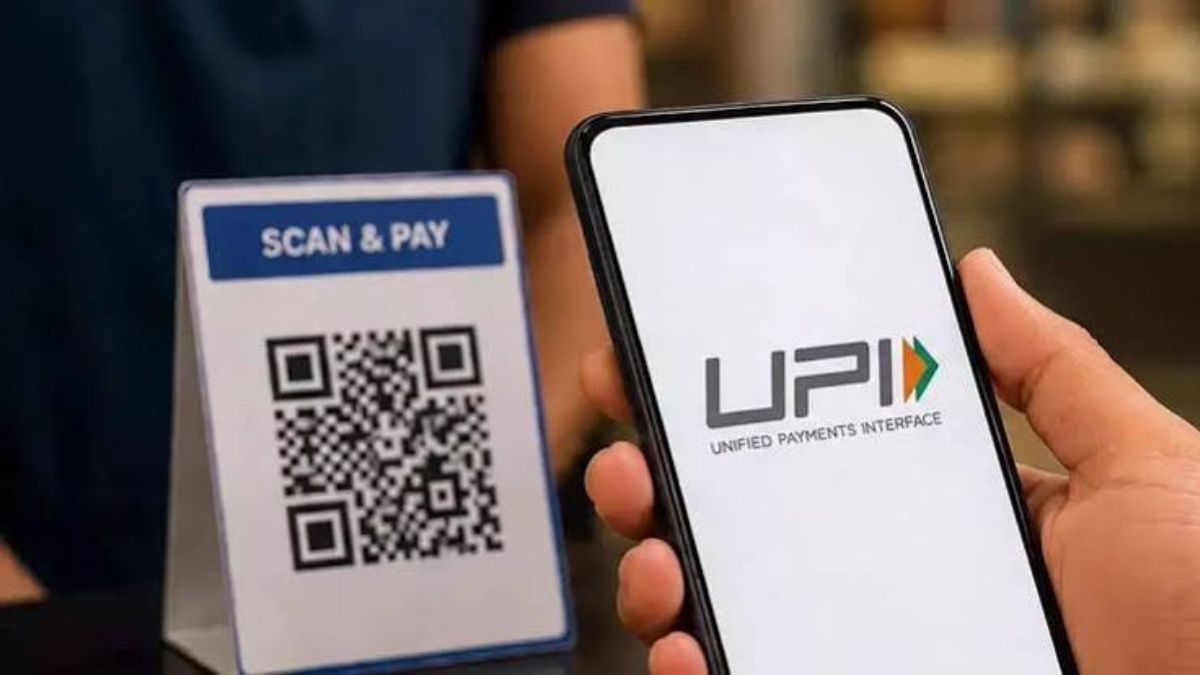
India's digital payments ecosystem is entering a new commercial phase as the National Payments Corporation of India introduces a 0.4% merchant discount rate on UPI transactions above ₹2,000, marking the first time fees attach to large payments IAN's Live. The move creates a new revenue stream for banks and payment platforms while keeping person-to-person transfers and consumer payments free, though merchants worry about margin pressure ahead of the festival season Times of India.
The 0.4% fee will be split among multiple players: the acquiring bank gets 0.12%, the issuing bank 0.16%, the customer's payment service provider 0.04%, and the UPI app provider 0.08% Financial Express. Financial markets in India face additional headwinds from elevated oil prices and U.S. Treasury yields, which could weaken the rupee and prompt rate hikes Financial Express.
How the UPI Fee Split Works Across the Ecosystem
The new MDR structure distributes revenue across four key participants in India's payments chain. Banks and payment platforms will collect fees that were previously unavailable on large transactions Financial Express. This calibrated approach aims to support long-term sustainability without dramatically raising merchant costs IAN's Live.
Transactions involving mutual funds, securities, and stockbrokers face a lower cap of just 0.02% or ₹300 per transaction, designed to encourage retail participation in financial markets Financial Express. Person-to-person UPI transfers remain completely free, preserving the platform's core use case Times of India.
Small Traders Accept Changes While High-Value Merchants Worry
Reactions to the MDR policy split sharply along merchant size lines. Small traders have largely shrugged off the change, viewing it as manageable Times of India. However, high-value merchants fear significant margin hits during India's crucial festival season Livemint.
Trade bodies warn the MDR could push consumers back toward cash payments and shift merchant behavior away from digital transactions Deccan Chronicle. The policy changes payment economics by encouraging focus on high-value transactions rather than volume Financial Express.
Broader Pressures on India's Economy and Currency
India faces headwinds beyond UPI policy changes. High oil prices and elevated U.S. Treasury yields create currency pressure on the rupee Financial Express. These factors could prompt the Reserve Bank of India to raise interest rates as the economy absorbs external shocks.
The widening yield gap between U.S. and Chinese assets continues driving Chinese investors toward American equities despite Beijing's crackdown on unauthorized capital outflows. Exchange-listed QDII funds have traded at extreme premiums—9% for a Nasdaq 100 ETF, 21.6% for semiconductor funds, and 47.7% for global-chip funds—reflecting strong demand Financial Express.
Sentiment
Mostly NegativeNEGATIVENEUTRALPOSITIVE
Publishers
23
Articles
28
Reach
51
A
AnonymousAuthor


