Alternative Travel Destinations
Five Distinctive Towns Across Britain and Ireland Offer Unique Travel Alternatives
Anonymous
Key Points
1
Bo’ness has served as a key harbor on the Firth of Forth since the 1500s, and its foreshore includes a level, roughly 5.5-mile route with open estuary views.
2
Killarney National Park covers 24,710 acres and attracts about two million visitors a year; the land that became the park was donated to the Irish State by politician Arthur Rose Vincent in 1932.
3
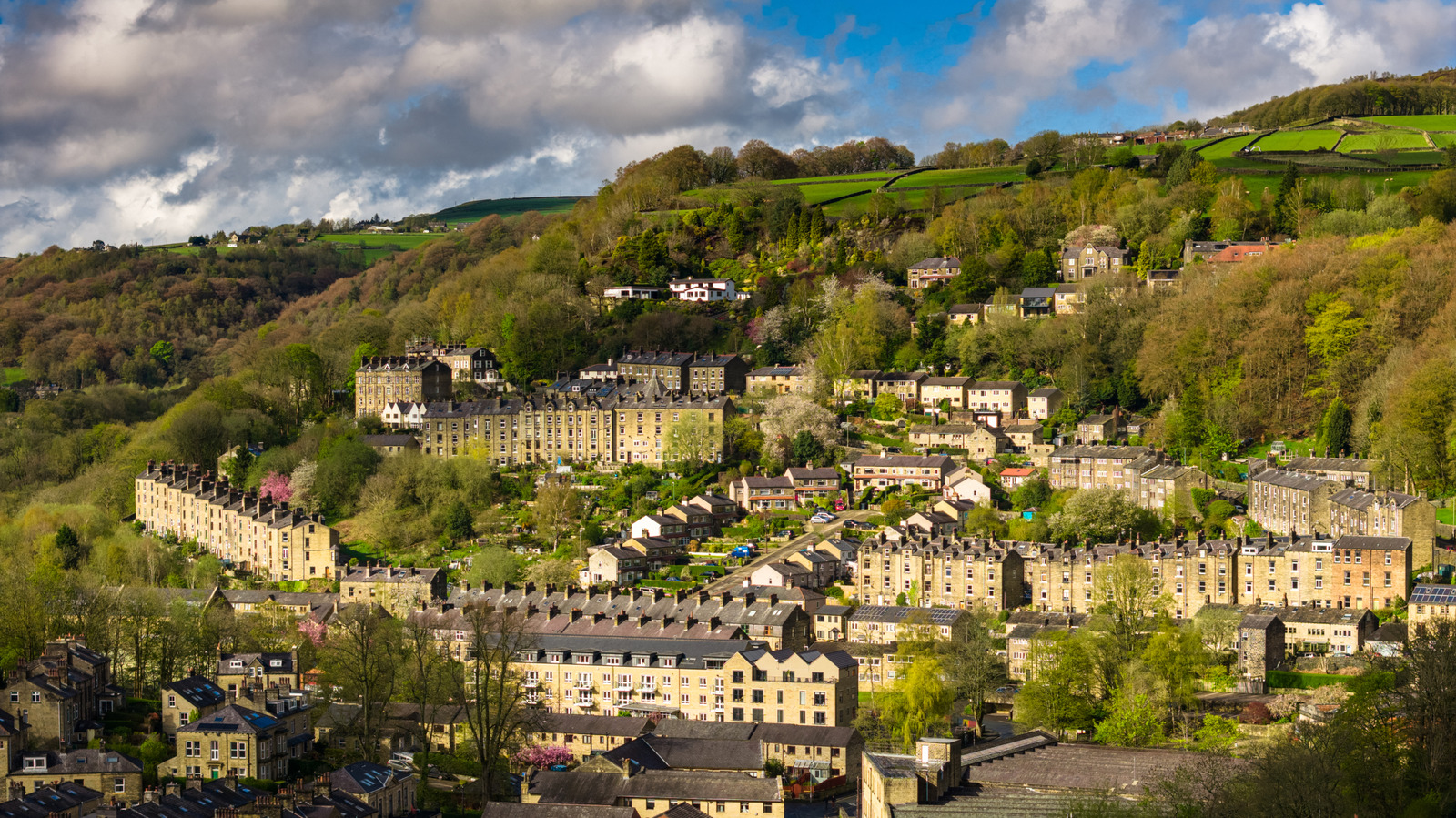
Hebden Bridge’s arts identity grew from its 1970s transformation into a haven for hippie counterculture; its events now include Steampunk Weekends, the Hebden Burlesque Festival and Open Studios.
4
Hawkshead’s parish church dates to 1300 and features Romanesque arches and biblical paintings from 1680; the village’s 15th-century courthouse can be visited by borrowing its key from the National Trust shop.
5
Margate began as a fishing village, then developed into a resort from the 1730s as visitors were drawn to its waters; later, sailboats, steamships and trains helped fuel its popularity as a holiday destination.
Five distinctive towns across the UK and Ireland offer compelling escapes from major cities, each blending natural attractions with unique cultural identities. From Scotland's Bo'ness with its steam-train heritage to Killarney's gateway to Ireland's first national park, these destinations deliver concentrated doses of history, art, and outdoor adventure without the crowds of London or Dublin. Islands highlights how each town preserves its character while welcoming visitors seeking something beyond typical tourist circuits.
Bo'ness: Coastal Walks Meet Railway Heritage
Scotland's Bo'ness, nestled between Edinburgh and Falkirk, has anchored the Firth of Forth since the 1500s as a working harbor. The town pairs scenic coastal trails with operational steam-train rides and crumbling historical ruins. The foreshore walk stretches roughly 5.5 miles at a level grade, offering unobstructed views across the open estuary—perfect for half-day exploration without strenuous climbing.
Killarney: National Park and Lively Streets
Killarney sits on the edge of Ireland's first national park, a 24,710-acre reserve that draws approximately two million visitors annually. Yahoo Travel notes the park's misty lakes, indigenous red deer, and mountain ranges. The town itself bustles with shops and pubs, offering the perfect base to explore the park's trails while enjoying the vibrancy of a working Irish town. The park's land was donated to the Irish State by politician Arthur Rose Vincent in 1932.
Hebden Bridge: Arts, Counterculture, and Valleys
Nestled between Manchester and Leeds, Hebden Bridge transformed in the 1970s from a Victorian mill town into a haven for bohemian artists and counterculture communities. Today the town hosts Steampunk Weekends, the Hebden Burlesque Festival, and regular Open Studios events that draw creative visitors. Islands describes it as the setting for the BBC television show Happy Valley, anchoring its reputation as both artistically vibrant and dramatically compelling—all while the surrounding Calder Valley offers immediate hiking and outdoor escapes.
Hawkshead and Margate: Quieter Charms on Opposite Shores
In England's Lake District, the village of Hawkshead preserves medieval character through car-free streets and centuries-old buildings. Its parish church dates to 1300 with Romanesque arches and biblical paintings from 1680. A 15th-century courthouse remains accessible—visitors simply borrow the key from the National Trust shop. Nearby lakes and trails offer immediate outdoor immersion.
On the southeast coast, Margate blends sandy beaches with vintage seaside charm and contemporary art galleries. The fishing village evolved into a resort from the 1730s onward, then saw explosive growth when sailboats, steamships, and trains made it accessible to London day-trippers. Unusual sea caves add geological intrigue, and direct rail links from London make it an easy escape requiring no car.
Sentiment
Mostly PositiveNEGATIVENEUTRALPOSITIVE
Publishers
18
Articles
13
Reach
31
A
AnonymousAuthor


