Judge Allows SpaceX Wildlife Refuge Land Swap
Judge Allows SpaceX Wildlife Refuge Land Swap
Anonymous
Key Points
1
The lawsuit was brought by a coalition comprising the Center for Biological Diversity, Save RGV, the Carrizo/Comecrudo Nation of Texas and the South Texas Environmental Justice Network.
2
The Fish and Wildlife Service began evaluating the exchange in 2023 to consolidate fragmented holdings and concluded in its June environmental assessment that the deal would produce a “net conservation benefit” through improved landscape-scale habitat connectivity.
3
The government and SpaceX signed the exchange agreement on September 1, with the transfer of title scheduled for September 22.
4
Plaintiffs argued that rocket-test debris was already landing on refuge property and that the exchange would restrict access to public lands used for wildlife viewing and religious ceremonies; the judge characterized their evidence of impending environmental degradation as “relatively weak.”
A federal judge has cleared the way for SpaceX to acquire 715 acres of protected wildlife refuge land in South Texas. Times of India reports that Judge Fernando Rodriguez Jr. declined to block the Trump administration's land swap, which requires SpaceX to give up 683 acres of private land nearby. The exchange had faced fierce opposition from environmental groups and Native American tribes who argue it threatens habitat and public access to sacred lands.
The Fish and Wildlife Service approved the deal in June, saying it would benefit conservation by connecting fragmented refuge properties. Economic Times notes that SpaceX plans to use the new acreage to expand its Massey Test Site near Starbase and build a service road. Opponents vow to continue fighting the swap as the title transfer moves forward, citing rocket debris already landing on refuge property and damage to wildlife viewing areas.
Judge Finds No Clear Evidence of Environmental Harm
Rodriguez ruled that conservation groups failed to prove the land swap would cause immediate or severe damage to the environment. Business Standard reports he found their evidence of environmental degradation "relatively weak." The judge also determined the plaintiffs lacked legal standing to challenge the exchange, a key requirement for blocking government actions. This decision clears a major legal hurdle that had threatened to stop the deal.
Environmental Groups Vow Continued Legal Challenge
The coalition fighting the land swap includes the Center for Biological Diversity, Save RGV, the Carrizo/Comecrudo Nation of Texas, and the South Texas Environmental Justice Network. Louisiana First News reports that despite the judge's ruling, these groups plan to pursue additional legal challenges as the title transfer proceeds. They argue that SpaceX's test site operations already threaten the refuge, with rocket debris landing on protected property.
SpaceX Gains Access to Expand Starbase Operations
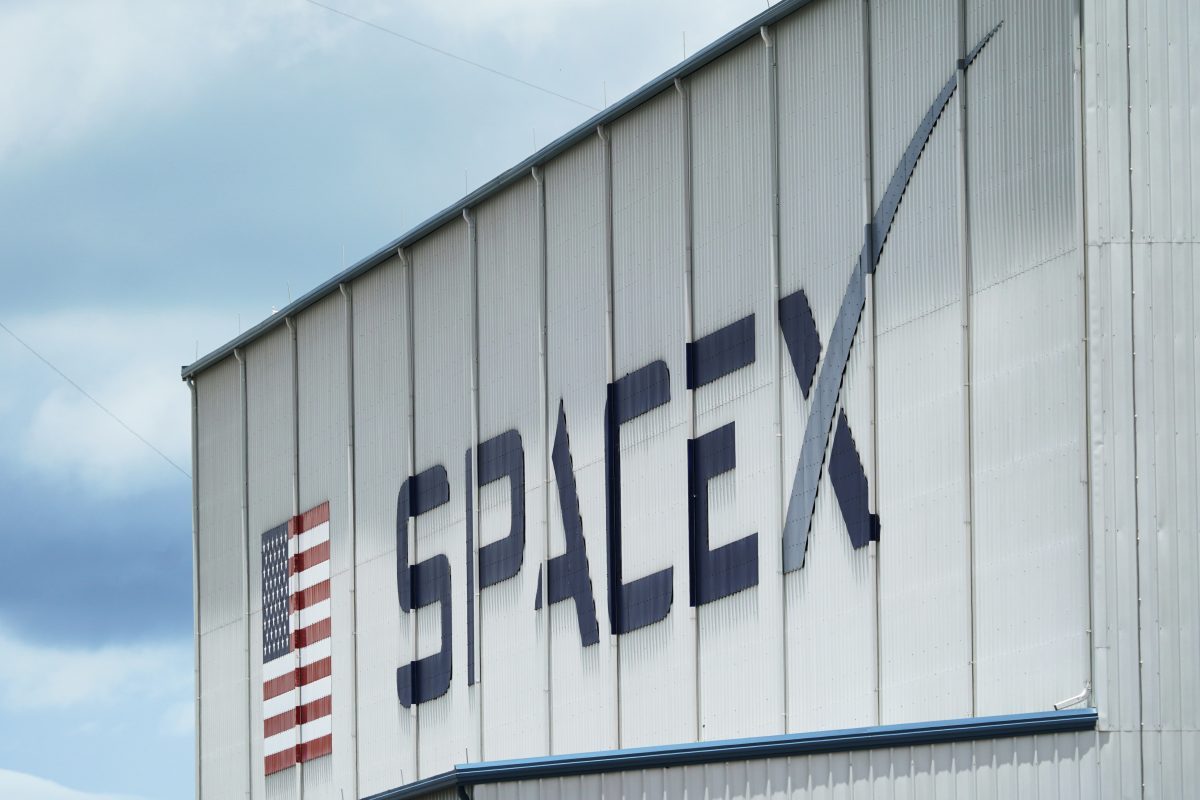
The 715-acre parcel sits within the Lower Rio Grande Valley National Wildlife Refuge, one of Texas's most ecologically sensitive areas. NBC DFW explains that SpaceX plans to use the land to expand its testing facility and construct infrastructure connecting to State Highway 4. The company's Starbase, located nearby in Boca Chica, has faced ongoing complaints about environmental impacts from rocket launches and debris.
Fish and Wildlife Service Sees Net Conservation Benefit
The Fish and Wildlife Service evaluated the exchange for more than a year and concluded in June that it would produce a "net conservation benefit." The government agency approved the deal to consolidate fragmented refuge holdings and improve habitat connectivity across the landscape. Opponents counter that the analysis underestimated risks to endangered species, public access for wildlife viewing, and tribal lands used for religious ceremonies. The title transfer is scheduled for September 22.
Sentiment
Mostly NegativeNEGATIVENEUTRALPOSITIVE
Publishers
28
Articles
211
Reach
239
A
AnonymousAuthor