Panama Canal Drought Restrictions
Panama Canal reduces daily ship transits as severe El Niño drought depletes essential water reservoirs.
Anonymous
Key Points
1
The reduction is divided between the canal’s two lock systems: Neopanamax transits will remain at nine per day, while Panamax transits will fall from 27 to 25 and then to 23 beginning Sept. 15.
2
The maximum permitted vessel draft has been cut from 15.24 meters to 14.63 meters, a restriction that can force shipping companies to reduce cargo loads.
3
Gatún and Alhajuela lakes are not only essential to operating the canal’s locks but also provide drinking water for more than half of Panama’s population, linking the shipping restrictions directly to a major public-water concern.
4
Climate projections cited by the Panama Canal Authority indicate that El Niño is nearly 100% likely to persist into early 2027 and has a 90% chance of becoming severe before the end of the year, raising the prospect of prolonged restrictions.
5
ACP representative Ricaurte Vásquez warned, “What we predict for the future is very, very low rainfall,” while former ACP administrator Jorge Luis Quijano said the lakes must be replenished before the end of November to avoid trouble during the following summer.
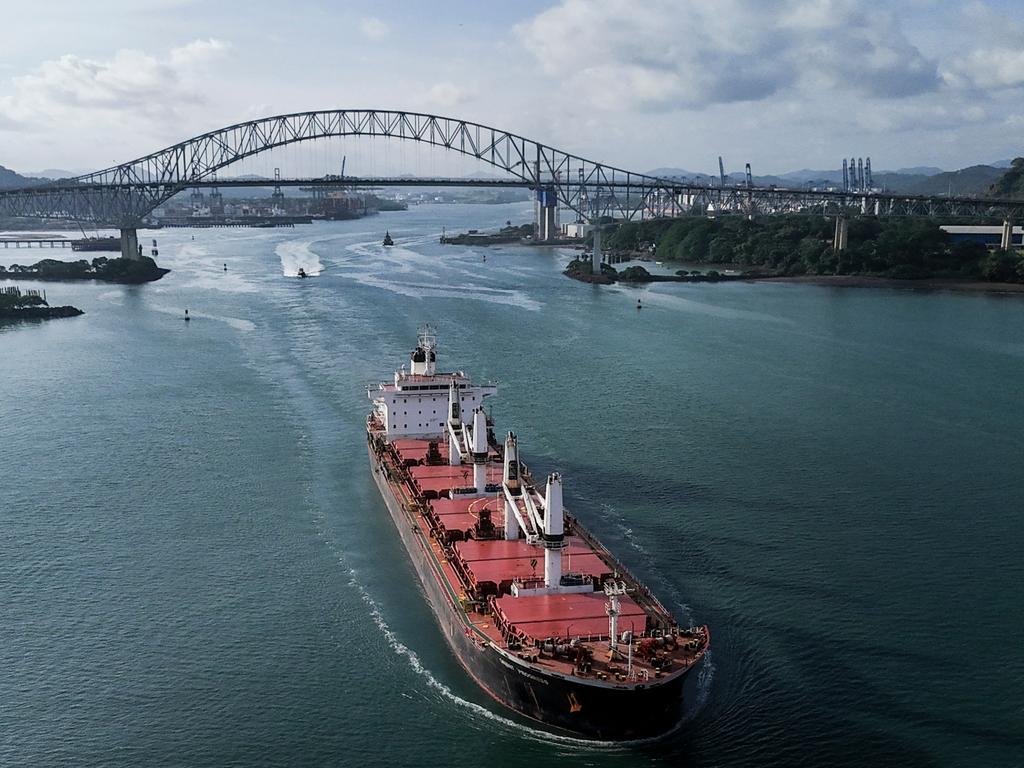
The Panama Canal is cutting daily ship transits from 36 to 32 by mid-September as an El Niño drought drains the waterway's critical reservoirs Bastille Post. Rainfall in the canal watershed fell 34% below average from May through August, while reservoir inflows dropped 44%, forcing the canal authority to lower the maximum ship draft and tighten restrictions that could ripple through global supply chains Morning Chronicle.
The canal moves about 5% of global maritime trade and handles roughly 40% of U.S. container traffic Free Malaysia Today. Panama, Honduras, and El Salvador have declared emergencies over the drought, which threatens both shipping and drinking water for millions. In 2023, similar conditions forced transits down to just 22 per day Bastille Post.
Two Lock Systems Face Different Pressure
The transit cuts are split unevenly between the canal's two lock systems. Neopanamax transits will stay steady at nine per day, while Panamax transits will drop from 27 to 25 and then fall to 23 beginning September 15 Morning Chronicle. These staggered reductions give shippers time to reroute cargo but don't ease the core problem: the canal is running out of water.
Lower Draft Limits Force Lighter Cargo
The Panama Canal Authority has cut the maximum permitted ship draft from 15.24 meters to 14.63 meters WFMZ. This seemingly small reduction forces shipping companies to load fewer containers or lighter cargo onto each vessel. Deeper-draft ships can carry more goods per crossing; shallower restrictions mean more trips are needed to move the same total cargo, straining already-limited transit slots.
Gatún and Alhajuela Lakes Supply More Than Ships
The two artificial lakes that feed the canal's locks do double duty: they also provide drinking water for more than half of Panama's population Morning Chronicle. As reservoirs shrink, the canal authority faces competing demands between keeping ships moving and keeping faucets flowing. This link between commerce and public water supply puts the drought's impact on millions of Panamanian citizens.
ACP representative Ricaurte Vásquez warned that "what we predict for the future is very, very low rainfall." Former canal administrator Jorge Luis Quijano said the lakes must be replenished by the end of November to avoid severe shortages during the next summer season Bastille Post.
El Niño Could Persist Into 2027
Climate projections cited by the Panama Canal Authority show El Niño is nearly 100% likely to continue into early 2027 and has a 90% chance of becoming severe before year's end Morning Chronicle. These forecasts suggest the drought and transit restrictions could last much longer than a few months. If conditions persist into 2024's summer, the canal could repeat 2023's crisis when daily crossings plummeted to 22 Bastille Post.
Sentiment
Mostly NegativeNEGATIVENEUTRALPOSITIVE
Publishers
15
Articles
24
Reach
39
Topics
A
AnonymousAuthor