Lego Sees Record Growth
Lego Revenue Climbs 21% Amid Expansion Into Adult and Interactive Play Markets
Anonymous
Key Points
1
Lego expanded its pop-culture appeal with the K-Pop Demon Hunters line, a tie-in highlighted as particularly popular with girls, helping attract new consumer segments.
2
Lego is installing its largest solar installation to date at its Billund site, with about 160,000 panels expected to generate around 99 GWh per year to align with local electricity needs.
3
Pokemon-branded sets are being released using Lego's new interactive bricks, expanding the line beyond traditional brick-building into more experiential play.
4
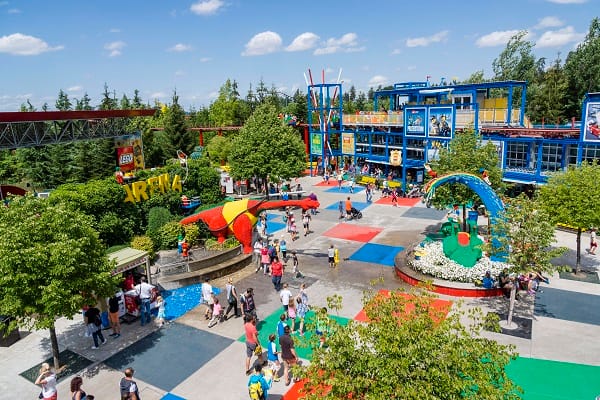
Lego expanded its physical footprint by acquiring 29 Lego and Legoland Discovery Centres from Merlin Entertainments, venues that attract roughly 5 million visitors annually, funded in part by a 1.9 billion Danish kroner investment.
5
The Smart Play platform is being rolled out to add sensors to sets, enabling movement response, sound, and light-up features to enhance interactive play.
Lego just reported a 21% jump in first-half revenue to 41.9 billion Danish kroner (£4.8 billion), with net profit climbing 32% Insider Media. The Danish toy giant credits World Cup football sets, the K-Pop Demon Hunters line, and partnerships with franchises like Formula One, Pokemon, and Star Wars for driving the surge across global markets.
Beyond new product launches, Lego is investing heavily in expansion — from a new Virginia factory opening by 2027 to acquiring 29 Legoland venues that draw 5 million visitors yearly London Loves Business. The company is also rolling out Smart Play sensors to make sets interactive, and installing 160,000 solar panels at its Danish headquarters to power sustainability goals.
Pop Culture Franchises Drive New Customer Growth
Lego launched over 330 new sets in the first half, leaning heavily on blockbuster brands. World Cup football ranges, Formula One cars, and Pokemon interactive bricks all contributed to the revenue bump Lowestoft Journal. The K-Pop Demon Hunters line proved especially popular with girls, opening up new customer segments the company had previously struggled to reach.
The company also expanded into adult-focused products — the "kidults" segment Insider Media. Star Wars, Fortnite-related builds, and botanical-themed sets appeal to older buyers willing to spend more per purchase. This product diversity helped offset seasonal shifts and kept revenue steady across all regions.
Smart Play and Digital Integration Enter Brick Building
Lego is bridging the gap between physical and digital play with its new Smart Play platform. The system adds sensors to sets that respond to movement, light up on cue, and sync with sound effects London Loves Business. Pokemon-branded sets are the first to use these interactive bricks, signaling a shift beyond traditional brick-stacking.
The rollout also ties into Lego's Epic Games collaboration, which blends gaming with tangible building. This tech-forward approach appeals to younger players raised on video games who might otherwise skip traditional toys. Operating profit rose 22% partly due to these premium-priced interactive sets.
Massive Factory and Acquisition Push Expands Global Reach
Lego is betting big on physical capacity. A new U.S. factory and distribution center in Virginia will open by mid-2027, cutting shipping costs and delivery times to North American customers Insider Media. The company also acquired 29 Lego and Legoland Discovery Centres from Merlin Entertainments, venues that together attract roughly 5 million visitors annually, funded by a 1.9 billion Danish kroner investment.
These moves position Lego closer to its biggest markets and create new revenue streams through experiential venues. Cash flow remained robust enough to fund both expansions and acquisitions simultaneously. The company is also installing its largest-ever solar array at its Billund headquarters — 160,000 panels generating around 99 GWh yearly to meet local electricity needs.
Oil Prices Squeeze Costs But Efficiency Gains Hold Ground
Rising oil prices push up plastic costs, a major headwind for Lego. Yet the company managed impact through material mix innovations and operational efficiency gains Insider Media. Sustainability efforts — like shifting to paper-based packaging — helped offset some inflationary pressure while building brand loyalty among eco-conscious families.
The 22% jump in operating profit shows Lego held price discipline without losing customers. Diversifying into renewables, reducing waste, and automating factories all contributed to margin strength. Moving forward, the Virginia factory and solar investments should further buffer the company against future commodity shocks.
Sentiment
Mostly PositiveNEGATIVENEUTRALPOSITIVE
Publishers
25
Articles
158
Reach
183
A
AnonymousAuthor


