UK Inflation Reaches 3.1%
UK Annual Inflation Rises to Five-Month High of 3.1% Ahead of Bank Decision
Anonymous
Key Points
1
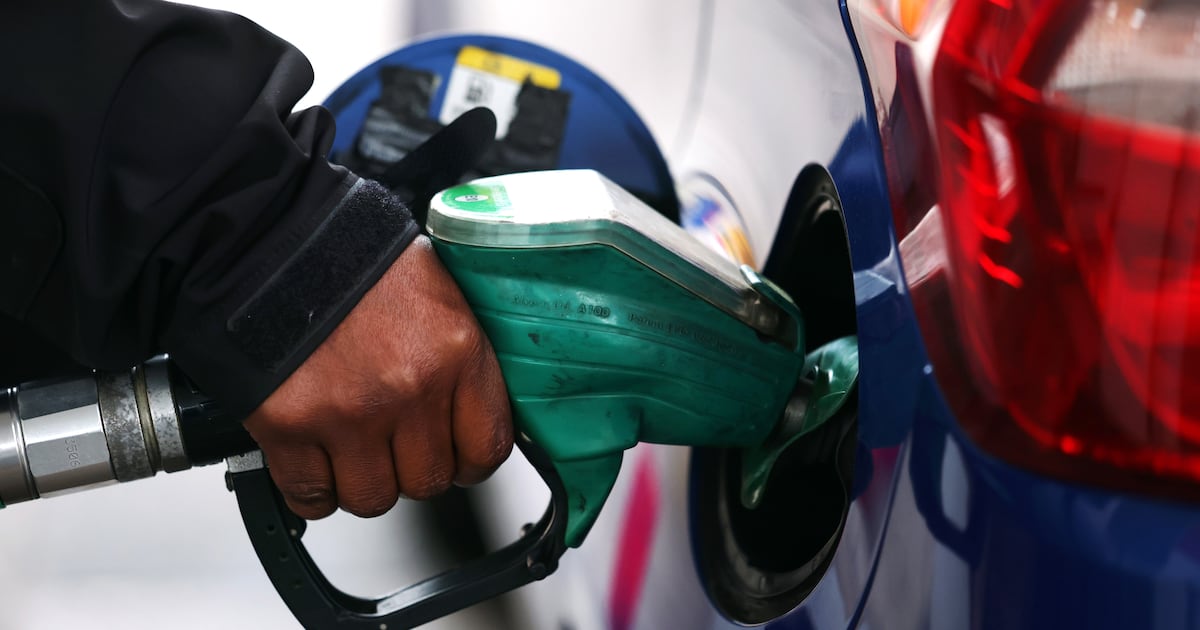
Petrol prices increased by 9.1 pence per litre to 161.3 pence, while diesel rose by 14.2 pence to 181.8 pence; motor-fuel inflation consequently accelerated to 23.0% from 15.5%.
2
Regular pay excluding bonuses reached £705 per week in the three months to July 2026, with public-sector wage growth edging up to 6.3% while private-sector pay growth remained at 2.9%.
3
Pay growth varied considerably by industry: wages rose 3.8% in services, 3.1% in wholesale, retail, hotels and restaurants, 2.9% in manufacturing, 2.7% in finance and business services, and just 0.3% in construction.
4
The 3.1% inflation reading was the highest since March 2026, according to the Office for National Statistics, and came a day before the Bank of England’s interest-rate announcement.
UK inflation jumped to 3.1% in August 2026, its highest level in five months, Trading Economics reported. The increase from 2.9% in July outpaced the Bank of England's earlier forecast of 2.8%, complicating the central bank's efforts to bring prices back to its 2% target ahead of an imminent interest-rate decision.
Motor fuel prices drove the surge, with petrol climbing 9.1 pence per litre to 161.3 pence and diesel jumping 14.2 pence to 181.8 pence. Transport inflation accelerated sharply to 4.6%, while housing and household services also quickened to 4.9%. Food inflation held steady at a modest 1.3%.
Petrol and Diesel Push Transport Costs Higher
Fuel prices were the primary culprit behind August's inflation spike. Motor-fuel inflation surged to 23.0% from 15.5% the previous month, according to Trading Economics, as both petrol and diesel prices climbed sharply at the pump. Transport inflation, the broader category that includes fuel, rose to 4.6%, making it one of the hottest segments in the consumer price basket.
Core Inflation Stays Steady While Services Heat Up
Not all inflation measures accelerated equally. Core inflation, which strips out volatile energy and food prices, remained flat at 2.6%, suggesting underlying price pressures remain contained. Services inflation, however, stayed elevated at 3.4%, reflecting persistent wage pressures and strong demand in that sector.
Wage Growth Outpaces Real Pay Gains Across Sectors
Regular pay excluding bonuses grew 3.5% annually in the three months through July, reaching £705 per week. Yet when adjusted for inflation, real wage growth was just 0.6%, Trading Economics noted, meaning workers gained little ground in purchasing power. Public-sector wages rose faster at 6.3%, while private-sector pay climbed only 2.9%.
Pay growth varied sharply by industry. Services sector wages rose 3.8%, wholesale and retail climbed 3.1%, and manufacturing gained 2.9%. Finance and business services lagged at 2.7%, while construction barely budged at just 0.3% annually, revealing uneven wage recovery across the UK economy.
Bank of England Faces Tougher Inflation Headwinds
The 3.1% reading arrives just one day before the Bank of England's interest-rate announcement, putting fresh pressure on policymakers. The inflation surprise—exceeding the central bank's 2.8% forecast—signals that price pressures remain sticky despite earlier rate cuts. Officials must now weigh whether stalling rate cuts or pausing them entirely is necessary to avoid reigniting inflation expectations.
Sentiment
Mostly PositiveNEGATIVENEUTRALPOSITIVE
Publishers
24
Articles
58
Reach
82
A
AnonymousAuthor


