New 24-race F1 calendar
Formula 1 Announces 24-Race 2027 Calendar Featuring Expanded Sprints and Returning Circuits
Anonymous
Key Points
1
Pre-season testing for the 2027 championship is scheduled to take place at Bahrain International Circuit from February 24 to 27, ahead of the season-opening Bahrain Grand Prix.
2
Formula 1 said Sprint weekends have generated 12% more total viewership than non-Sprint weekends; 82% of attendees say the format adds value to their tickets, while 75% of fans say Sprint events add value to the season calendar.
3
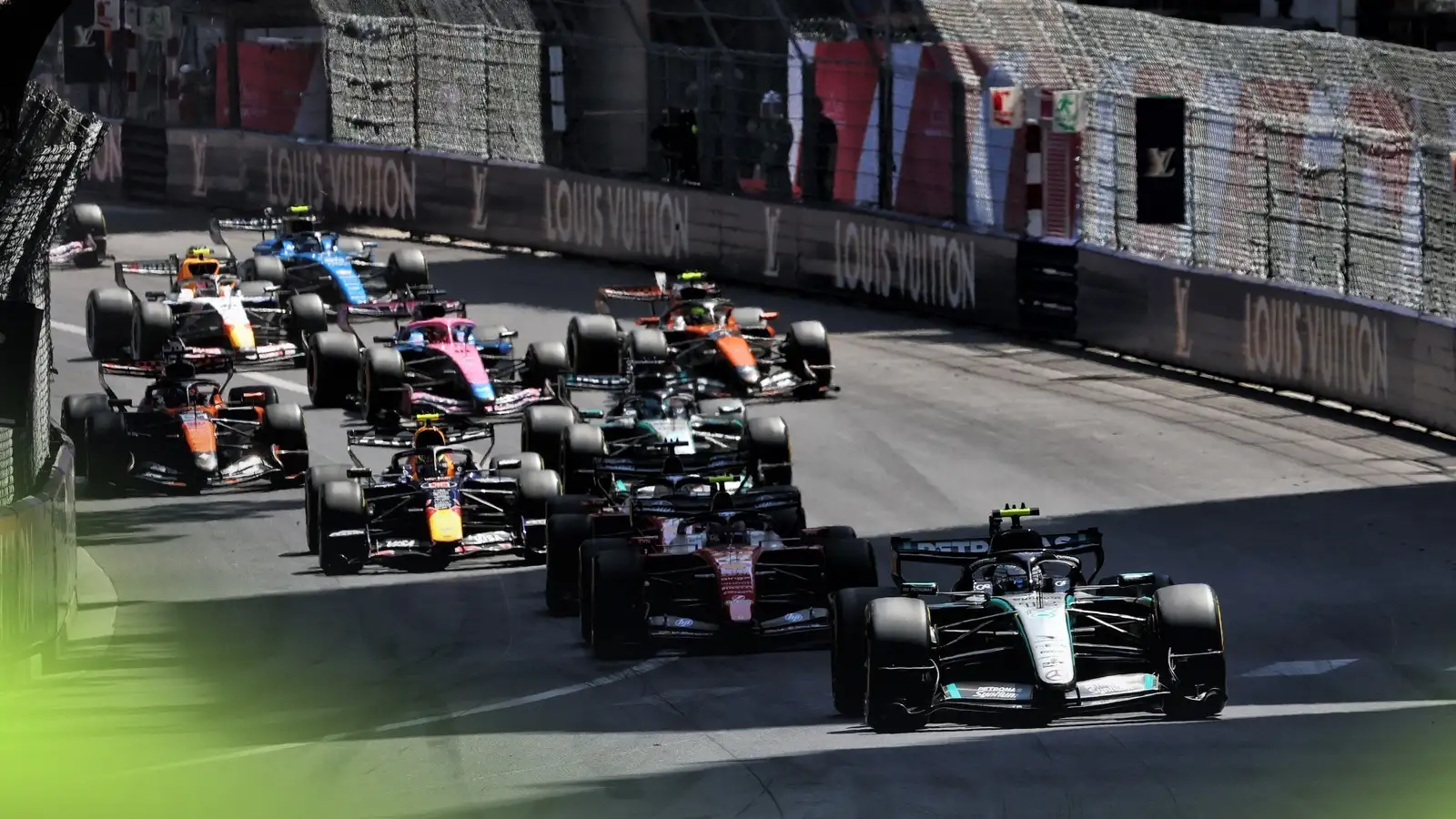
Monaco’s Sprint weekend is expected to include two qualifying sessions—one on Friday and another on Saturday—emphasising the circuit’s qualifying spectacle despite its limited overtaking opportunities.
4
The Canadian Grand Prix is scheduled for May 23, a date chosen so that it will not clash with the IndyCar Indianapolis 500; Miami and Montreal will remain three weeks apart.
5
Formula 1 described the calendar’s geographical sequencing as part of its long-term sustainability goals, citing a more efficient flow of events between regions across the season.
Formula 1 confirmed its 2027 calendar on Tuesday with 24 races across 22 countries, keeping all four Middle East events in the schedule. The season opens March 14 in Bahrain and closes in Abu Dhabi in December, according to The Hindu Sportstar. A record 10 Sprint races will run that year, up from six currently, with Bahrain, Australia, Japan, Monaco and Abu Dhabi hosting them for the first time.
Portugal and Turkey return to the calendar after previous absences, while the Dutch Grand Prix is dropped and Belgium and Spain will alternate years. Formula 1 said the expanded schedule and Sprint events aim to boost global viewership and fan value. Internal data shows Sprint weekends draw 12% more viewers than regular race weekends, and 82% of race attendees say the format adds value to their tickets.
Record Sprint Expansion Reshapes Race Weekend Format
The 10 Sprint races represent a dramatic jump from the current six. Monaco's inaugural Sprint will feature two qualifying sessions—one Friday, one Saturday—to maximize the circuit's qualifying spectacle despite limited overtaking. Abu Dhabi's unique 100-kilometer Sprint requires no mandatory pit stops before qualifying Saturday and the main race Sunday, according to Dive Bomb.
Formula 1 reported 75% of fans say Sprint events add value to the season calendar. The format generates increased broadcast engagement, with qualifying sessions attracting three times more viewers than traditional practice sessions. This aggressive expansion aims to deliver three days of competitive action at more than 40% of all race weekends.
Middle East Dominance Continues Despite Regional Tensions
Bahrain, Saudi Arabia, Qatar, and Abu Dhabi remain locked into the 2027 calendar, with Bahrain hosting the season opener on March 14. Pitpass confirmed pre-season testing runs February 24-27 at Bahrain International Circuit. This commitment comes after 2026 calendar disruptions when Middle East conflicts forced the cancellation of Bahrain and Saudi Arabia races, with Bahrain temporarily moving to Malaysia.
The geographic clustering of Middle East races at the start and finish of the season reflects Formula 1's long-term sustainability strategy. Grouping events by region reduces travel logistics and supports the sport's Net-Zero Carbon goal by 2030. However, industry analysts note the schedule contains contingency plans should geopolitical tensions prevent the March opening leg.
Europe Loses a Track While Portugal and Turkey Make Comeback
The Dutch Grand Prix at Zandvoort is removed from the calendar, marking a reversal of its 2021 return. Portugal's Portimão circuit and Turkey's Istanbul Park both rejoin the schedule after previous absences. Belgium and Spain will alternate years rather than both hosting annually, creating rotating European hosting duties across the championship.
The Canadian Grand Prix stays fixed at May 23 to avoid clashing with the IndyCar Indianapolis 500. Miami and Montreal remain three weeks apart on the calendar. Formula 1 described this sequencing as part of its strategic push for a more efficient event flow between regions throughout the season.
Mixed Reception to Monaco's Sprint Format Innovation
PlanetF1 reported that Monaco's first-ever Sprint weekend sparked debate among fans and analysts. Critics argue that Monaco's tight street circuit produces processional racing with few overtaking opportunities. However, motorsport commentators call the dual qualifying sessions a "genius" solution, saying two high-stakes qualifying periods create drama where normal racing cannot.
Express noted the decision represents a major shake-up for the legendary Grand Prix. The Sprint format adds urgency and competitive drama across three days, compensating for the circuit's inherent lack of overtaking. F1 believes this format addresses one of the sport's most famous criticisms: that Monaco races are often decided on lap one.
Sentiment
Mostly PositiveNEGATIVENEUTRALPOSITIVE
Publishers
99
Articles
104
Reach
203
A
AnonymousAuthor


