Persian Gulf Maritime Crisis
Shipping Incidents Escalate Near Strait of Hormuz Amid Rising Regional Tensions
Anonymous
Key Points
1
Iran’s state-run IRNA quoted the governor of Qeshm as blaming a “terrorist enemy” for the attack on the Iranian commercial vessel; the United States had not publicly commented, and CNN said it had sought comment from U.S. Central Command.
2
The reported Iranian vessel attack occurred near Qeshm Island, about 14 miles from the Iranian port city of Bandar Abbas—an area described as important to Iran’s efforts to control traffic through the Strait of Hormuz.
3
Before the conflict, roughly 20 million barrels of oil passed through the Strait of Hormuz each day, underscoring the potential global energy impact of the sharp decline in traffic.
4
India’s 173 seafarers currently in the Persian Gulf are aboard six Indian-flagged vessels and eight foreign-flagged vessels of Indian interest; 10 vessels, including India-bound foreign-flagged ships, have been identified for possible evacuation.
5
Bahrain said it would not attend the expected Oman meeting on maritime traffic, while the participation of other Gulf countries remained unclear.
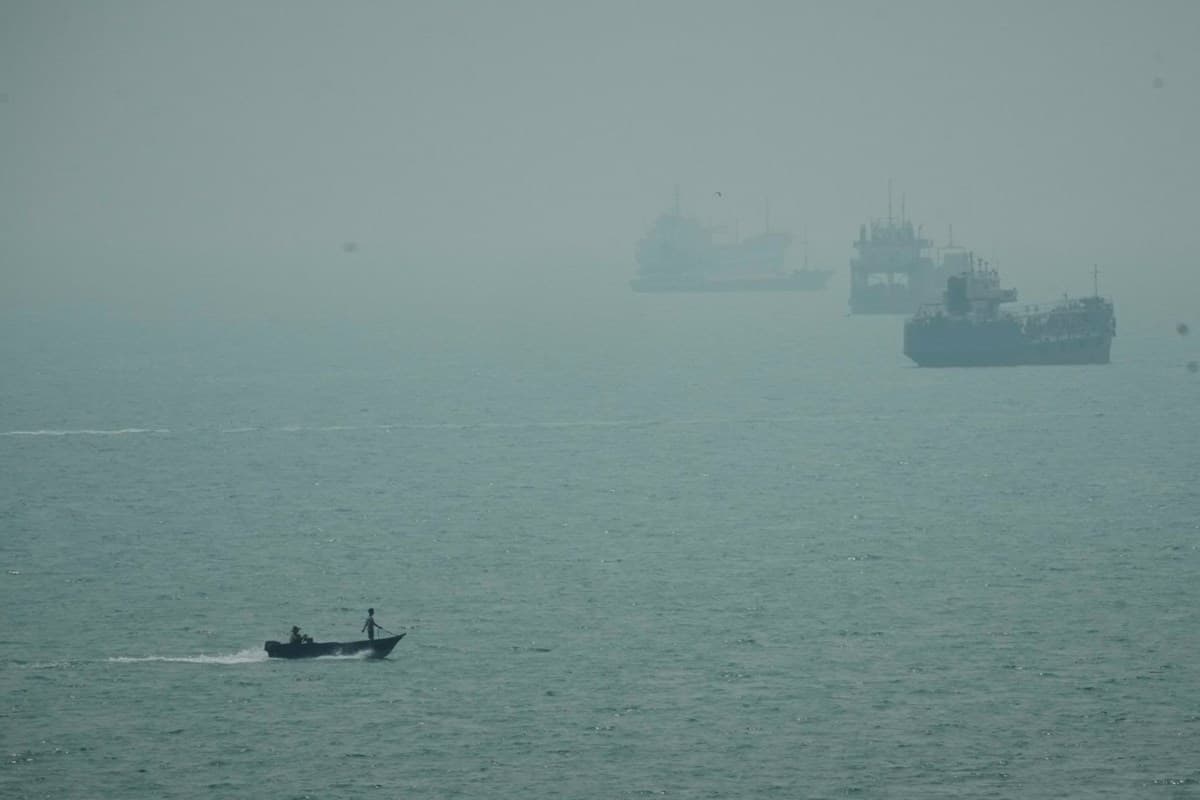
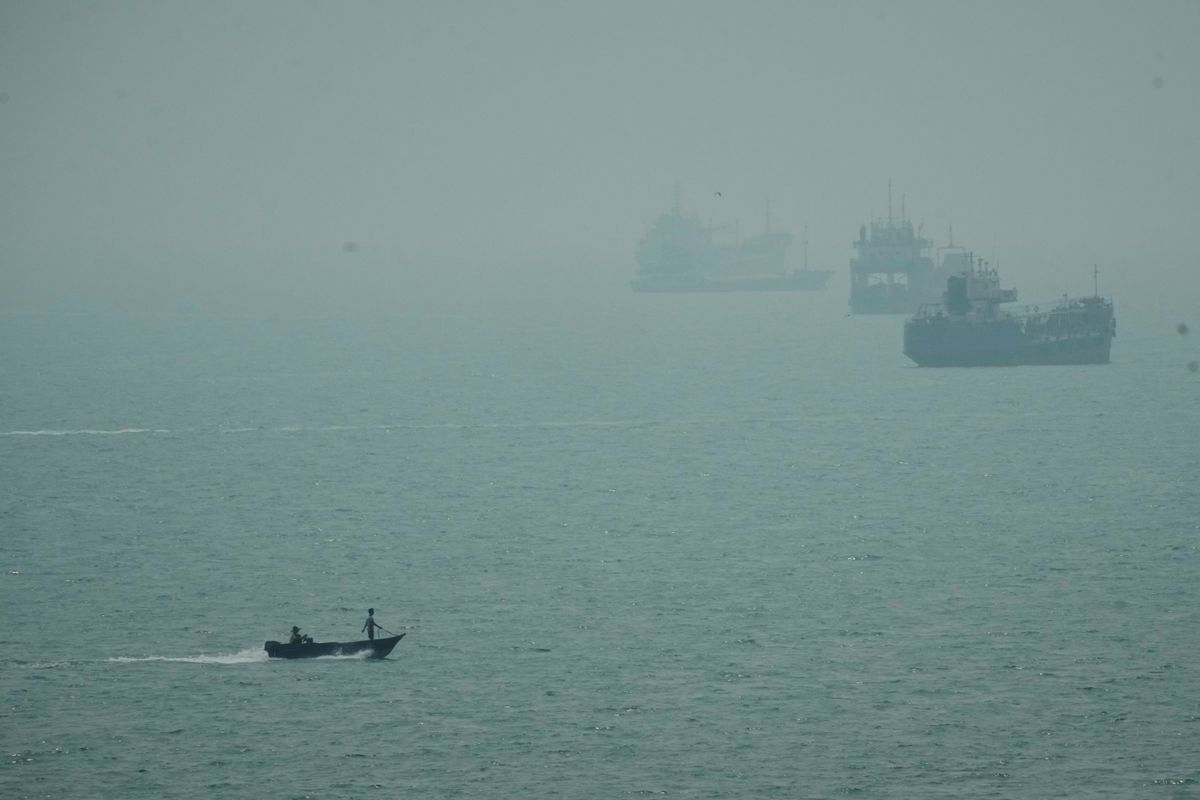
A commercial vessel was struck near Qeshm Island in the Strait of Hormuz, killing one person and injuring four, according to Iranian state media. The attack is the latest in a series of shipping incidents that have escalated tensions in one of the world's most critical oil routes. Three foreign-flagged vessels carrying Indian crews were also attacked or hit on September 8 and 9, with all 44 crew members reportedly safe.
The incidents underscore mounting risks for commercial shipping as traffic through the Strait has collapsed to just 10% of prewar levels—down from roughly 20 million barrels of oil daily. Indian authorities report 173 Indian seafarers remain aboard 14 vessels in the Persian Gulf west of Hormuz, with 10 vessels identified for possible evacuation.
Three Foreign Vessels Hit in Gulf Waters
The Zimbabwe-flagged tanker Riesco was reportedly struck by U.S. naval forces after its 21 Indian crew members evacuated to an Iranian port. The Palau-flagged LPG carrier Horizon 1 was attacked near Khor Fakkan, with all 16 crew members rescued. The Liberian-flagged tanker Mersin Prosperity was struck by a projectile near Fujairah, with its seven Indian crew members confirmed safe, according to CNN.
Since the conflict began, authorities have recorded incidents involving four Indian-flagged vessels and 50 foreign-flagged vessels carrying Indian crew members. These incidents have left nine seafarers dead, 12 injured, and one presumed dead. The attacks highlight how flag-of-convenience registrations complicate responsibility, as the vessels flew different national flags while carrying predominantly Indian crews.
Traffic Plummets Through World's Critical Oil Gateway
Before the conflict, approximately 20 million barrels of oil passed through the Strait of Hormuz daily. The reported 90% decline in traffic now threatens global energy markets by constraining regional exports, raising freight and insurance costs, and amplifying price volatility. CNN reported that a separate vessel caught fire after being hit by an unidentified projectile amid the escalating tensions.
The sharp reduction in shipping activity extends beyond oil to include LPG carriers and other commercial vessels. Even without a formal closure of the Strait, the reduced traffic poses significant risks to global energy supplies and commercial shipping routes that are vital to international trade.
Diplomatic Efforts Uncertain as Tensions Mount
Regional diplomats are expected to meet in Oman to discuss maritime traffic, but attendance remains uncertain. Bahrain said it would not attend the meeting, while the participation of other Gulf countries remained unclear at the time of reporting. Iranian state media quoted the governor of Qeshm as blaming a 'terrorist enemy' for the attack on the Iranian commercial vessel.
The U.S. Central Command had not publicly commented on the incidents as of reporting time, according to CNN, which said it sought comment from the military command. The lack of clear attribution and official responses reflects the complex diplomatic environment surrounding the escalating shipping incidents in the Persian Gulf.
Sentiment
Mostly NegativeNEGATIVENEUTRALPOSITIVE
Publishers
23
Articles
57
Reach
80
A
AnonymousAuthor