UCLA 9/11 Event Backlash
UCLA Hosts 9/11 Anniversary Event Featuring Controversial Counterterrorism Remarks
Anonymous
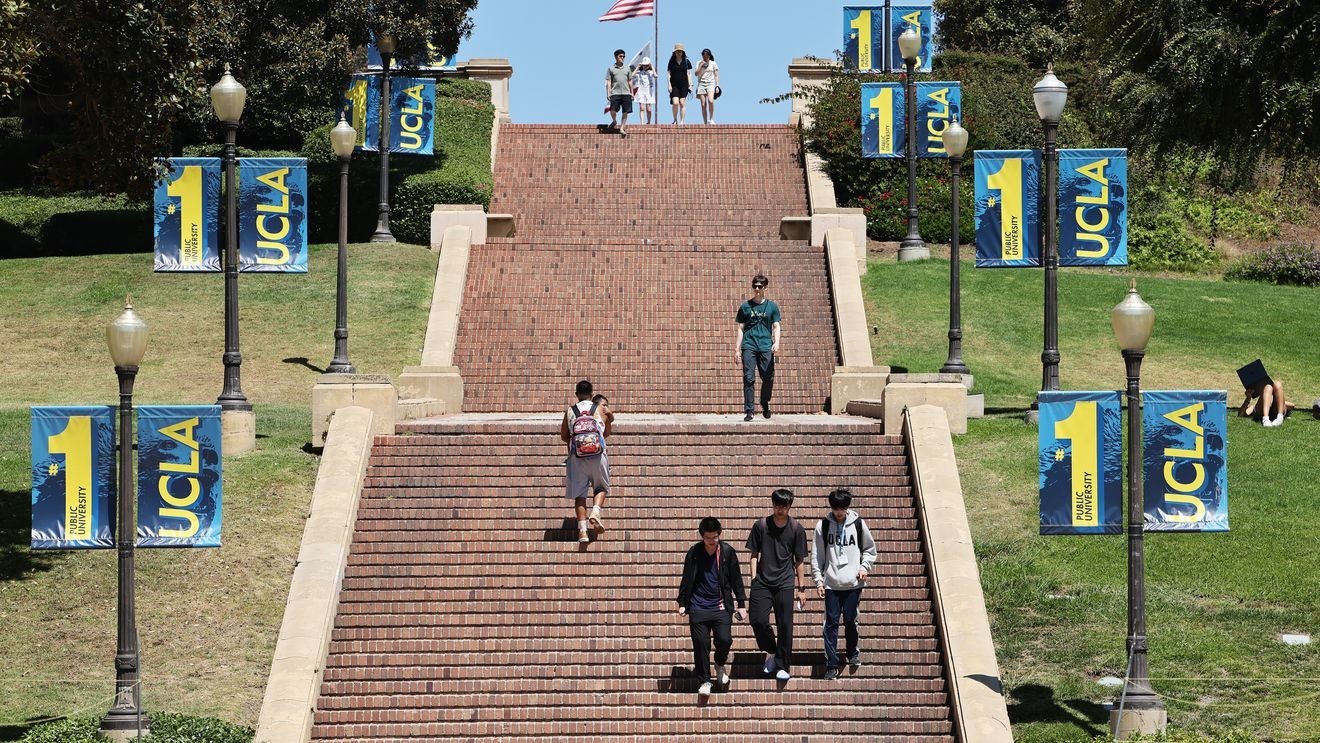
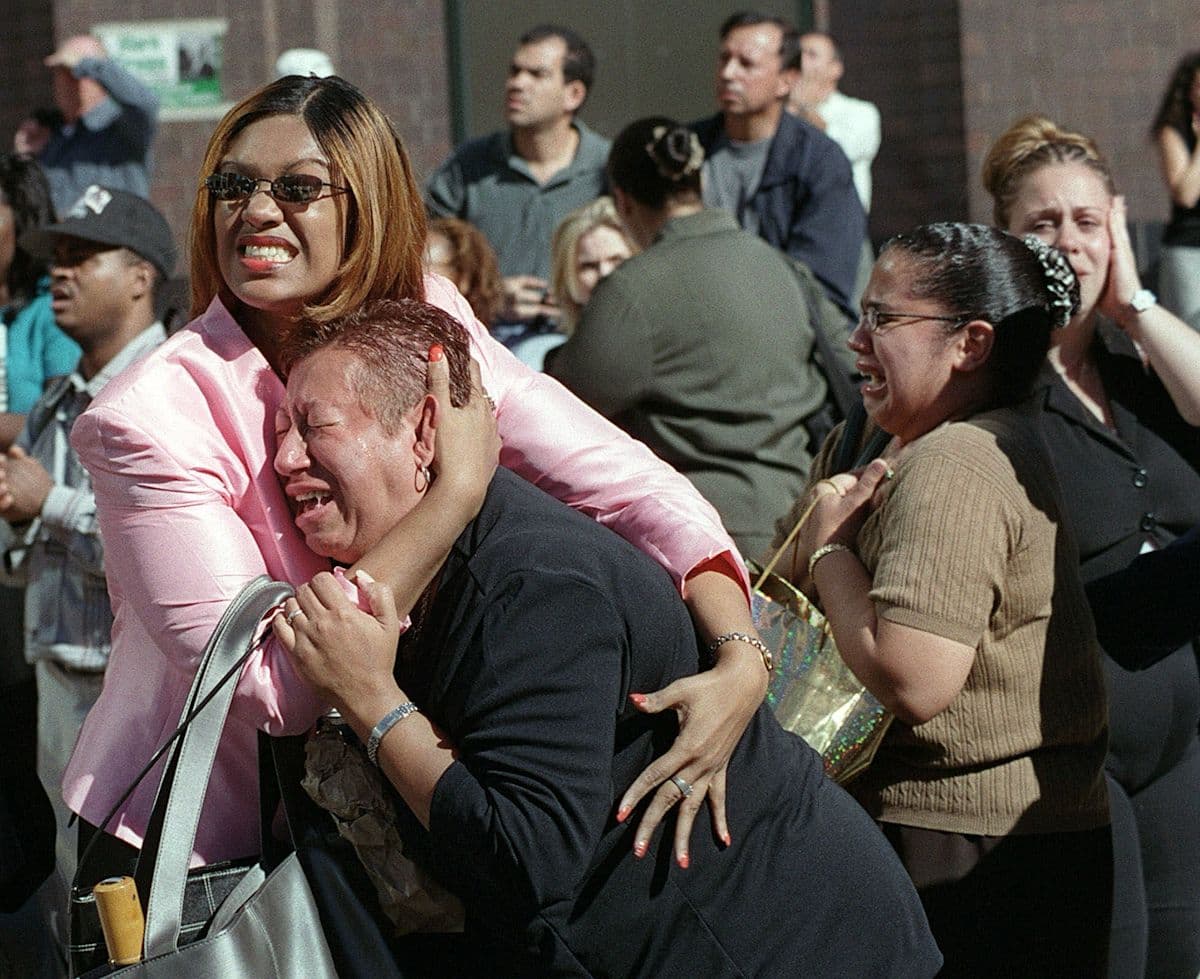
UCLA held a 25th anniversary event for 9/11 that drew immediate backlash after organizers invited Yale professor Asl Ü. Bâli, who once called U.S. counterterrorism a "racist gravy train." CBS Austin reported that Bâli previously claimed the security system incentivizes law enforcement to paint minority communities and dissidents as terrorism threats. Survivors and victims' families criticized the university for platforming such views at a memorial event.
The controversy highlights sharp disagreement over how to discuss counterterrorism policy at a solemn anniversary. WGME noted that 9/11 survivors and family members felt the event pointed fingers at victims rather than honoring them. The university's choice to host Bâli sparked immediate pushback from those whose relatives died in the attacks.
Who Is the Controversial Speaker?
Asl Ü. Bâli is a law professor at Yale University who studies terrorism and national security. Idaho News reported that Bâli has made strong critiques of how America frames its fight against terrorism. His past statements label the counterterrorism system as biased against certain groups. This academic perspective puts him at odds with many who view 9/11 remembrance as apolitical.
What Did Bâli Say About Counterterrorism?
Bâli described U.S. counterterrorism efforts as a "racist gravy train," according to News4 San Antonio. He argued that the system creates financial incentives for law enforcement to label minority communities as breeding grounds for terrorism. These comments suggest he sees national security policy as unfairly targeting specific populations. The framing is provocative and clashes sharply with traditional 9/11 commemoration.
How Did Survivors and Families React?
9/11 survivors and victims' families expressed anger at UCLA's decision to host the event. WCHSTV reported they felt the university was diverting focus from honoring the dead to criticize U.S. policy. Many attendees believed the academic discussion overshadowed the solemn purpose of a 25th anniversary memorial. The backlash forced a conversation about what topics belong at remembrance events and who should be invited to speak.
Why UCLA Faces a Difficult Balance
Universities walk a fine line between honoring historical events and enabling open debate on policy. WWMT noted the tension between free speech and respecting victims. Some argue that examining counterterrorism critiques is valid academic work. Others contend that 9/11 anniversaries should remain spaces of remembrance, not platforms for political argument. UCLA's choice to invite Bâli forced that conflict into the open.
Sentiment
NeutralNEGATIVENEUTRALPOSITIVE
Publishers
10
Articles
9
Reach
10
A
AnonymousAuthor