Defense Deal And Warnings
Netanyahu Faces Mounting Pressure Over Pre-Attack Warnings Amid Major Greek Defense Deal
Anonymous
Key Points
1
Greece’s Achilles Shield program will allocate more than 25% of its value—about €750 million—to Greece’s defense and technology sector, with 19 Greek companies already involved and a domestic production base intended to support future exports.
2
The agreement also includes a separate €26 million deal for Rafael’s Drone Dome system to protect strategic sites, expanding the cooperation beyond the main air-defense network.
3
The planned Israeli architecture combines David’s Sling, SPYDER and BARAK MX missile defenses with Israeli MMR radars and a national command-and-control system intended to integrate the different layers.
4
The account of warnings before Oct. 7 includes specific alleged alerts from UAE President Sheikh Mohamed bin Zayed, Fatah intermediary “Coal Eyes,” Egyptian intelligence chief Abbas Kamel and CIA Director William Burns; one reported message described Gaza as “about to explode.”
5
According to the cited account, Netanyahu’s office rejected the report about the call with Mohamed bin Zayed as “a complete lie,” while opposition figures including Naftali Bennett demanded disclosure of what Netanyahu knew and when, along with a state inquiry.
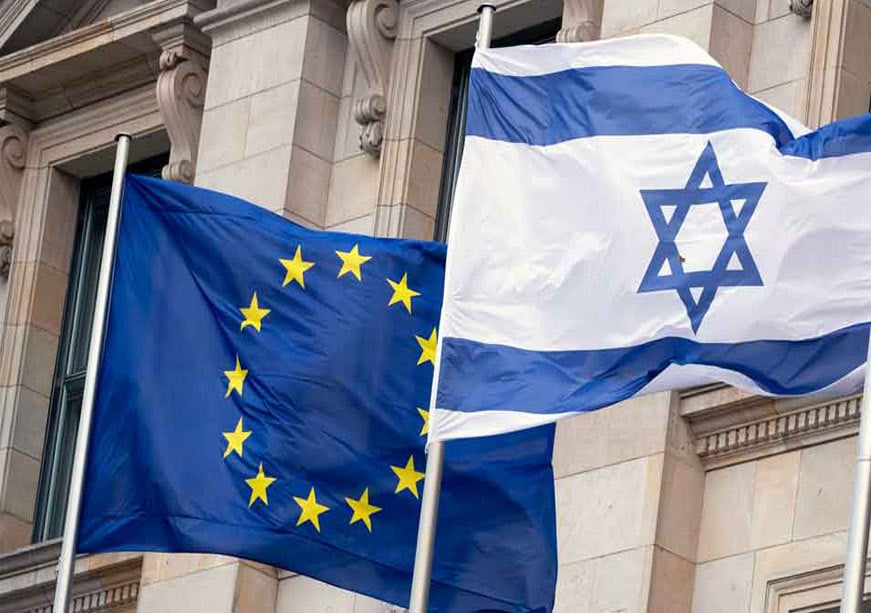
Israel signed a landmark €3 billion air-defense deal with Greece on August 31, 2026, underscoring its continued strategic value to European partners despite tensions over the Gaza war. The 'Achilles Shield' program pairs Israeli missile systems with Greek production capacity and represents a major win for Netanyahu's government—but comes as new reports allege the Prime Minister ignored specific warnings before the October 7, 2023 Hamas attack. Times of Israel reported that senior Israeli officials are now demanding an official inquiry into what Netanyahu knew.
The dual narrative—a multibillion-dollar defense export alongside damaging revelations about pre-attack intelligence failures—captures Netanyahu's precarious political position. His office rejected allegations of ignored warnings as "a complete lie," but opposition figures including former Prime Minister Naftali Bennett are calling for full transparency and formal accountability on what Netanyahu received and when he received it.
Greece Locks in Largest Israeli Defense Deal Ever
The Achilles Shield contract, signed August 31, integrates Israeli radar, missile and command systems into a unified national air-defense network. According to i24NEWS, the deal includes Rafael's David's Sling and SPYDER missiles, IAI's BARAK MX system, and Israeli MMR radars—plus a separate €26 million order for Rafael's Drone Dome counter-UAV technology. The 35-month implementation timeline will modernize Greece's defenses amid escalating tensions with Turkey and regional drone threats.
Greece allocates more than €750 million—roughly 25% of the contract—to its domestic defense sector, with 19 local companies already involved in production and future export development. Breaking Defense quoted Greek Defense Minister Nikos Dendias calling Achilles Shield "an imperative response to the geopolitical and technological challenges of our time." The deal anchors Israel as a top-tier defense supplier even as political pressure mounts over Gaza.
Netanyahu Faces New Allegations Over Pre-October 7 Warnings
In early September 2026, Haaretz and the investigative book *Hostages: 843 Days of Abandonment* published detailed accounts of intelligence alerts that Netanyahu received before the October 7 attack. Eurasia Review reported that UAE President Sheikh Mohamed bin Zayed held a 45-minute secure call warning Netanyahu that Gaza was "about to explode" and recommending economic solutions. CIA Director William Burns and Egyptian Intelligence Chief Abbas Kamel delivered parallel warnings about escalating volatility.
Netanyahu's office rejected the account of the MBZ call as "a complete lie," insisting security services failed to provide actionable warnings. However, opposition figures are rejecting that denial. Anadolu Agency reported that Naftali Bennett accused Netanyahu of "criminal negligence" and demanded disclosure of all intelligence the Prime Minister received. Hostage advocacy groups and opposition lawmakers are now calling for a state commission of inquiry into pre-attack intelligence failures and government accountability.
How International Support Masks Domestic Outrage
The Greek defense deal showcases Israel's continued appeal to pragmatic security partners—but masks deep public skepticism across Europe. Al Jazeera noted that while Greek officials prioritize security cooperation, 65% of Greek citizens view Israel unfavorably, revealing a stark gap between state strategy and popular opinion. International arms deals depend on military necessity and technological advantage, not political sentiment.
Inside Israel, the contrast is even sharper. Netanyahu's government touts the Achilles Shield as proof of Israel's technological edge and indispensability—yet faces relentless domestic pressure over alleged pre-attack negligence. Political critics argue the Prime Minister prioritized West Bank annexation and political survival over national security. The tension between projecting strength abroad and confronting accountability at home now defines his leadership crisis.
Sentiment
Mostly NegativeNEGATIVENEUTRALPOSITIVE
Publishers
41
Articles
16
Reach
57
A
AnonymousAuthor


