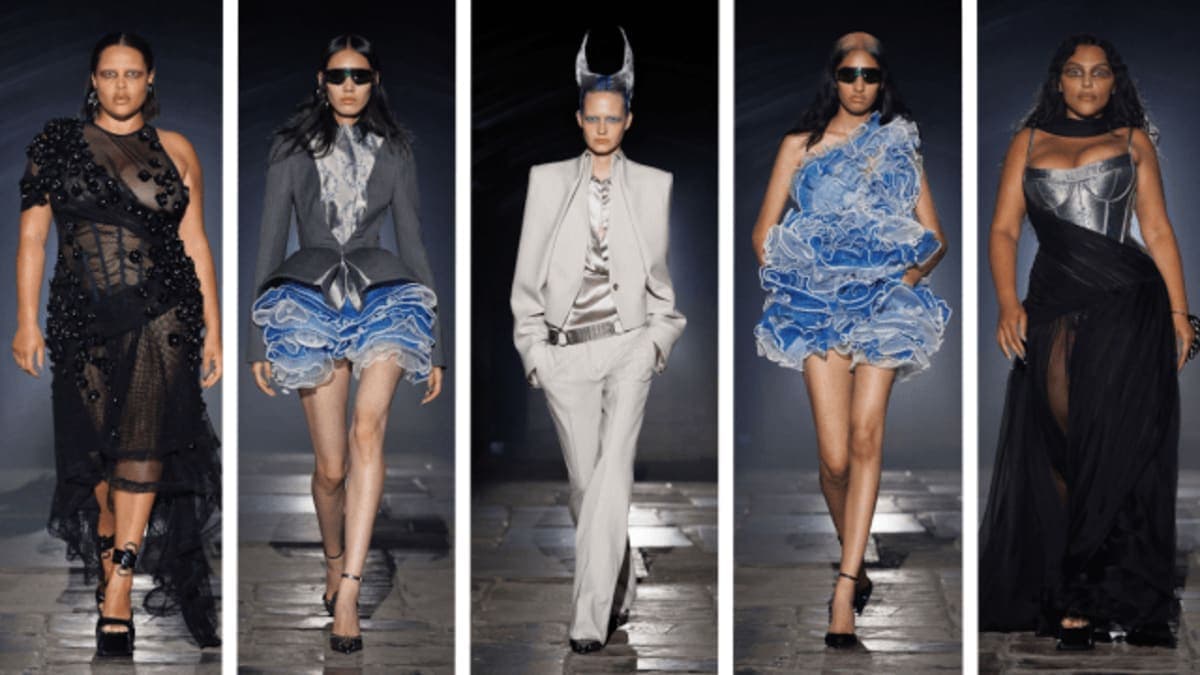
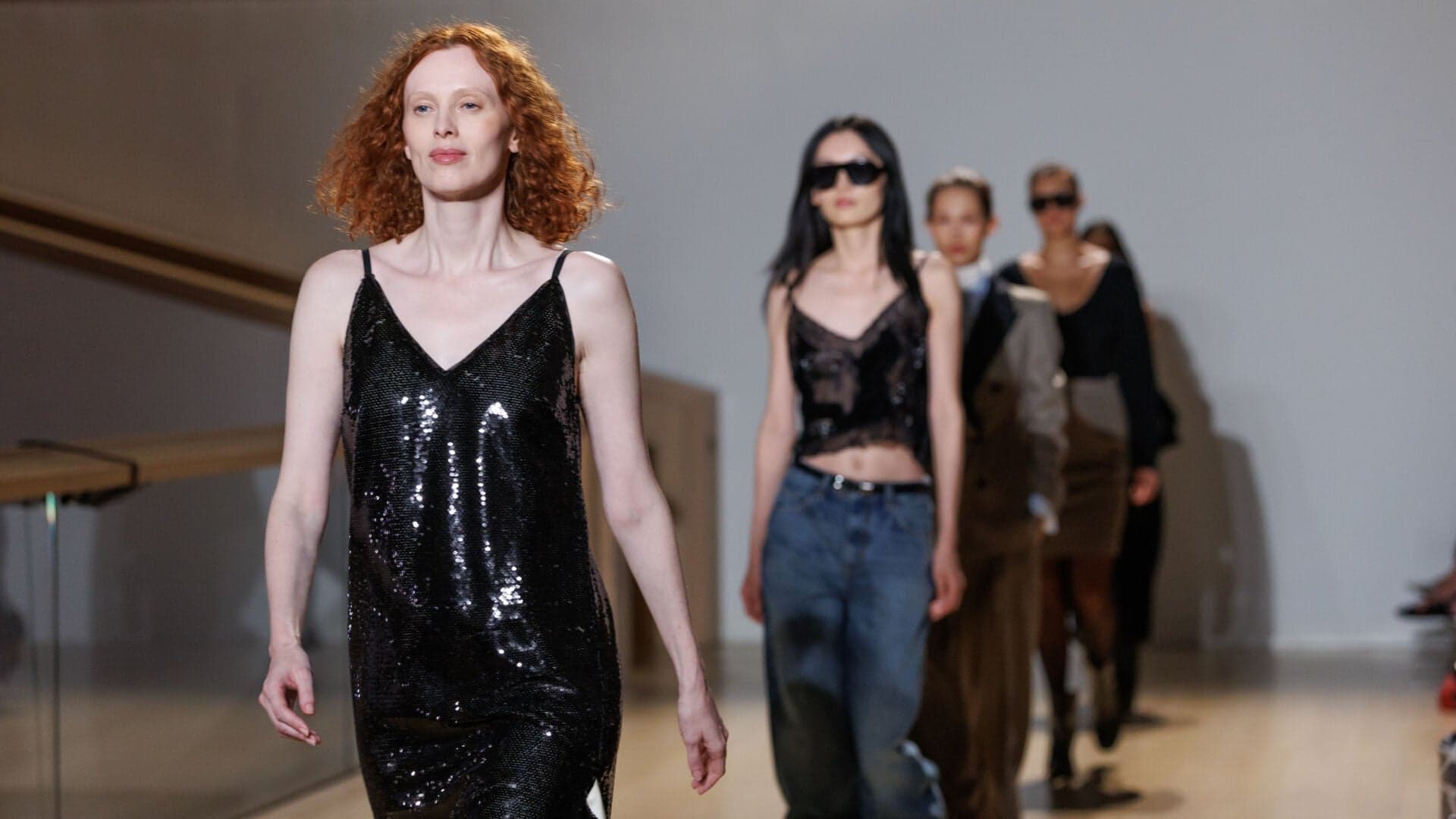
SS27 Fashion Week Highlights
London Fashion Week Spring/Summer Collections Emphasize Emotional Expression, Cultural Heritage, and Vulnerability
Anonymous
Key Points
1
Erdem’s Spring/Summer 2027 collection was presented as a wardrobe designed to move from day to evening, reinforcing the house’s argument that individuality and decorative clothing can remain practical as well as expressive.
2
Erdem’s maximalism was linked not simply to visual excess but to craftsmanship and storytelling, with embroidery, pattern, texture and dramatic silhouettes giving the garments an intentionally emotional quality.
3
Lovebirds’ SS27 collection was created by founders Gursi Singh and Amrita Khanna, who have independently run the brand for about a decade while developing a global design language from Indian roots.
4
The collection’s chintz was altered by hand after block printing: brushstrokes disrupted the repeated motifs, thinning some areas and saturating others to produce an updated version of the historic textile.
5
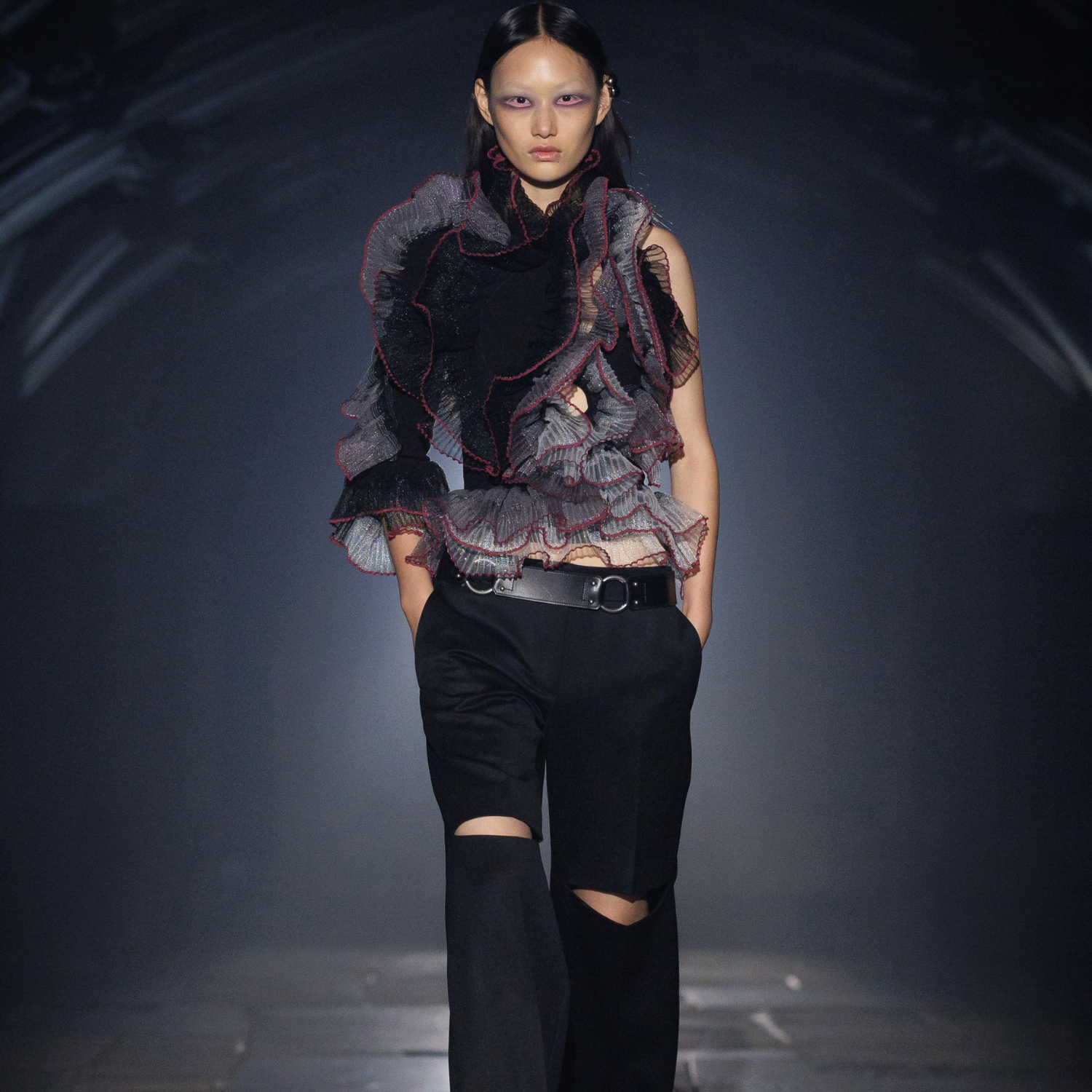
Simone Rocha titled the collection “I Was Trying To Love You” and used the Old Bailey’s association with judgment, guilt, testimony and public scrutiny to frame exposed bodies as objects of scrutiny rather than simply symbols of romance.
London Fashion Week's Spring/Summer 2027 collections rejected minimalism in favor of emotional storytelling, with designers using florals, embroidery, and cultural heritage to express distinctive identities. Forbes noted that established British houses and emerging designers showcased collections that prioritized craftsmanship and personal narratives over understated luxury. From Erdem's romantic maximalism to Lovebirds' Indian-heritage reinterpretation and Simone Rocha's vulnerable exploration of exposure, the week demonstrated fashion as a medium for meaningful expression.
These collections shared a common thread: rejecting the industry's recent preference for simplicity. Instead, designers embraced decorative elements, texture, and cultural memory as tools for storytelling—whether through day-to-evening versatility, hand-worked textiles, or bodies displayed in spaces historically associated with judgment and scrutiny.
Erdem's Romantic Maximalism Merges Emotion With Practicality
Erdem's Spring/Summer 2027 collection proved that decorative, expressive clothing need not sacrifice wearability. Forbes highlighted how the house designed a cohesive wardrobe moving seamlessly from day to evening wear. Florals, embroidery, and dramatic silhouettes weren't mere visual excess. Instead, they functioned as intentional storytelling devices embedded in the garments' construction and emotional quality.
The brand's maximalism centered on craftsmanship—not frivolous ornamentation. Each piece carried pattern, texture, and historical references that reinforced the house's argument: individuality and decorative design can remain practical, wearable, and expressive simultaneously. This approach directly challenged industry trends favoring minimalism and understated luxury.
Lovebirds Reinterprets Indian Heritage Through Contemporary Design
Lovebirds made its London debut with a collection rooted in Indian textile traditions. Founders Gursi Singh and Amrita Khanna have independently developed the brand for roughly a decade, building a global design language from Indian roots. Their Spring/Summer 2027 collection highlighted hand-worked chintz created in collaboration with block-printing artisans, updating a historic textile through contemporary methods.
The chintz underwent manual alteration after block printing, with brushstrokes disrupting repeated motifs. Artisans thinned some areas and saturated others, producing an updated version of a traditional fabric. This approach honored cultural heritage while demonstrating how craftsmanship and innovation could coexist. The collection showed fashion as a bridge between ancestral techniques and modern design sensibilities.
Simone Rocha Explores Vulnerability Within Judgment's Shadow
Simone Rocha titled her collection "I Was Trying To Love You" and presented it at London's Old Bailey—a courthouse steeped in associations with guilt, judgment, and public scrutiny. Hunger Magazine noted the significant return of established creative directors to London Fashion Week's calendar during this period. Rocha stripped back her familiar tulle, lace, and floral "armor," replacing protective layers with sheer fabrics and exposed skin.
By placing exposed bodies within a setting historically defined by judgment and testimony, Rocha reframed vulnerability. Bare skin and visible underwear became objects of scrutiny—not symbols of romance alone. The collection posed a visual question: How does exposure change meaning when viewed in spaces associated with accusation and legal judgment? Rocha's work demonstrated how location and context fundamentally reshape fashion's emotional message.
Sentiment
Mostly PositiveNEGATIVENEUTRALPOSITIVE
Publishers
13
Articles
1
Reach
14
A
AnonymousAuthor