Spring Fashion Trends
Spring 2027 Fashion Weeks in New York and London Showcase Bold Innovations and Historic Milan Celebrations
Anonymous
Key Points
1
New York designers used denim as a laboratory for surface treatments and construction: Ossou showed wood-grain jeans, Luar created wet reptilian finishes, Simkhai added glossy coatings, and Advisry presented horizontal seams, fringe and a dress made from an upside-down jean jacket.
2
The London lingerie trend went beyond exposed bralettes: designers including Agro Studio, Ashley Williams and Erdem placed bras and corsets over clothing, while Knwls, Alexander McQueen and Mowalola left them largely or entirely uncovered.
3
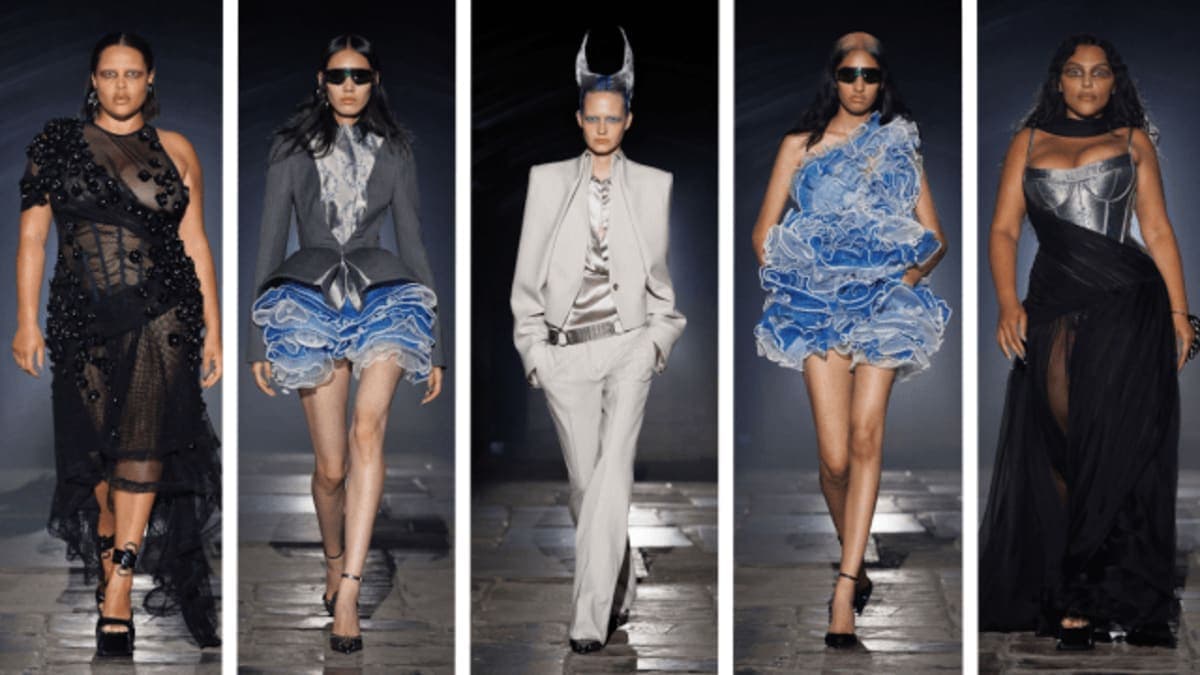
London’s organza revival included metallic-looking pieces at Alexander McQueen and Mulberry, translucent separates at Mowalola and Lovebirds, and sculptural gowns and scarves developed through experimental techniques by Pauline Dujancourt, Susan Fang and Simone Rocha.
4
Vogue World Milan was staged in the historic Galleria Vittorio Emanuele II and included a performance by Alicia Keys singing Donna Summer’s “I Feel Love,” alongside runway appearances by Gigi Hadid, Awar Odhiang and Vittoria Ceretti.
5
The Milan show was organized into six historical themes, including the Renaissance, Industrial Revolution, Patterns and the Age of Intelligence; Cardi B wore a Spring 2018 Versace dress printed with pop-art images of past Vogue covers, while Gigi Hadid opened the show in Valentino haute couture from Alessandro Michele’s Spring 2025 collection.
Spring 2027 fashion weeks in New York and London showcased designers pushing fabric and form in unexpected directions. New York collections transformed denim into a laboratory—wood-grain finishes, reptilian coatings, sculptural seams—while London designers embraced transparency, visible lingerie worn over clothing, and experimental organza treatments AP. Meanwhile, Vogue celebrated Italian craftsmanship at Vogue World Milan, where Gigi Hadid opened the show in a Valentino haute couture gown requiring 1,680 hours of handwork, and Alicia Keys performed as a counterpoint to algorithmic design.
New York's Denim Revolution and Sculptural Silhouettes
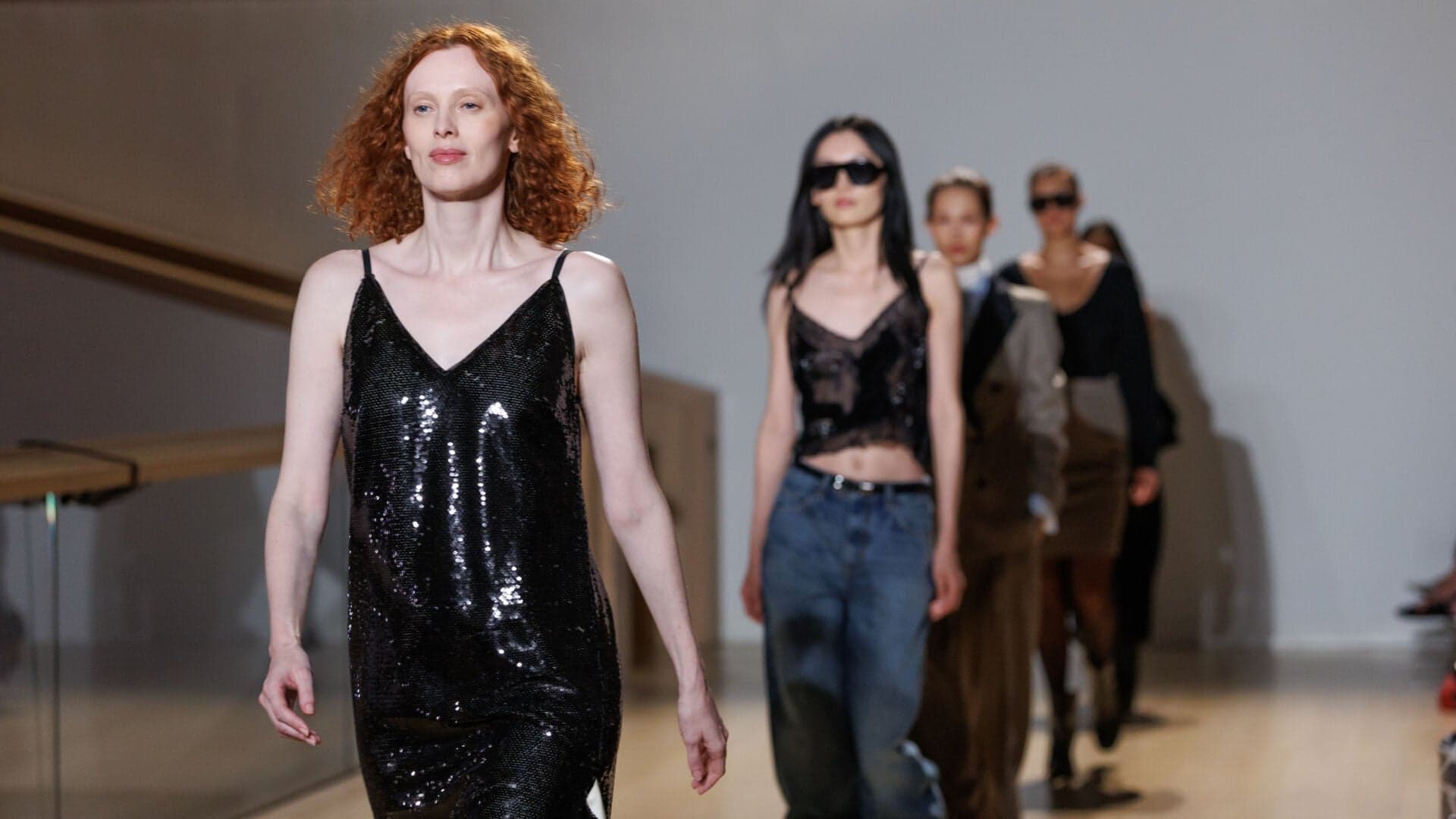
Designers weaponized denim as a surface for experimentation. The Cut noted that Ossou created wood-grain finishes, while Luar developed wet reptilian textures that mimicked animal skin. Simkhai added glossy coatings that caught light, and Advisry deconstructed the jean jacket entirely—building a dress from one flipped upside down, then adding horizontal seams and fringe for texture.
Minimalist styling paired these bold treatments with lime and marigold accents, creating visual tension between restraint and boldness. The color palette signaled a shift away from the neutrals that dominated 2026 toward brighter, more deliberate choices. Transparency appeared frequently, letting skin show through strategically placed cutouts and sheer panels.
London's Visible Lingerie and Organza Experiments
London designers moved lingerie beyond the bralette into unabashed statement-making. Agro Studio, Ashley Williams, and Erdem placed bras and corsets directly over outerwear. Alexander McQueen and Mowalola left them largely or entirely uncovered, making undergarments the focal point rather than the secret layer. Marie Claire reported that this trend reflected a broader cultural shift toward rejecting conventional boundaries between private and public dress.
Organza saw a revival across multiple London ateliers. Alexander McQueen and Mulberry created pieces with metallic finishes, while Mowalola and Lovebirds used translucent organza as sculptural separates. Susan Fang, Pauline Dujancourt, and Simone Rocha developed experimental techniques to manipulate the fabric into three-dimensional forms—gowns and scarves that held their shape without boning or traditional construction.
Milan's Six Centuries of Italian Fashion in One Show
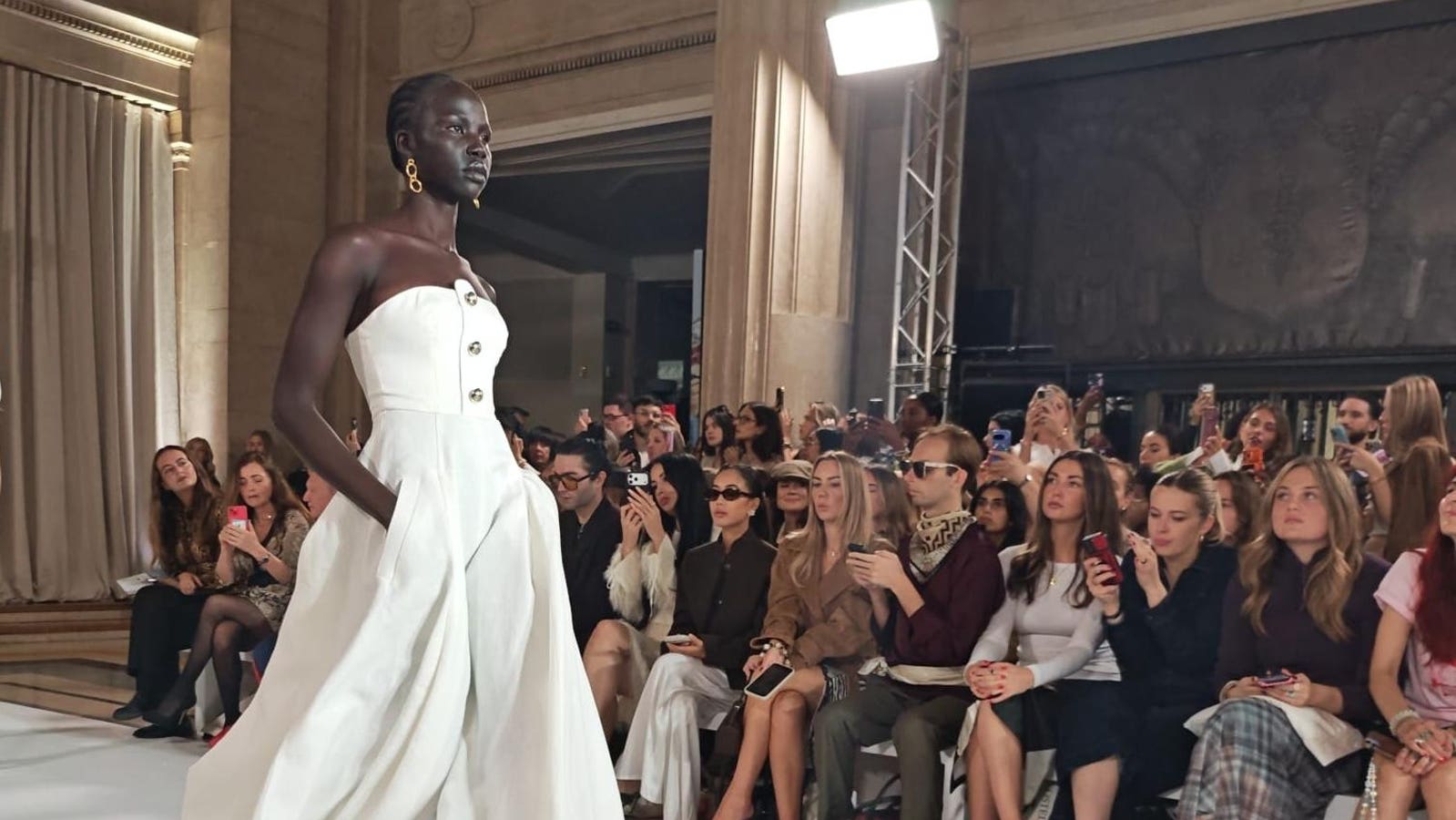
Vogue World Milan transformed the historic Galleria Vittorio Emanuele II into a cathedral of craft. Vogue Italia organized the show around six historical themes—the Renaissance, Industrial Revolution, Patterns, and the Age of Intelligence—contrasting handmade artistry against algorithmic design. Houses including Prada, Armani, Versace, Ferragamo, and Gucci presented both archival pieces and new work, anchoring the narrative in Italy's manufacturing dominance.
Gigi Hadid opened in Valentino haute couture from Alessandro Michele's Spring 2025 collection—a recycled Venetian quilt gown that required 1,680 hours of handwork. Cardi B wore an archival Spring 2018 Versace dress printed with pop-art images of past Vogue covers. Alicia Keys closed the event under the arcade's glass dome, performing Donna Summer's "I Feel Love." AP reported that approximately 50% of the world's luxury apparel and footwear is manufactured directly in Italy.
Fall 2026 Retail Leans Into Polished Practicality
Fashion's upstream shifts quickly reach store shelves. The Handbook noted that fall 2026 retail favors garments that balance utility with refinement: funnel-neck outerwear, crisp denim, boots, cargo pants, and corduroy. Animal prints and paisley add pattern interest, while cherry-red accessories provide a pop of color—bold but grounded in wearability.
This contrasts with pure high-fashion experimentation. While runway denim features wood-grain finishes and reptilian coatings, retail denim emphasizes cut and color over surface treatment. Knits become essential layering pieces. The message from both New York and London is clear: craftsmanship and visible skill matter more than shock value, and clothes must work for real bodies in real life.
Sentiment
Mostly NegativeNEGATIVENEUTRALPOSITIVE
Publishers
32
Articles
33
Reach
65
Topics
A
AnonymousAuthor