Ford US Sales Decline
Ford faces declining US sales and sliding market share amid growing pressure.
Anonymous
Key Points
1
Ford’s planned Fathom electric pickup is expected to launch in early 2027, with preorders listing a base price of $28,350; it will use the company’s next-generation Universal Electric Vehicle platform.
2
Cox Automotive’s figures put Ford’s January–September U.S. sales at 1,505,134 vehicles, behind Toyota’s 15.6% market share and GM’s 16.7%, compared with Ford’s 12.5%.
3
Broader financial pressures may be weighing on Ford: rising Treasury yields and expectations of higher interest rates could make vehicle financing less affordable and raise funding costs for Ford’s captive finance arm.
4
For the Ranger recall, the display defect could leave the rearview-camera image unavailable while reversing; initial owner notifications were due to begin October 5.
Ford's U.S. sales are expected to fall 8.8% through the first three quarters, with the automaker's market share slipping to 12.5%, according to Cox Automotive. The broader U.S. market is forecast to decline just 1.8%, meaning Ford is losing ground faster than competitors. The company reported Q3 sales of 509,764 vehicles, down 6.6% year over year, but managed to hold the No. 3 position ahead of Hyundai by just 1,195 vehicles.
Ford's electric vehicle business is under severe pressure, with EV sales plummeting 80% in Q3 to just 6,047 units, Drive Tesla Canada reported. The automaker is counting on a lower-priced electric pickup called Fathom, launching in early 2027 with a base price of $28,350, plus a new battery-storage business to reverse its fortunes. Recent quality issues add pressure: Ford recalled 11,405 2026 Rangers over a display defect that could prevent rearview-camera images from appearing while reversing.
Why Ford Is Losing Ground Faster Than The Market
Ford's 8.8% decline far outpaces the overall market's 1.8% drop, according to Cox Automotive. This means Ford is losing customers to rivals. Through the first three quarters, Ford sold 1,505,134 vehicles, putting it behind Toyota's 15.6% market share and GM's 16.7%. Rising Treasury yields and expectations of higher interest rates are making vehicle financing less affordable, which hits Ford harder than larger competitors with deeper financial cushions.
Electric Vehicles Cratering While Trucks Remain Strong
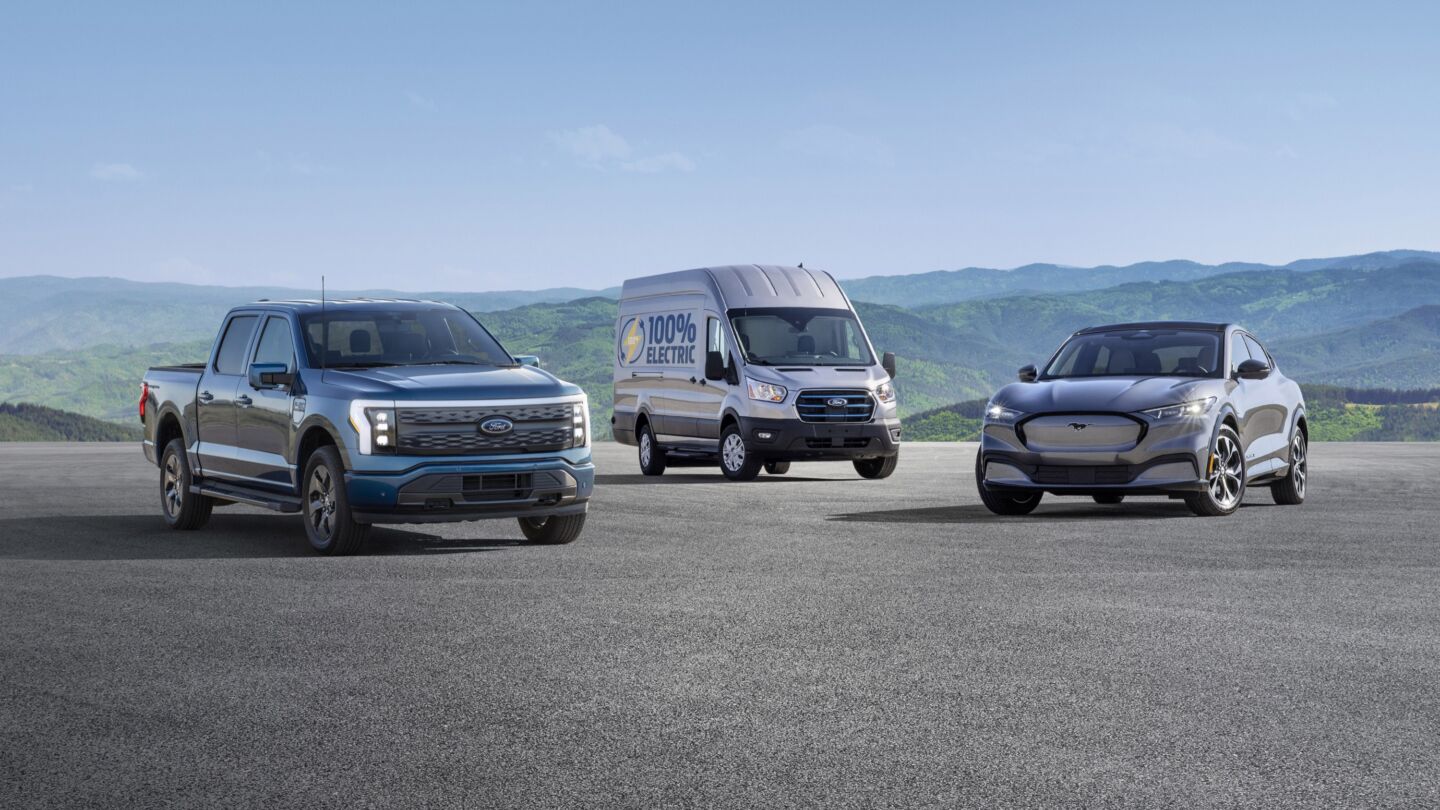
Ford's EV sales collapsed 80.2% in Q3 compared to last year, falling to just 6,047 units as the Mach-E and F-150 Lightning both struggled, Drive Tesla Canada reported. The inventory shrinks while demand weakens—a dangerous combination. Meanwhile, Ford's truck and commercial-van business remains solid, along with strong Super Duty demand. This split creates a problem: trucks are profitable, but EVs are where the industry is headed.
Fathom Pickup And Battery Storage Are Ford's Bet
Ford is banking on the Fathom electric pickup to revive its EV business. The truck will launch in early 2027 with a base price of $28,350 and use the company's new Universal Electric Vehicle platform. Ford is also building a battery-storage business to diversify revenue. However, ties to Chinese battery partners have drawn political criticism. If either initiative stumbles, Ford will face deeper trouble in an already slowing market.
Quality Recalls Adding To Customer Confidence Concerns
Ford recalled 11,405 2026 Rangers because a display defect can prevent the rearview-camera image from appearing while the driver is reversing. Initial owner notifications began October 5. The recall underscores quality worries that could damage Ford's reputation just as the company needs to win back EV-skeptical customers with new models.
Sentiment
Mostly NegativeNEGATIVENEUTRALPOSITIVE
Publishers
15
Articles
17
Reach
32
A
AnonymousAuthor


