Kasiya Rare-Earths Upside
Sovereign Metals Identifies $722 Million Rare-Earths Upside at Malawi Project
Anonymous
Key Points
1
The rare-earths circuit is estimated to have incremental site operating costs of about US$0.90 per kilogram of concentrate, supporting an operating margin of approximately 90%.
2
The monazite resource comprises about 69,000 tonnes of contained monazite, with approximately 74% classified as indicated and 26% as inferred; the resource lies within open pits already designed for the Kasiya definitive feasibility study.
3
The rare-earths addition would lift Kasiya’s total integrated pre-tax NPV to approximately US$2.9 billion, building on the April 2026 definitive feasibility study for the rutile and graphite operations.
4
The scoping study is preliminary and carries an estimated accuracy range of plus or minus 30%; Sovereign has scheduled a rare-earths integration pre-feasibility study for 2027.
5
Rio Tinto declined in July 2026 to exercise its option to become Kasiya’s operator, leaving Sovereign Metals as the sole independent owner and operator while Rio Tinto retains an 18.2% stake in the company.
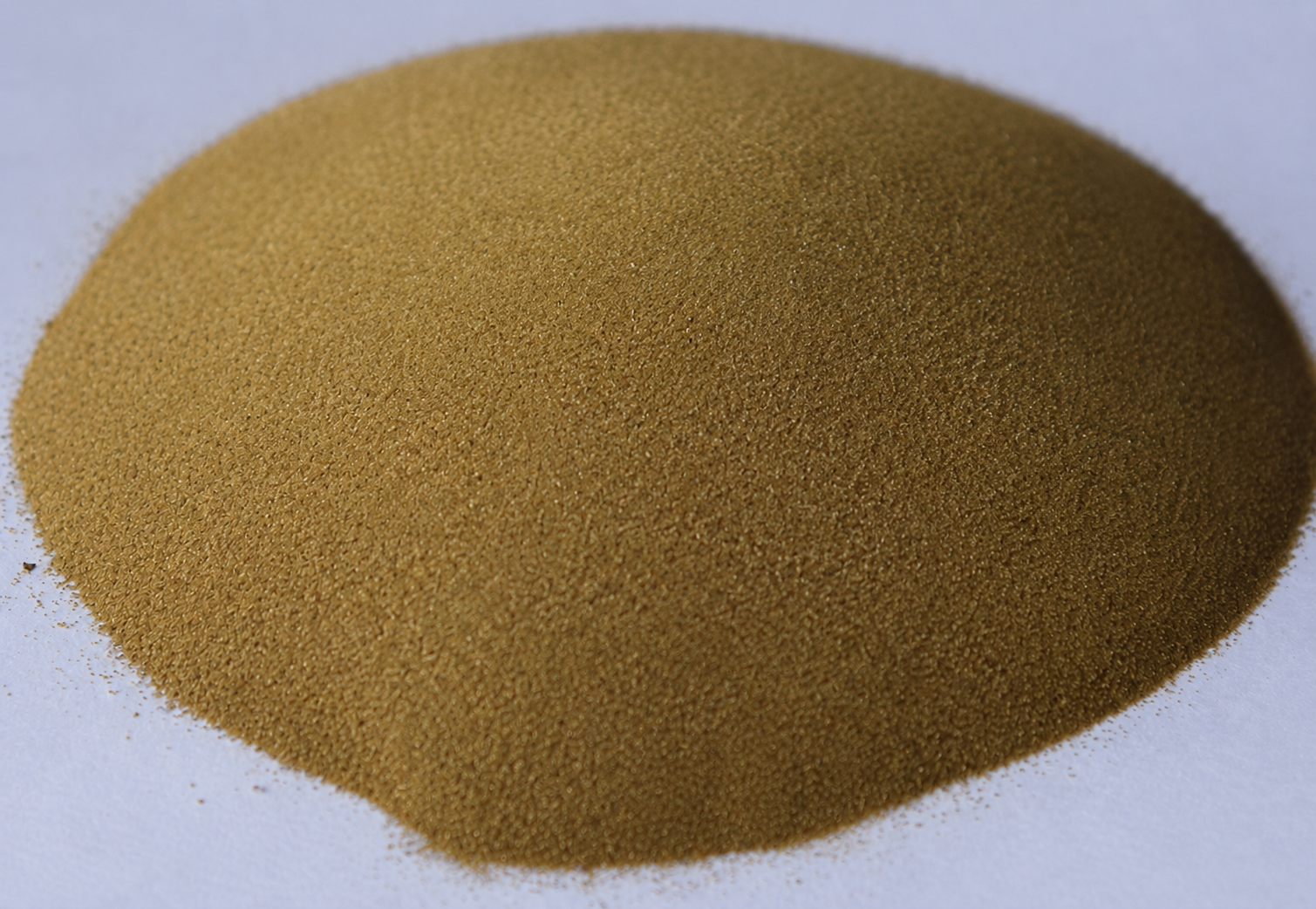
Sovereign Metals' new scoping study reveals a major upside at its Kasiya Critical Minerals Project in Malawi: a rare-earths by-product worth approximately US$722 million in pre-tax value. The monazite rare-earth concentrate could be extracted from existing mineral streams without extra mining, requiring just US$29 million in additional capital and delivering a 151% internal rate of return with an 18-month payback, according to Crux Investor.
The addition would boost Kasiya's total pre-tax net present value to roughly US$2.9 billion when combined with planned rutile and graphite operations. At full scale, the project would produce 2,626 tonnes annually of monazite concentrate containing 1,485 tonnes of total rare-earth oxides, including critical elements like neodymium, praseodymium, dysprosium, and terbium, Yahoo Finance reported.
Rare-Earths Margins Hit 90% With Low Operating Costs
The rare-earths circuit would operate at remarkably tight margins. Incremental site operating costs are estimated at just US$0.90 per kilogram of concentrate, generating an operating margin of approximately 90%, according to Crux Investor. This efficiency stems from integrating monazite recovery into existing open pits already designed for rutile and graphite extraction, eliminating separate mining infrastructure.
The concentrate could produce US$84 million in additional annual EBITDA at steady state, Proactive Investors noted. This high-margin production makes the rare-earths stream a natural complement to Kasiya's broader mining operations without requiring significant front-end processing changes.
Monazite Resource Spans 524 Million Tonnes With Indicated Confidence
Sovereign's maiden monazite resource estimate totals 524.4 million tonnes, with approximately 69,000 tonnes of contained monazite. About 74% is classified as indicated resources—the higher confidence category—while 26% remains inferred, according to Crux Investor. This resource sits entirely within open pits already planned for the rutile and graphite mining phases.
The geology supports long-term supply. Multiple rare-earth elements present in the monazite include neodymium-praseodymium for magnets, dysprosium and terbium for high-temperature applications, and yttrium for advanced alloys—all in high global demand as renewable energy and defense sectors expand.
Shares Jump as Rio Tinto Steps Back From Kasiya
Sovereign Metals shares rose 4% on the scoping study announcement, driven by the rare-earths upside and improved project economics. Yahoo Finance cited the study as confirmation that Kasiya could deliver exceptional returns on the incremental investment. The momentum reflects investor appetite for domestic sources of critical materials outside China's dominant supply chains.
Rio Tinto declined in July 2026 to exercise its option to become Kasiya's operator, leaving Sovereign as the sole independent owner and operator. Rio Tinto retains an 18.2% stake, maintaining exposure to the project's upside without operational control. Sovereign plans a rare-earths integration pre-feasibility study in 2027 before advancing to full development.
Sentiment
Mostly PositiveNEGATIVENEUTRALPOSITIVE
Publishers
18
Articles
17
Reach
35
A
AnonymousAuthor


