Nobel Committee Faces Trump Pressure
Trump Pressure Could Shape Committee Deliberations for the 2026 Nobel Peace Prize
Anonymous
Key Points
1
Cambodia, Israel and Pakistan nominated U.S. President Donald Trump for the 2026 Peace Prize, according to Reuters.
2
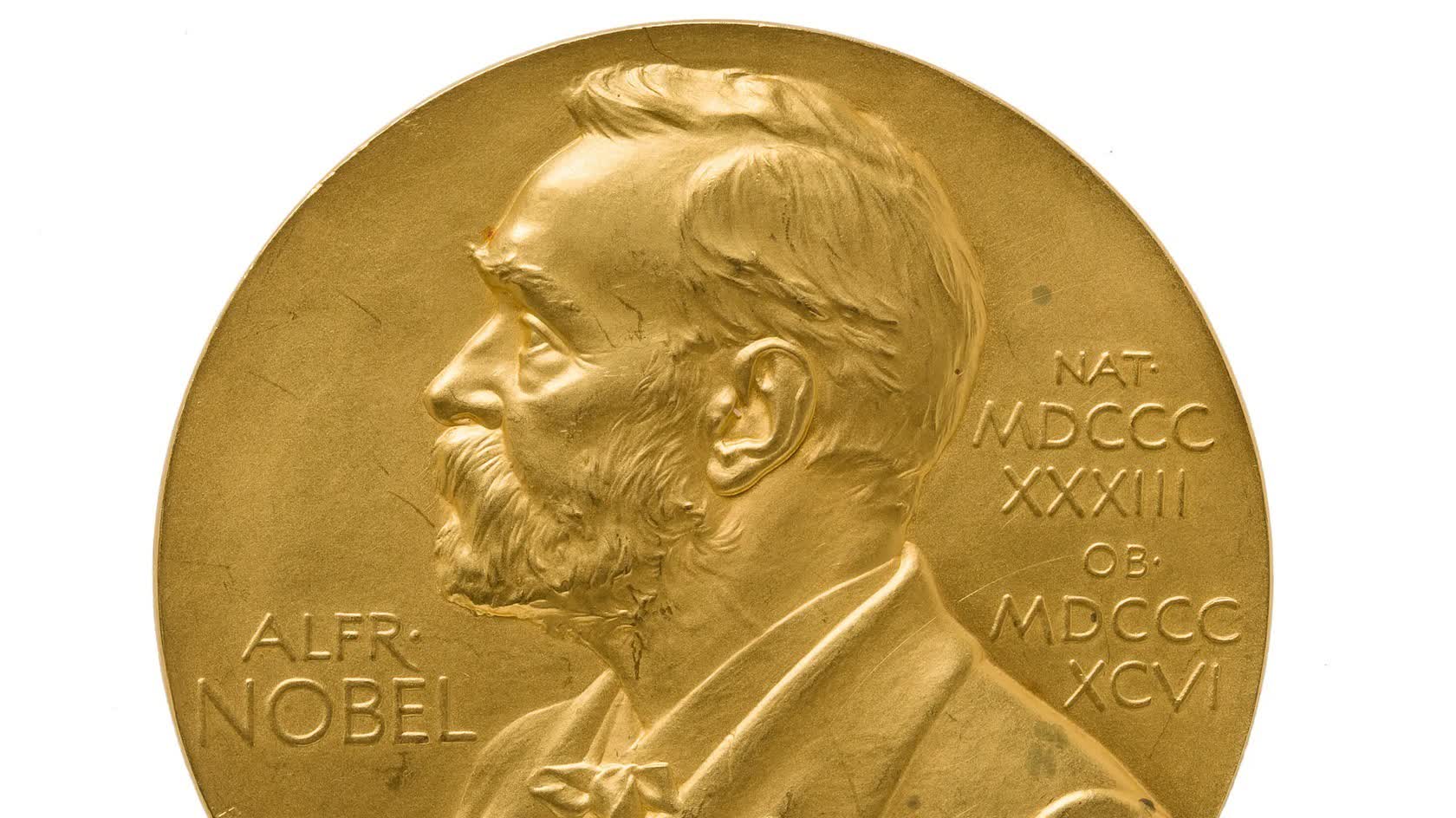
The Norwegian Nobel Committee clarified that the Nobel Peace Prize is non-transferable after María Corina Machado presented her medal to Trump.
3
Other potential candidates named by experts include the International Criminal Court, the International Court of Justice and Francesca Albanese.
4
On April 6, Trump threatened to destroy Iran’s civilian power plants and bridges if Tehran did not make a deal; the following day, he wrote that “a whole civilization will die tonight,” before announcing a two-week delay in attacks.
Donald Trump is unlikely to win the 2026 Nobel Peace Prize, but experts say his political influence could reshape who does. Leaders from Cambodia, Israel, and Pakistan have nominated Trump Reuters, despite the United States currently being at war with Iran. The five-member Norwegian Nobel Committee faces pressure as it prepares to announce the winner on October 9.
The committee is now more cautious after last year's controversy. In 2025, Venezuelan opposition leader María Corina Machado won the prize, then gave her medal to Trump. Analysts say this episode has made judges wary of selecting winners who might face pressure from the U.S. president to hand over their awards or betray their independence Sight Magazine.
Three Nations Push Trump's Candidacy Despite War
Cambodia, Israel, and Pakistan each submitted Trump as a nominee for the 2026 Peace Prize Reuters. This is unusual given Trump's current military conflict with Iran. Experts argue these nominations reflect political alignment with Trump rather than genuine peace credentials. The president has threatened Iran's civilian infrastructure, tweeting that "a whole civilization will die tonight" before announcing a two-week delay in attacks on April 7.
Machado's Medal Handover Creates New Concerns
When María Corina Machado presented her 2025 Peace Prize medal to Trump, it raised alarm bells at the Nobel Committee. The Norwegian Nobel Committee issued a clarification stating the prize is non-transferable Market Screener. Officials worry that high-profile recipients could face coercion from powerful leaders to surrender awards or compromise their independence.
This cautionary tale influences how the committee now evaluates candidates. Judges are likely to avoid nominees whose selections might create awkward pressure or political leverage. The Machado precedent essentially teaches the committee to think ahead about unintended consequences of their choices.
Alternative Candidates Focus on Law and Human Rights
Experts have floated other contenders for 2026. The International Criminal Court and International Court of Justice represent institutions defending global legal order. Human rights investigator Francesca Albanese has also been mentioned as a candidate Market Screener. Pope Leo, who has publicly criticized Trump's Iran policy, is another possible choice.
These alternatives align with the prize's stated mission: affirming peace, international law, and human rights. Unlike Trump's military-heavy approach, they emphasize justice and accountability. The committee will announce its final decision on October 9, ending months of speculation about which direction it will choose.
Sentiment
Mostly NegativeNEGATIVENEUTRALPOSITIVE
Publishers
12
Articles
51
Reach
63
A
AnonymousAuthor


