Trump Weighs Iran Decision
Trump Weighs Further Attacks on Iran as Seven-Month Conflict Nears a Crossroads
Anonymous
Key Points
1
Trump explicitly framed his choice as whether to “annihilate” Iran’s regime, saying, “Anything could happen with me.”
2
Trump reportedly delayed resuming major combat operations in early August after Saudi Arabia and Qatar warned that Iran could retaliate against Saudi oil and gas facilities.
3
The standoff has included a blockade of the Strait of Hormuz, underscoring the continuing risk to regional energy and shipping routes despite the post-ceasefire environment.
4
The scheduled Gulf meeting is being viewed as crisis management rather than normalization, while market indicators have shown some support for the possibility of future diplomacy in the United Arab Emirates.
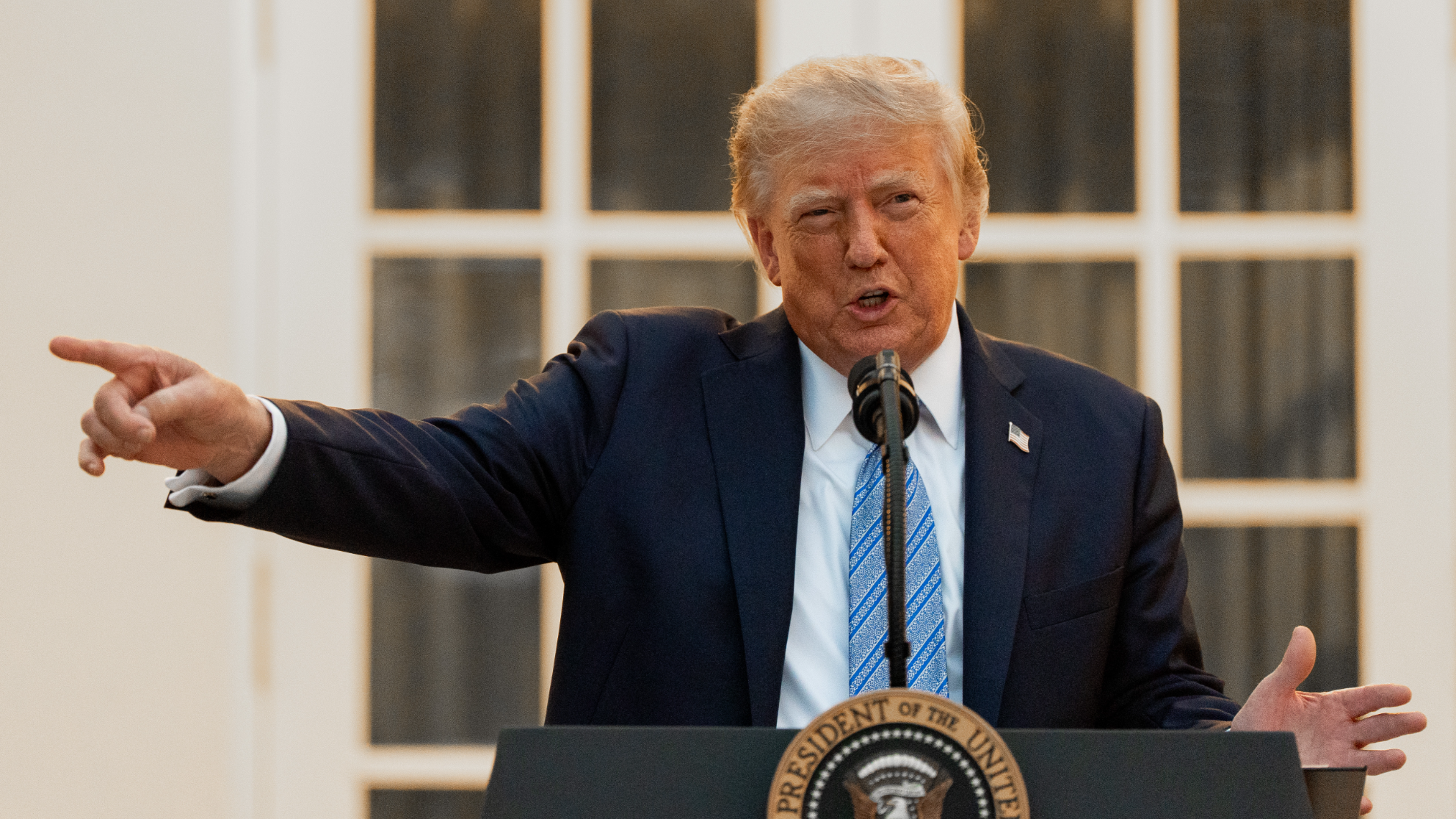
President Trump said he faces a critical decision on whether to resume massive attacks against Iran or pursue another path as the nearly seven-month conflict shows signs of strain. Axios reported that Trump framed the choice starkly: "Do I want to go in and annihilate them or do I not? It's a big decision. Anything could happen with me." Trump is scheduled to meet Tuesday in New York with leaders from six Gulf nations to discuss the war and plan for what comes after.
The conflict has ground on since February 28, when the U.S. and Israel launched joint strikes targeting Iranian leadership and military sites. Iran retaliated with missile attacks across the region. Now a maritime blockade of the Strait of Hormuz threatens global energy supplies, and Defense officials warn that current military deployments cannot continue indefinitely without a clear end game. Trump said Iran wants a deal but "they're not ready" yet.
Trump Delayed Escalation After Gulf Warnings
In early August, Trump postponed plans to resume large-scale combat operations after Saudi Arabia and Qatar delivered blunt warnings. Both nations told the administration that Iranian forces could strike their critical oil and gas facilities in retaliation. The delay revealed fractures in the U.S.-led military strategy and showed Trump's sensitivity to economic risks. Higher global energy prices could damage him politically ahead of the midterm elections.
The pause underscored how vulnerable Gulf infrastructure remains despite months of U.S. and Israeli military action. Iran's ability to threaten Saudi and Qatari energy facilities — even after the initial February strikes — demonstrated that the conflict had not ended the threat to regional powers or global oil markets.
Blockade of Hormuz Chokes Global Shipping
The Iranian navy continues to enforce a near-total blockade of the Strait of Hormuz, one of the world's most critical energy chokepoints. Global Times reported that commercial traffic has collapsed, with as few as 3 vessels completing transits during peak blockade enforcement. This maritime stranglehold threatens oil supplies worldwide and has become a key political liability for Trump.
The blockade shows Iran retains significant leverage despite the initial U.S.-Israeli assault. By controlling shipping lanes, Tehran can inflict economic pain on the U.S. and its Gulf allies without direct military confrontation. This asymmetric tactic has forced the Trump administration to weigh whether further escalation or diplomacy offers a better path forward.
Gulf Summit Focuses on Crisis Management
Trump will meet Tuesday with foreign ministers and leaders from Saudi Arabia, the United Arab Emirates, Qatar, Bahrain, Kuwait, and Oman in New York. Market observers have noted some interest in future diplomatic options, particularly within the UAE. However, the summit is widely viewed as crisis management rather than preparation for a broader regional reset.
The six Gulf nations face a shared dilemma: how to protect their economies and energy infrastructure while avoiding being dragged deeper into a war they did not start. Trump wants their input before deciding on next steps. Formal negotiations with Iran remain suspended, and any comprehensive postwar strategy likely will not be finalized until after U.S. midterm elections.
Nuclear Threat Declared Neutralized, Focus Shifts
U.S. House Speaker Mike Johnson said the threat of an Iranian nuclear weapon has been "taken care of," signaling confidence in the success of the initial strikes. House Speaker urged lawmakers to shift attention to domestic concerns like gas prices, which have risen due to Middle East tensions and supply disruptions.
This rhetorical shift reflects growing fatigue with the conflict. If U.S. leaders believe the core military objective — destroying Iran's nuclear program and production sites — has been achieved, the rationale for further escalation weakens. The real question now is whether Trump can wind down the conflict without appearing to hand Iran a diplomatic victory.
Sentiment
Mostly NegativeNEGATIVENEUTRALPOSITIVE
Publishers
50
Articles
206
Reach
256
A
AnonymousAuthor


