Major Santa Teresa Cattle Crossing Expected to Reopen
Major Santa Teresa Cattle Crossing Expected to Reopen
Anonymous
Key Points
1
New World screwworm larvae feed on the living tissue of warm-blooded animals and can affect cattle, horses, wildlife and pets; human infections are rare. The pest was eradicated from the United States in the 1960s through the release of sterile male flies.
2
Agriculture Secretary Brooke Rollins said the first reopened port, Douglas, Arizona, had demonstrated that imports could resume safely: “What you all have proven for the last 20-plus days in Douglas is that this is manageable and doable.”
3
New Mexico Agriculture Commissioner Jeff Witte said he planned to tour and inspect Santa Teresa with Rollins and industry representatives before the reopening, describing the visit as an initial inspection and identifying Sept. 24 as the target date if conditions are satisfactory.
4
At full capacity, Santa Teresa can handle between 500,000 and 700,000 cattle annually in both directions, according to Witte, offering a more specific measure of the port’s potential throughput than its typical annual volume.
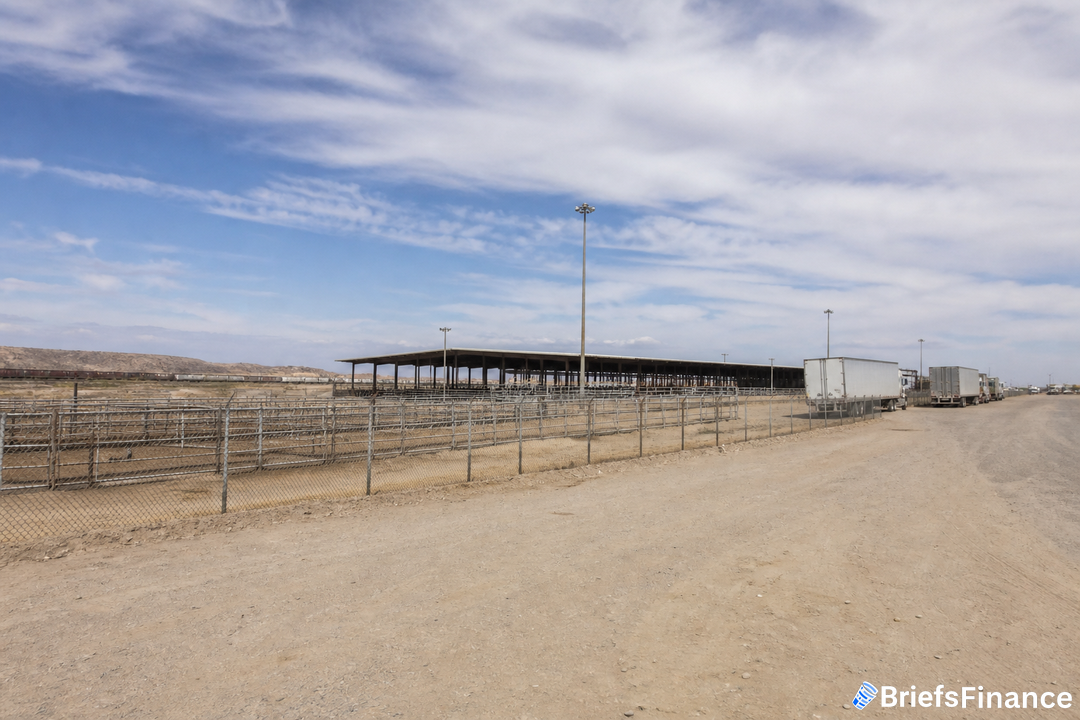
The Santa Teresa cattle crossing in New Mexico will reopen on September 24, marking the second major livestock port to resume operations after a two-year closure due to New World screwworm concerns. USDA officials announced the reopening as part of a phased plan that began with Arizona's Douglas crossing, with strict animal inspections and treatment requirements in place to prevent disease spread.
Santa Teresa is North America's largest livestock port, typically handling 500,000 to 700,000 cattle annually and supporting trade valued at up to $1.4 billion per year. Agriculture Secretary Brooke Rollins said the successful reopening of Douglas proved the process works: "What you all have proven for the last 20-plus days in Douglas is that this is manageable and doable."
What Screwworm Is and Why Ports Closed
New World screwworm is a parasitic fly larva that feeds on living tissue in warm-blooded animals. It can infect cattle, horses, wildlife and pets, though human infections are rare. USDA officials say the pest was eliminated from the United States in the 1960s through releases of sterile male flies that cannot reproduce.
The closures began over two years ago after screwworm detections in Mexico threatened to spread northward. The disease can cause serious wounds and death in livestock if left untreated, making it a major trade and animal health risk across North America.
Douglas Opens First, Santa Teresa Follows Soon
Arizona's Douglas crossing reopened first as part of USDA's phased approach. After more than 20 days of successful operations with proper inspections and treatments, officials gained confidence the process could work at other major ports. Agriculture Secretary Rollins credited the Douglas success for paving the way.
New Mexico Agriculture Commissioner Jeff Witte plans to tour Santa Teresa with Rollins and industry representatives before the September 24 reopening. The inspection will verify that facilities meet all safety standards and treatment protocols are ready.
New Rules Include Inspections and Sterile Fly Releases
The reopening comes with strict new requirements. All cattle imports must undergo inspections and treatments. USDA officials are also preparing sterile flies for release across New Mexico, Texas and Chihuahua as part of broader screwworm eradication efforts.
Officials warn that ports could close again if new screwworm threats emerge. Texas Agriculture Commissioner Sid Miller has called for sustained use of proven eradication measures to keep the disease out of the United States.
Economic Importance Drives Push for Safe Reopening
At full capacity, Santa Teresa handles between 500,000 and 700,000 cattle annually in both directions, making it critical for U.S.-Mexico livestock trade. The port's reopening is expected to restore trade valued at up to $1.4 billion per year and boost cattle markets on both sides of the border.
Drovers reported that cattle futures have struggled with selling pressure this week, partly due to uncertainty around port operations. The September 24 reopening date gives traders a clearer timeline for resuming normal import flows from Mexico.
Sentiment
Mostly NegativeNEGATIVENEUTRALPOSITIVE
Publishers
12
Articles
22
Reach
34
Topics
A
AnonymousAuthor


