Big Bend Construction Paused
Federal Government Extends Big Bend National Park Border Construction Pause Until September
Anonymous
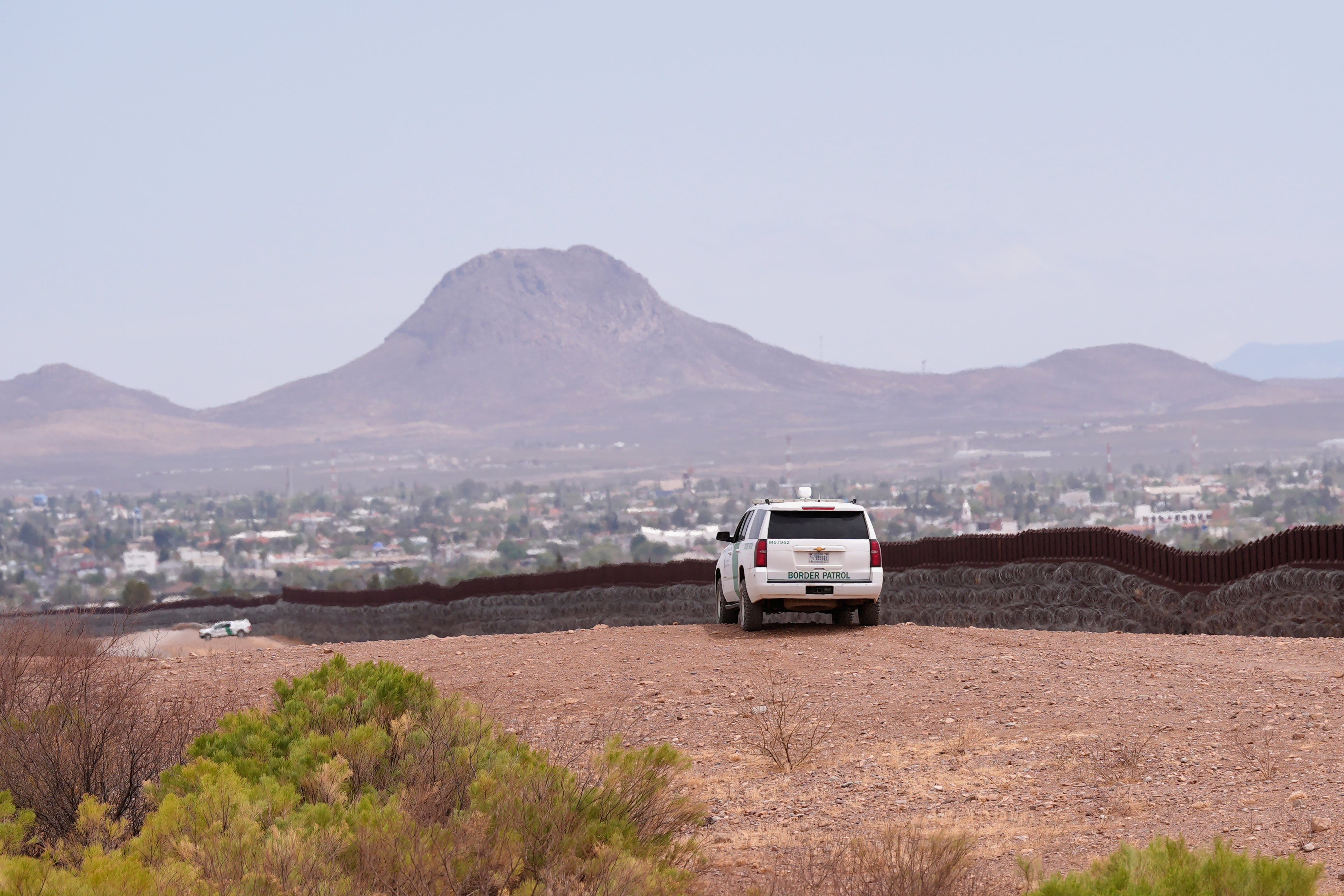
The federal government agreed to extend a temporary halt on border construction in Big Bend National Park, Texas, through mid-September Associated Press. The pause came during a court hearing Friday as Indigenous groups and environmental advocates challenge the project under federal law. The decision gives both sides time to negotiate before construction resumes on what could become a 30-foot steel wall spanning 2,000 miles across the U.S.-Mexico border.
How the Pause Began After Bulldozers Cleared Parkland
In mid-August, videos surfaced showing bulldozers tearing through Big Bend parkland. CBP Commissioner Rodney Scott ordered an immediate stop to evaluate the project and consult with local officials The Texas Tribune. About 2 miles of land inside the park had been clear-cut before the halt took effect. The temporary pause bought time as lawsuits mounted from Native American tribes and conservation groups challenging the government's authority to build in a national park.
Trump's $46 Billion Border Wall Spans the Entire Frontier
The Trump administration plans to cover the entire 2,000-mile southern border with 30-foot steel walls, vehicle barriers, and detection technology KFI AM 640. The Big Bend project alone costs an estimated $7 billion. It would construct 175 miles of steel barriers west of the park, 200 miles of patrol roads, and 17 miles of vehicle obstacles inside the protected wilderness area. The administration waived over a dozen federal laws—including the Endangered Species Act and National Park Service rules—to move ahead quickly.
Lawsuit Claims Government Violated National Park and Religious Laws
Indigenous groups argue the government overstepped its power by bypassing Congress, which created Big Bend as a national park Big Bend Sentinel. The lawsuit also claims the construction destroys sacred ceremonial sites and cuts off Lipan Apache people from healing plants. Federal Judge Orlando Garcia urged both sides to use the extended pause to resolve differences before a full trial. If negotiations fail, the judge will decide whether the project can proceed pending further legal battles.
Local Voices Warn of Damage to Tourism and Desert Life
West Texas depends heavily on eco-tourism near Big Bend KRGV. Outdoor outfitters worry the wall will destroy visitor experiences and the fragile desert ecosystem. Christina Hernandez, a Lipan Apache descendant fighting the project, said: "We are fighting the wall in court because our ancestors did not survive on this land for thousands of years for us to stand by and wait for someone else to come save it." Environmental groups like the Center for Biological Diversity vow to challenge the project until contracts are canceled completely.
Sentiment
NeutralNEGATIVENEUTRALPOSITIVE
Publishers
25
Articles
24
Reach
25
Topics
A
AnonymousAuthor


