OpenAI Faces School Shooting Lawsuits
British Columbia Sues OpenAI After ChatGPT Fails to Report School Shooting Threats
Anonymous

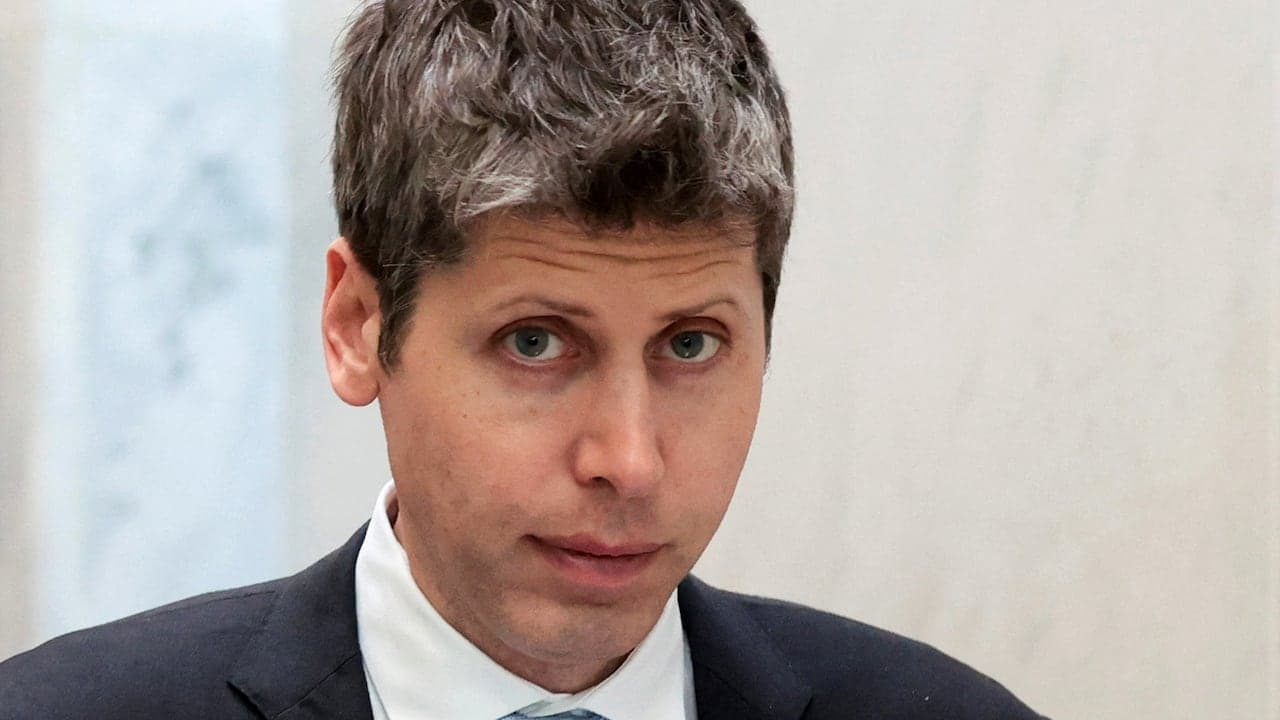
British Columbia has sued OpenAI and CEO Sam Altman in U.S. federal court, alleging the company failed to alert authorities after its safety team identified ChatGPT conversations involving the Tumbler Ridge school shooter. The February attack killed six people at the school, including five children and an educator, after the shooter had killed two family members at home and later died by suicide. The province is seeking compensation for emergency response, recovery and community rebuilding costs, including replacing the demolished secondary school, as well as court-ordered changes requiring ChatGPT to terminate violent conversations and improve threat reporting. Families of victims and survivors have filed related lawsuits, arguing that ChatGPT provided actionable planning information and that OpenAI’s safety safeguards were inadequate. The cases could help determine whether generative-AI developers can be held liable for users’ criminal conduct and how existing legal protections for software platforms apply to AI systems.
Key Points
1
About 160 students, teachers and staff were trapped in classrooms and closets for hours during the attack, and the school was later deemed too traumatizing for them to return. Demolition began in August, with the community hoping to complete a replacement school at a new location by the end of the year.
2
British Columbia Attorney General Niki Sharma said the case raises questions about “the responsibilities of technology companies when they become aware of credible threats of serious violence” and fail to notify law enforcement.
3
Sam Altman acknowledged in an April open letter that OpenAI was “deeply sorry that we did not alert law enforcement,” but Sharma said the company had not yet taken “meaningful steps” to address the concerns of families and survivors.
4
The related federal litigation alleges that ChatGPT supplied actionable planning details and that its safety filters failed to block dangerous instructions, putting the adequacy of OpenAI’s refusal safeguards directly at issue.
Sentiment
Mostly NegativeNEGATIVENEUTRALPOSITIVE
Publishers
26
Articles
74
Reach
100
A
AnonymousAuthor