Antitrust Lawsuit Against AI Giants
AI Giants Face Class-Action Lawsuit Over Alleged Pact to Slow Development
Anonymous
Key Points
1
The complaint was filed by Charles Buist, Nick Spetsas, Cheyenne Hunt and Christine Bullock, who are suing individually and on behalf of a proposed nationwide class; Hunt is identified as a lawyer, while Buist and Spetsas are Florida attorneys.
2
The plaintiffs plead their antitrust theory as unlawful per se and, alternatively, under “quick-look” and rule-of-reason analyses, arguing that an agreement by rivals to reduce product quality or slow product improvements can constitute an output restriction.
3
Lead attorney Nicholas C. Rowley said the case seeks to prevent “private self-interested agreements among the world’s most powerful for-profit technology companies” from causing AI to “quickly spin out of human control,” while arguing that rules addressing existential risks should be established transparently by government and remain accountable to the public.
4
The complaint reportedly claims that paying subscribers were deprived of product improvements they had been promised as a result of the companies’ alleged agreement to slow AI development.
5
The lawsuit’s backdrop includes warnings from current and former AI researchers that rapid deployment without additional guardrails could pose existential risks to humanity, an argument the companies’ supporters have used to justify calls for a development slowdown.
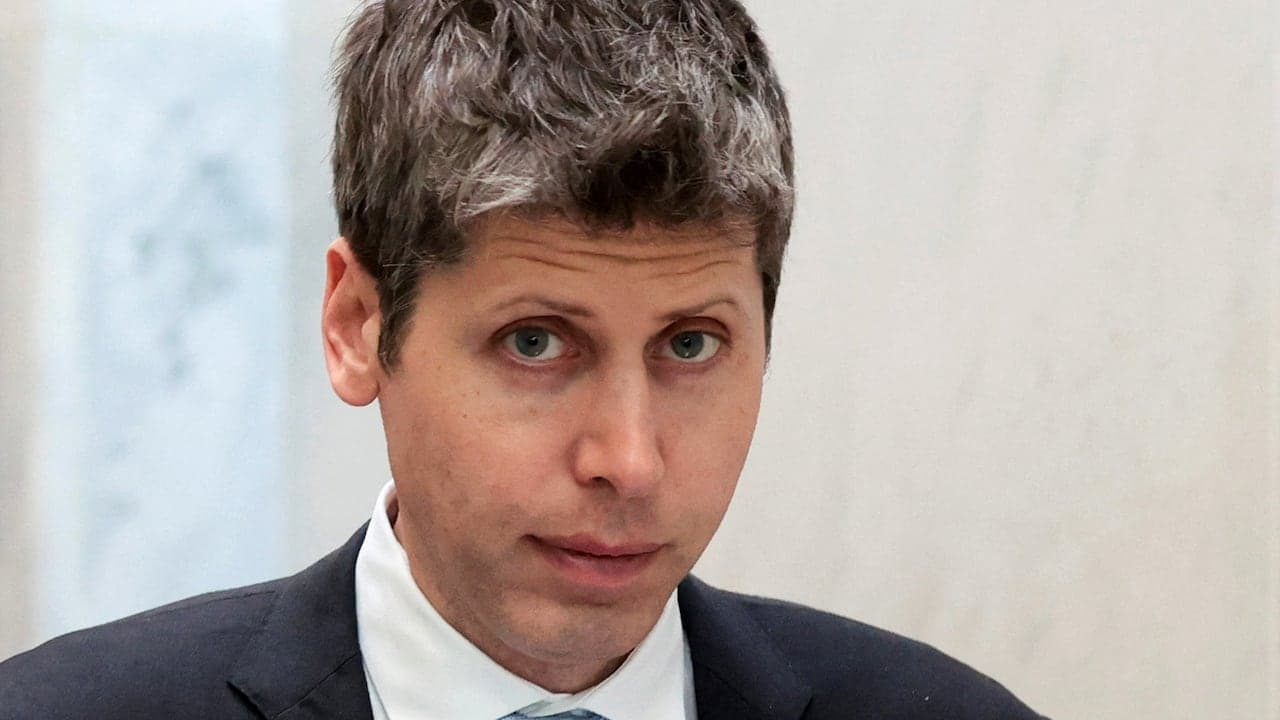
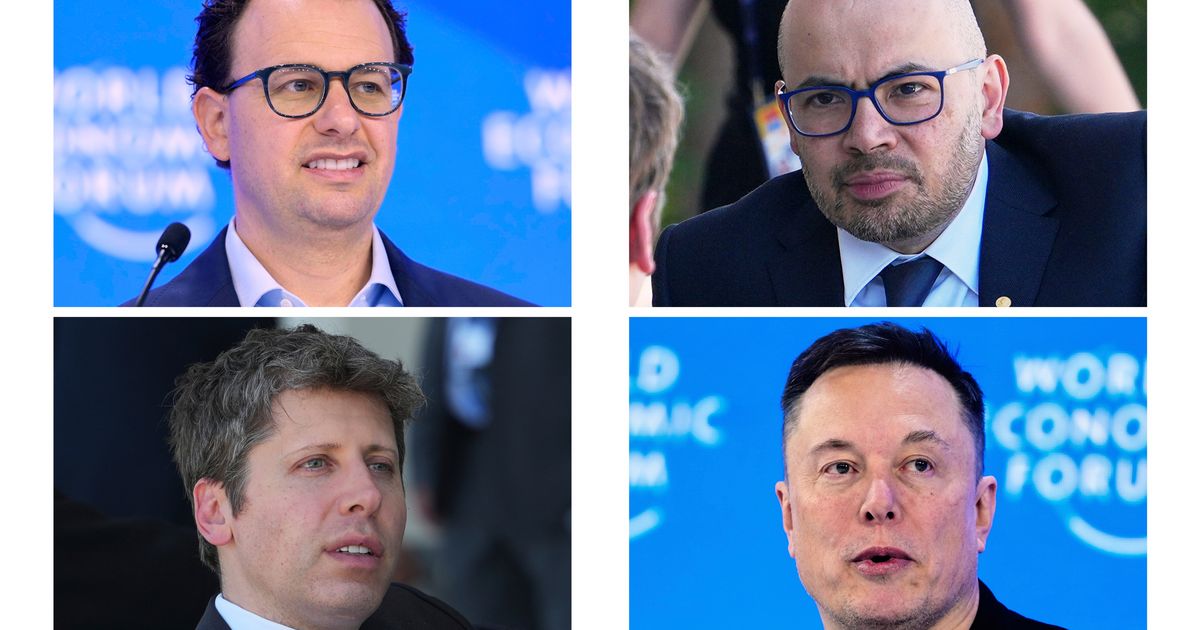
Four consumers filed a nationwide class-action lawsuit in San Francisco federal court accusing Anthropic, OpenAI, SpaceXAI, and Google of illegally coordinating to slow AI development Business Standard. The plaintiffs argue the companies violated antitrust law by agreeing to restrict product improvements, citing public calls by Anthropic CEO Dario Amodei for industry-wide coordination backed by Elon Musk, Sam Altman, and Google DeepMind co-founder Demis Hassabis India Today.
Antitrust Complaint Targets AI Safety Coordination
The lawsuit, brought by Charles Buist, Nick Spetsas, Cheyenne Hunt, and Christine Bullock, claims the companies violated Section 1 of the Sherman Act by restricting product quality and slowing improvements WRAL. The plaintiffs argue that agreements among rivals to limit output constitute an unlawful restraint of trade, even when companies cite safety concerns as justification AJC.
Lead attorney Nicholas C. Rowley stated the case targets "private self-interested agreements among the world's most powerful for-profit technology companies." The plaintiffs contend that rules governing AI risks should be set transparently by government authorities, not decided behind closed doors by private firms Yahoo Finance.
Subscribers Claim They Lost Promised AI Improvements
The complaint alleges that paying subscribers were deprived of product improvements they had been promised as a result of the companies' alleged slowdown agreement Business Standard. Plaintiffs are suing both individually and on behalf of a nationwide class, arguing they suffered direct harm from the restricted development pace India Today.
The AI Safety Defense Against Antitrust Claims
The defendants, who have not yet commented on the litigation, have previously justified calls for a development slowdown by citing warnings from AI researchers about existential risks WRAL. The lawsuit distinguishes between companies' unilateral safety decisions—which are legal—and agreements between competitors to restrict output, which it claims crosses an antitrust line AJC.
The plaintiffs frame the case as protecting competition in the AI market while supporting transparent government rule-making on AI safety rather than private coordination Yahoo Finance. The complaint applies three legal theories: unlawful per se, "quick-look," and rule-of-reason analyses of the alleged agreement.
Sentiment
Mostly NegativeNEGATIVENEUTRALPOSITIVE
Publishers
13
Articles
108
Reach
121
A
AnonymousAuthor