Expanding Drug Testing Alternatives
FDA updates regulations to officially expand approval for non-animal drug testing alternatives.
Anonymous
Key Points
1
The Physicians Committee for Responsible Medicine said it identified 235 FDA regulations that could create barriers to nonanimal methods in 2017 and has advocated for the changes for nearly a decade. Janine McCarthy, the group’s director of research policy, said the update “sends a clear message that nonanimal methods should play a central role” in evaluating new medicines.
2
Humane World for Animals said it filed a legal petition asking the FDA to clarify that pharmaceutical companies are not required to use animals in testing, after manufacturers said unclear regulations created confusion about the requirements.
3
Animal Wellness Action said that 90% to 95% of conventional preclinical tests fail to translate to humans, underscoring the group’s argument that human-relevant methods could improve drug development while reducing animal use.
4
The HHS initiative was also framed as part of a strategy to preserve U.S. biopharmaceutical competitiveness as China increases its investment in the sector. The NIH’s planned infrastructure spending includes a new laboratory at the NIH Clinical Center dedicated to developing New Approach Methodologies, integrating standardized human organoids, robotics, artificial intelligence and advanced data capabilities.
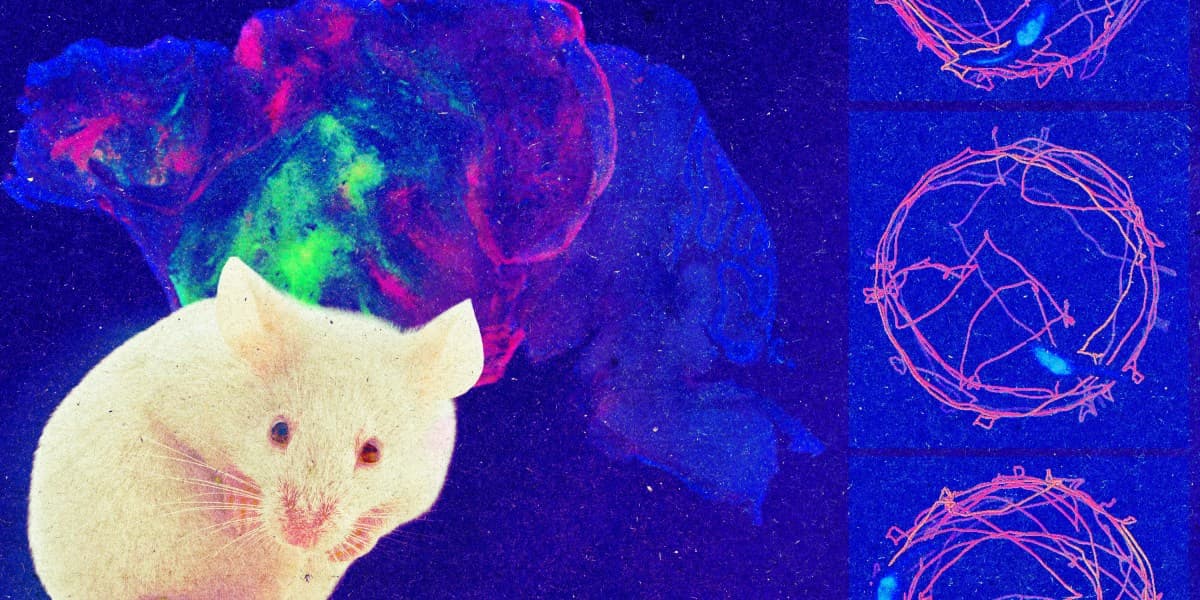
The FDA has updated its drug and biologics regulations to allow developers to use human cell systems, computer models, and other nonanimal methods instead of animal tests Veterinary Practice News. The change replaces language requiring "animal tests" and "animal studies" with broader terms like "nonclinical tests," removing barriers that made animal testing seem mandatory European Pharmaceutical Review. The update aligns with a 2022 federal law and does not lower safety standards, but signals that newer, more human-relevant approaches can now take center stage in evaluating new medicines.
Separately, the Trump administration announced $88 million in new NIH funding to modernize biomedical research Eastern Shore Undercover. The investment will support organoids, artificial intelligence, and computational modeling, including a dedicated laboratory at the NIH Clinical Center for developing new testing technologies.
A Decade-Long Push From Animal Welfare Groups
The Physicians Committee for Responsible Medicine identified 235 FDA regulations that blocked nonanimal methods way back in 2017 Center for a Humane Economy. The group spent nearly a decade advocating for change. Janine McCarthy, the committee's director of research policy, said the update "sends a clear message that nonanimal methods should play a central role" in evaluating new medicines Veterinary Practice News.
Humane World for Animals filed a legal petition asking the FDA to clarify that companies are not required to use animals in testing Animals24-7. The group said unclear regulations created confusion among manufacturers about what the rules actually demanded.
Why Animal Tests Fail to Predict Human Drug Safety
Animal Wellness Action found that 90% to 95% of conventional preclinical tests fail to translate to humans Animals24-7. This means drugs that work in mice or rats often don't work in people — and sometimes cause unexpected harm. The gap between animal and human biology has long frustrated researchers trying to develop safer medications faster.
Newer methods like organs-on-chips and human organoids mimic how real human tissues and organs work European Pharmaceutical Review. They capture the complexity of human biology much better than animal models can. This should help drug makers identify promising candidates earlier and avoid investing in medicines that will ultimately fail in human trials.
US Competitiveness Drives Modernization Effort
The HHS initiative frames the shift as essential for maintaining U.S. biotech leadership as China increases its investment in the sector Animals24-7. The NIH will spend heavily on new infrastructure to keep American drug development on the cutting edge. A new laboratory at the NIH Clinical Center will integrate organoids, robotics, AI, and advanced data tools to accelerate the development of next-generation testing technologies.
Sentiment
Mostly NegativeNEGATIVENEUTRALPOSITIVE
Publishers
20
Articles
16
Reach
36
A
AnonymousAuthor