Pakistan Mosque Bombing Kills 16
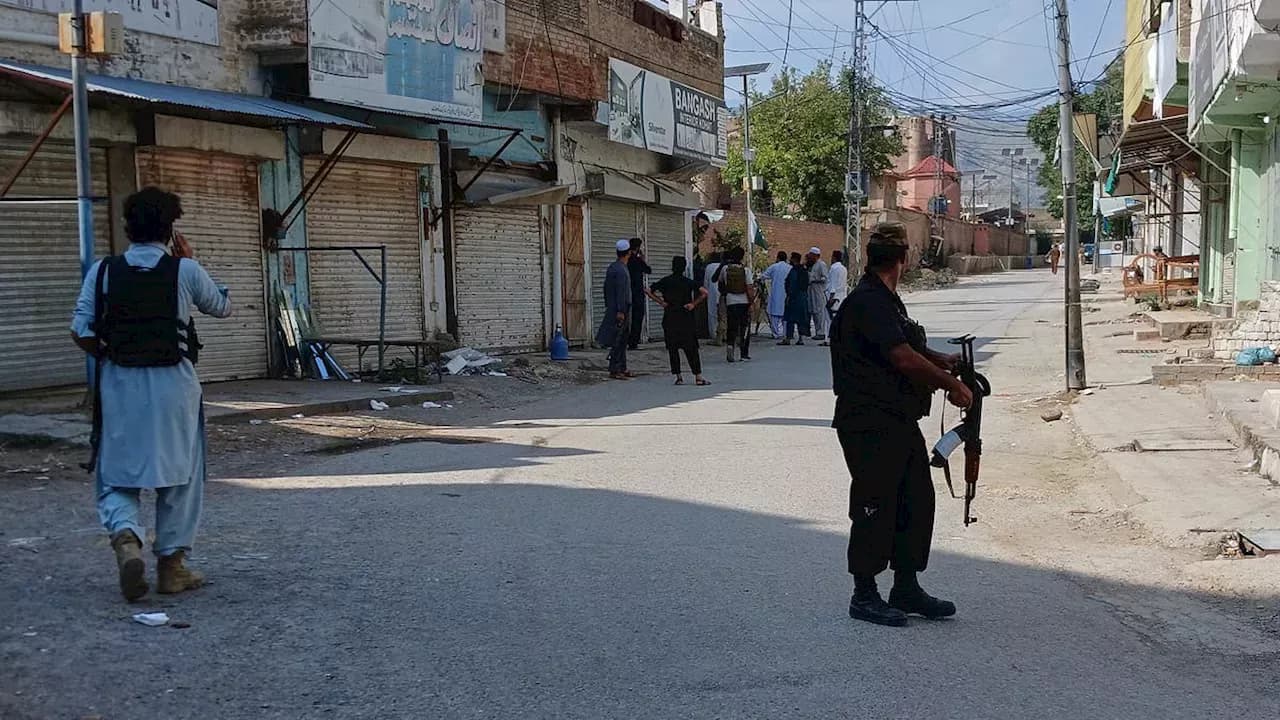
Suicide Bombing at Pakistan Mosque and Police Compound Kills at Least 16
Anonymous
Key Points
1
Police said the attack involved two suicide bombers: one drove an explosives-laden vehicle into the mosque, while another detonated near a building housing the police special-branch offices.
2
After the explosions, seven armed militants reportedly infiltrated the Police Lines compound, prompting police and the Counter Terrorism Department to launch a clearance operation; authorities said six militants were killed.
3
The mosque was badly damaged and the police station’s outer wall collapsed; residents reported hearing the blast from some distance away, and most of the wounded were worshippers.
4
The military and police said troops had killed 10 suspected TTP fighters in raids across the region the day before the bombing, adding to the cycle of attacks and counteroperations near the Afghan border.
5
President Asif Ali Zardari called for the “complete elimination” of “Fitna al-Khwarij,” the government’s term for the banned Pakistani Taliban, as well as militants allegedly operating with foreign backing.
A suicide bombing at a mosque in Kohat, Pakistan, killed at least 31 people on Friday, including police officers and worshippers at prayer. news9live reported that an explosives-laden vehicle rammed the mosque gate during midday prayers, and armed militants then stormed the adjoining police compound in a hours-long gun battle that left over 100 wounded.
The coordinated attack struck the Old Police Lines complex in Khyber Pakhtunkhwa province, a strategic facility housing Pakistan's counterterrorism units. Authorities initially blamed the Pakistani Taliban, or TTP, though a splinter faction claimed responsibility. The assault underscores escalating violence along Pakistan's Afghan border and deepening tensions between Islamabad and Afghanistan's Taliban government.
Two-Phase Attack Devastates Police Compound
The assault began at 1:15 p.m. on Friday when a suicide bomber drove an explosives-laden vehicle into the gate of the Old Police Lines complex in Kohat. news9live reported the blast destroyed the mosque's outer wall and inflicted severe damage on the building. Minutes later, 5 to 8 armed militants breached the compound and opened fire, and a second suicide bomber detonated near the Special Branch offices.
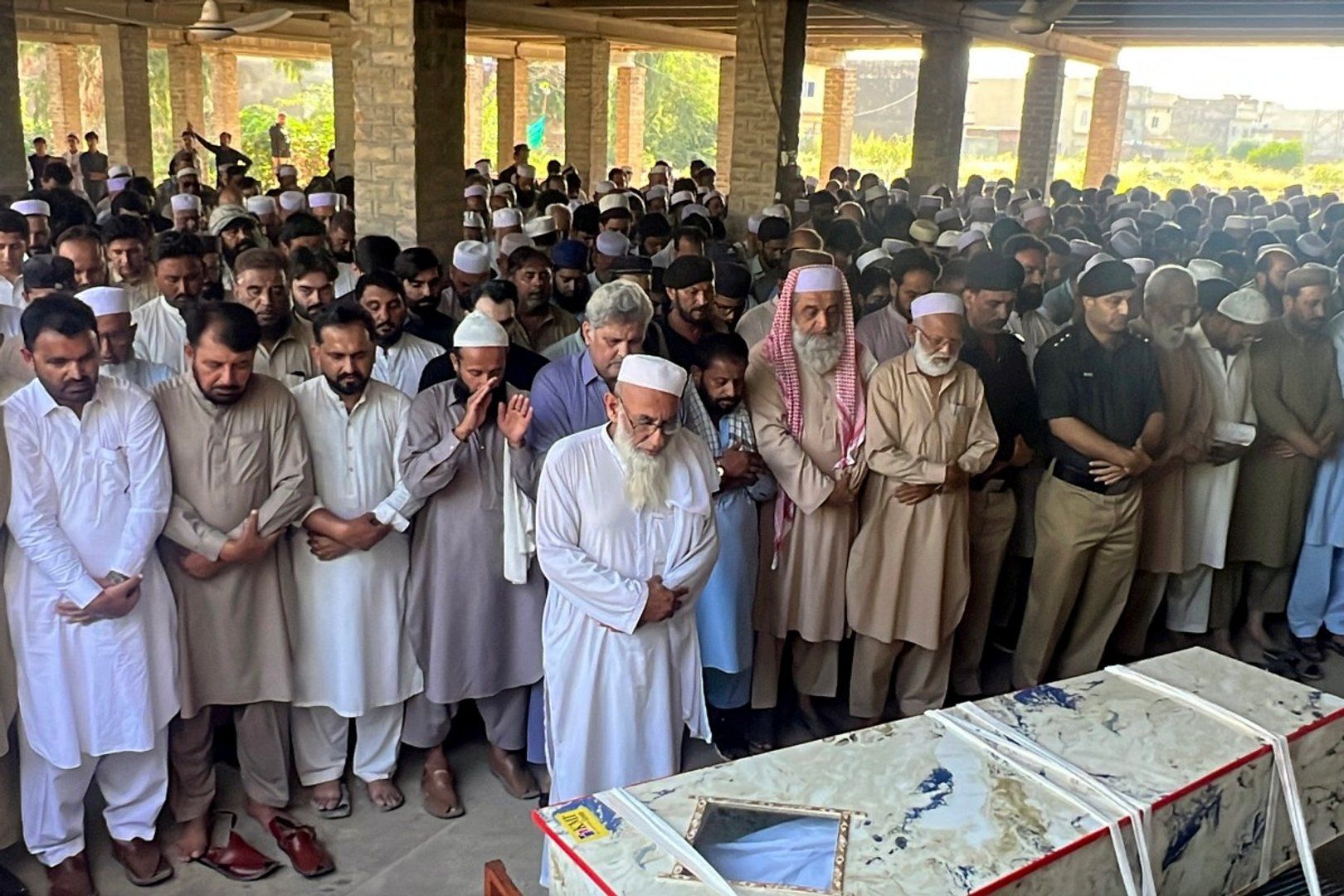
Tactical forces launched a 22-hour clearance operation. Police and counterterrorism units engaged the barricaded attackers through the afternoon and night. All seven to eight militants were killed during the siege. The mosque was badly damaged, and Al Jazeera reported funerals were held as the death toll climbed.
Casualty Count Rises as Hospitals Overwhelmed
Initial reports said 16 people died, but updated figures confirmed at least 31 fatalities, including 15 to 16 police officers and civilians. news9live reported over 100 people were wounded. Liaqat Memorial Hospital and DHQ Hospital received 103 injured patients. Officials said 34 were admitted, five required emergency surgery, and four critical patients were transferred to Peshawar.
Most of the wounded were worshippers caught in the mosque blast. Residents reported hearing the explosion from considerable distance away. District Health Officer Dr. Nasir Hussain coordinated emergency medical triage as rescue teams cleared the ruined complex through the night.
Pakistan Blames Taliban Safe Havens Across Border
President Asif Ali Zardari condemned the attack and called for the "complete elimination" of the Pakistani Taliban and militants allegedly operating with foreign backing. The Kabul Tribune reported that Pakistan demanded Afghanistan's Taliban authorities take action against militant networks operating from Afghan territory. Islamabad frequently accuses militants of sheltering in eastern Afghanistan since the Taliban took power in Kabul in 2021.
The attack came one day after a roadside bomb killed six Pakistani soldiers in neighboring Hangu district. Pakistani forces conducted counterterrorism raids across the region the previous day, killing 10 suspected TTP fighters. The cycle of strikes and counterstrikes reflects worsening insecurity near the Afghan border and frayed relations between Islamabad and Kabul.
Fractured Militant Groups Claim and Deny Responsibility
The mainstream Tehreek-e-Taliban Pakistan, or TTP, denied involvement in initial accounts. However, Scroll.in reported that a splinter alliance called Ittehad-ul-Mujahideen Pakistan—comprising the Hafiz Gul Bahadur group and other factions—claimed responsibility. The distinction highlights fractures within Pakistan's militant landscape and makes attribution complicated for investigators.
Afghanistan's Taliban Foreign Ministry rejected accusations that militants operate from Afghan soil and condemned attacks on religious sites. Security analysts noted that targeting the Special Branch and counterterrorism offices indicates a calculated effort to cripple intelligence gathering along the frontier. The assault ranks among the deadliest attacks on a police facility in Khyber Pakhtunkhwa in recent years.
Sentiment
Mostly NegativeNEGATIVENEUTRALPOSITIVE
Publishers
87
Articles
262
Reach
349
A
AnonymousAuthor