Asian Games Preparation Funding
India Reports Rs 800 Crore Spending for Upcoming Asian Games Contingent
Anonymous
Key Points
1
Of the Rs 702.86 crore spent through the Annual Competition and Training Calendar, Rs 251.4 crore—about 36%—went toward international competition exposure, more than twice the Rs 118.3 crore allocated to domestic training camps.
2
The 501-member contingent includes 265 support staff—nearly 52% of the athlete strength—making the size of the delegation a potential source of scrutiny alongside the spending.
3
TOPS CEO N. S. Johal said the ministry’s Target Asian Games Group had held nine coordination meetings since January to support athletes despite administrative problems in several federations.
4
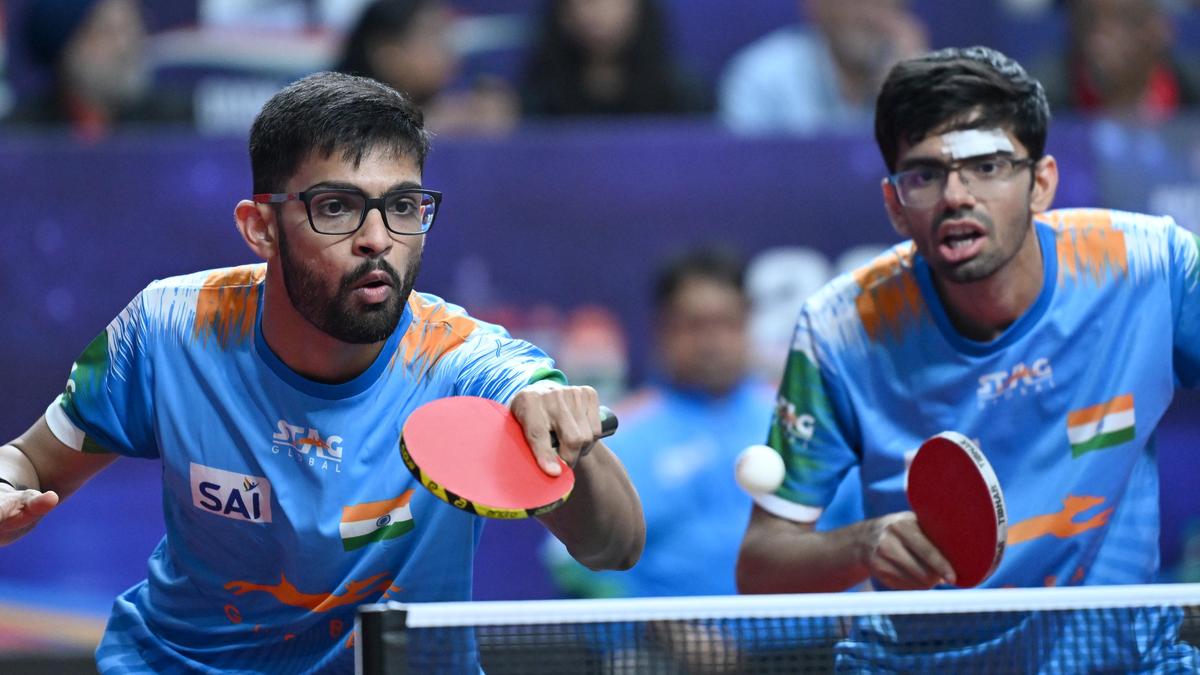
Among the highlighted young competitors is 15-year-old cricket player Vaibhav Sooryavanshi, who is not funded by the Sports Ministry; other prospects include paddler Syndrela Das and judoka Asmita Dey, the first Indian to win Commonwealth Games gold in judo.
5
India’s 106 medals at Hangzhou comprised 28 gold, 28 silver and 40 bronze, but the subsequent Paris Olympics produced six medals—one short of the country’s best Olympic haul of seven at Tokyo—adding to the pressure surrounding the Asian Games investment.
India is spending roughly Rs 800 crore to prepare for the Aichi-Nagoya Asian Games, betting on a large contingent and deep investment to match or beat its 106-medal haul from Hangzhou. The Sports Ministry allocated Rs 702.86 crore through its main training calendar, plus Rs 97.84 crore from the Target Olympic Podium Scheme, according to Khel Now. The spending reflects a shift toward building lasting competitive systems rather than preparing for a single event.
The 501-member delegation—including 265 support staff—brings fresh talent alongside proven athletes. The contingent includes 310 event debutants and 65 athletes from the Khelo India program, showcasing a youth-focused strategy that extends beyond today's competition.
International Exposure Gets the Largest Budget Share
Of the Rs 702.86 crore spent through the Annual Competition and Training Calendar, Rs 251.4 crore—roughly 36%—funded international competition exposure. This dwarfs the Rs 118.3 crore spent on domestic training camps, according to Khel Now. The strategy prioritizes overseas tournament experience over home-based preparation.
Youth Talent and Breakthrough Performers Leading the Charge
India's delegation highlights promising young athletes like 15-year-old cricket player Vaibhav Sooryavanshi and squash player Anahat Singh. Judoka Asmita Dey, the first Indian to win Commonwealth Games gold in judo, joins paddler Syndrela Das in offering fresh medal hopes, according to The Hindu Sportstar.
Two-time Olympic medallist Manu Bhaker leads a 30-member shooting squad, aiming to break the record set at Hangzhou 2022. The inclusion of experienced athletes alongside debutants reflects a balanced roster designed to compete across 36 sports.
Support Staff Size Raises Questions About Spending Efficiency
The delegation's 265 support staff account for nearly 52% of the total contingent strength, making the ratio unusually high. This large support structure has drawn scrutiny from observers questioning whether such heavy investment will translate into medals.
TOPS CEO N. S. Johal said the ministry's Target Asian Games Group held nine coordination meetings since January to bolster athletes despite ongoing administrative disputes within sports federations, according to Khel Now. The heavy staffing suggests efforts to overcome internal organizational challenges.
Paris Olympics Setback Raises Pressure for Strong Results
India's Paris Olympic performance—just six medals, falling one short of Tokyo's seven—has intensified expectations for the Asian Games. The contrast with Hangzhou's 106 medals (28 gold, 28 silver, 40 bronze) adds pressure on the Rs 800 crore investment to deliver visible returns. Officials have positioned the Asian Games as a stepping stone toward Olympic success.
Sentiment
Mostly PositiveNEGATIVENEUTRALPOSITIVE
Publishers
17
Articles
7
Reach
24
A
AnonymousAuthor