Crab Exports Boom
Italian Fishermen Turn Invasive Blue Crabs Into a Lucrative Export Industry
Anonymous
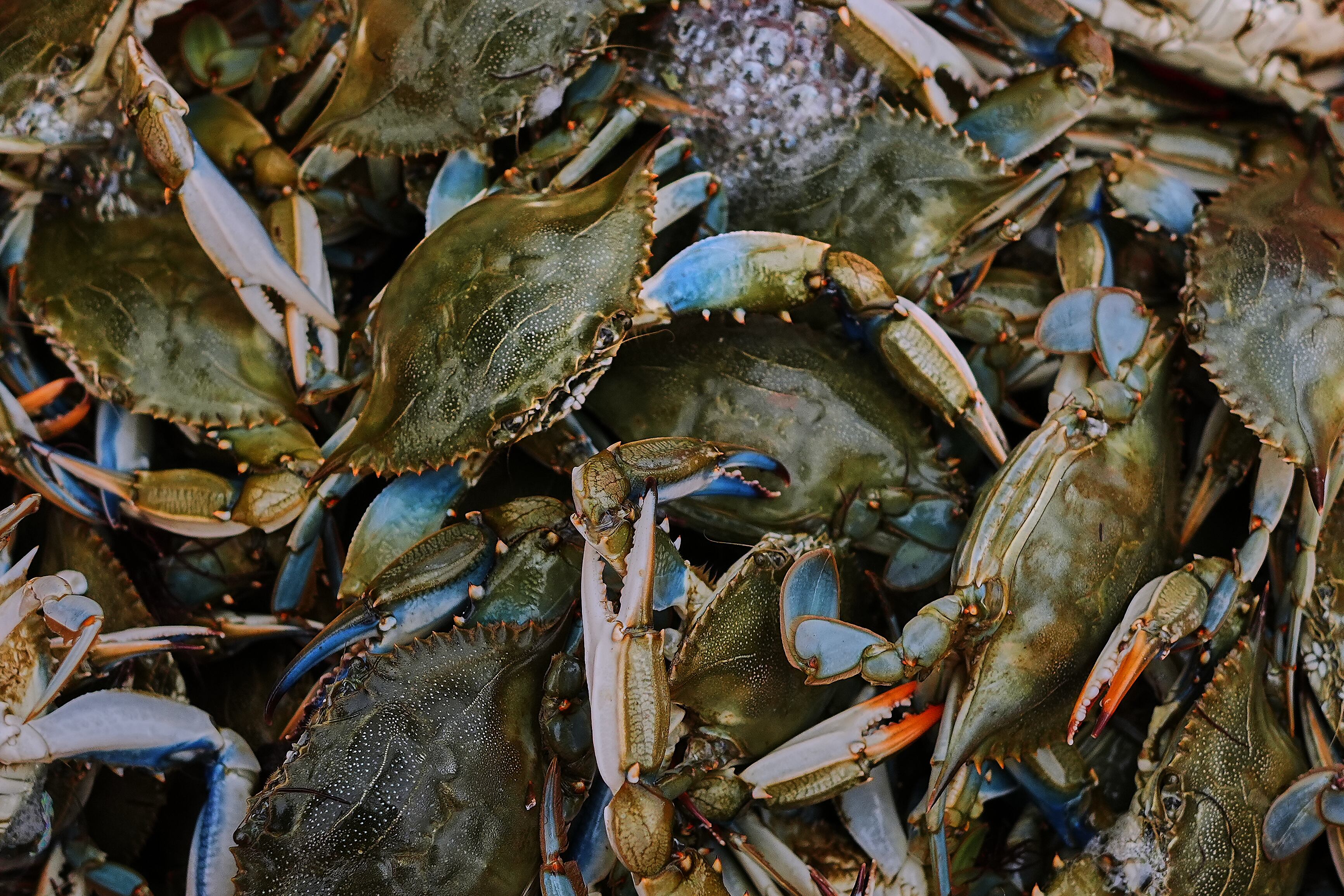
Italian fishermen have struck an unlikely deal with an invasive enemy: instead of fighting Atlantic blue crabs that destroyed their Manila clam fisheries, they're now exporting millions of them to international markets AP News. The crabs, which Italians refuse to eat, have become a source of revenue rather than pure loss. The Italian government paid fishermen to catch and burn nearly 2.3 million kilograms of crabs over two years, but now the consortium is selling every crab it catches Click On Detroit.
Crabs Invade and Destroy Italy's Beloved Clams
Atlantic blue crabs arrived in the Adriatic Sea decades ago, traveling in ballast water from commercial ships starting in the 1940s AP News. For years, Italians ignored them. Then climate change shifted the equation. Warmer water and changing salinity levels made conditions perfect for the crabs to breed. Suddenly, their populations exploded, and they began eating the Manila clams that Italian fisheries had depended on for generations Click On Detroit.
From Eradication to Export Gold Mine
In 2024, Italy launched an official eradication program, paying fishermen to catch and incinerate the crabs AP News. The plan was simple: eliminate the invaders. But then the strategy shifted. Instead of burning millions of crabs, fishermen began looking for buyers. Markets opened in Asia and Europe. The consortium that oversees the effort has already sold every crab it caught this year and projects 20 million euros — roughly $23 million — in revenue Click On Detroit.
A Desperate Solution That's Saving Livelihoods
For many Italian fishermen, the export trade came just in time. Their traditional Manila clam harvests had collapsed, leaving them broke and desperate. Now, catching blue crabs offers steady income and keeps boats operational AP News. While Italians still won't eat the invader themselves, selling it abroad has proven far better than watching it destroy their industry. The crabs may never be welcomed in Italy, but they've become an unexpected lifeline Click On Detroit.
Sentiment
NeutralNEGATIVENEUTRALPOSITIVE
Publishers
4
Articles
5
Reach
5
A
AnonymousAuthor


