Italy's Nuclear Reversal
Italy Reintroduces Nuclear Power, Facing Generational Divide Four Decades After Chernobyl
Anonymous
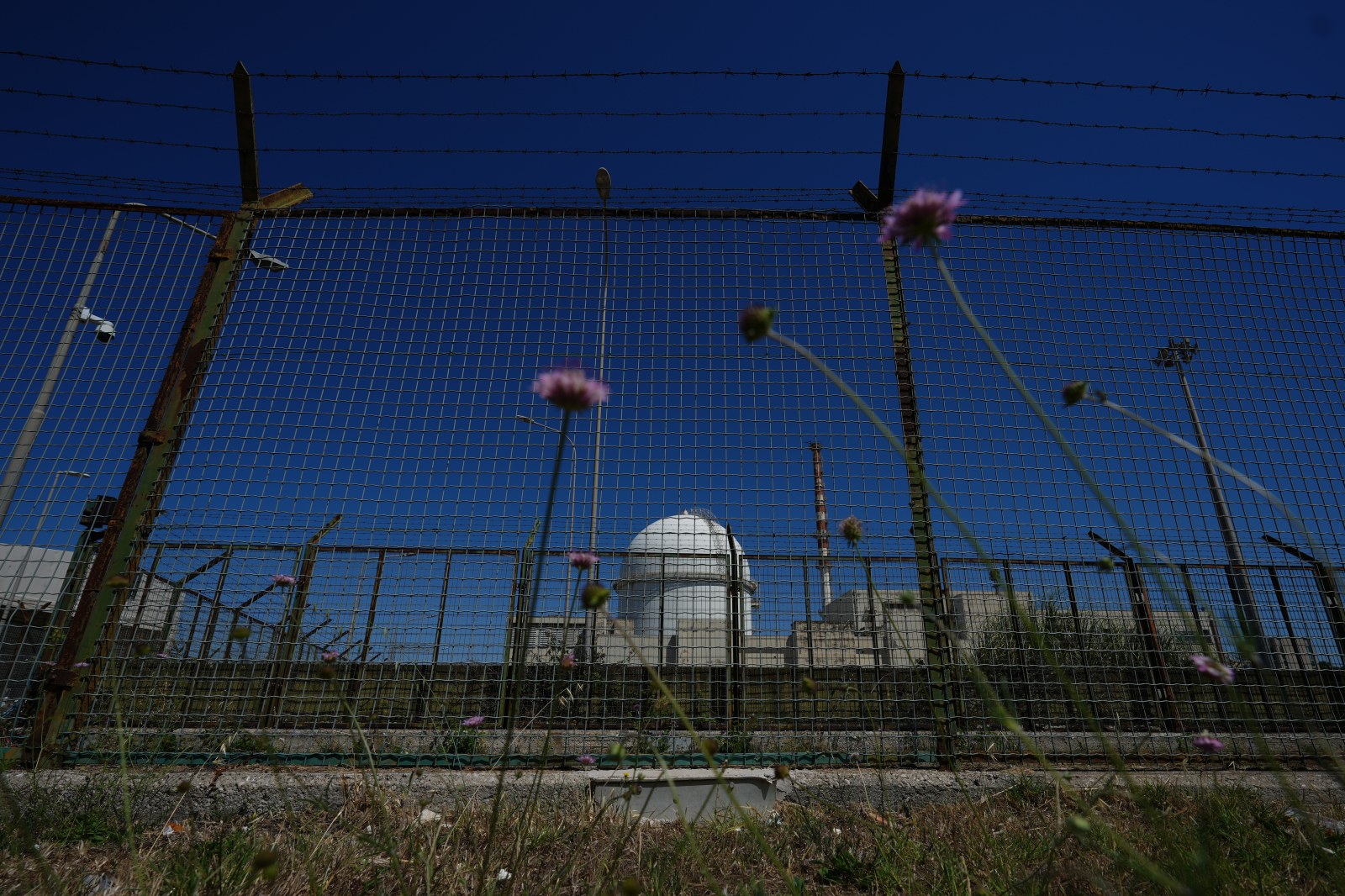
Italy is on the verge of a historic energy reversal. Nearly 40 years after abandoning nuclear power in the wake of the 1986 Chernobyl disaster, Premier Giorgia Meloni's government is set to pass legislation next week establishing a legal framework for next-generation nuclear technology, according to Newsday.
The push marks one of Europe's most ambitious energy policy U-turns. But it is also exposing a sharp divide between older Italians who remember Chernobyl's fallout and younger generations who see atomic energy as a climate solution, Winnipeg Free Press reported.
Parliament Set to Vote on Nuclear Framework Next Week
The Italian government is sponsoring legislation that would create the legal groundwork needed to bring nuclear power back to the country. The bill focuses on small modular reactors, or SMRs — compact, factory-built reactors that are cheaper and faster to build than traditional nuclear plants. Supporters say SMRs are also safer and more flexible, according to WRAL.
Officials argue that rising energy costs and the war in Ukraine have exposed Italy's vulnerability to volatile fossil fuel markets. Nuclear power, they say, offers stable, low-carbon electricity to reduce that dependence. Italy currently imports about 15% of its electricity from neighboring countries, including France, which runs largely on nuclear energy, KDH News reported.
Chernobyl's Shadow Still Looms Over Older Italians
Italy held a referendum in 1987 — just one year after Chernobyl — and voted overwhelmingly to shut down all four of its nuclear plants. The country held a second referendum in 2011, after Japan's Fukushima disaster, and again rejected nuclear power. Both votes reflected deep public fear of atomic energy, according to The Messenger.
For many Italians who lived through those events, the fear has not faded. The memories of radioactive clouds drifting across Europe in 1986 remain vivid. Overcoming that historical trauma is seen as one of the biggest political challenges facing Meloni's government as it tries to rebuild public support for nuclear energy, Newsday noted.
Younger Italians View Nuclear Power as a Climate Tool
Polling shows a generational split in how Italians view nuclear power. Younger Italians — those who did not grow up watching Chernobyl unfold on television — are far more open to atomic energy. Many see it as a practical way to cut carbon emissions and lower electricity bills, which in Italy are among the highest in Europe, Yahoo News reported.
Advocates argue that new nuclear technology is fundamentally different from the Soviet-era reactor that failed in 1986. SMRs use passive safety systems that can shut down without human intervention. Supporters say this new generation of reactors deserves to be judged on its own merits, not on the disasters of the past, according to WRAL.
Italy's Energy Security Drives the Nuclear Revival Push
Russia's invasion of Ukraine in 2022 sent European energy prices soaring and forced Italy to scramble for alternative gas supplies. That crisis gave Meloni's government a powerful argument for energy independence. Nuclear power, officials say, would reduce Italy's reliance on imported fossil fuels and give the country more control over its electricity supply, The Messenger reported.
If the legislation passes next week, Italy will join a growing list of European countries reconsidering nuclear power, including Poland, the Netherlands, and Sweden. The actual construction of any SMRs, however, remains years away. The new law would only set the rules — building plants would come later, KDH News noted.
Sentiment
NeutralNEGATIVENEUTRALPOSITIVE
Publishers
6
Articles
6
Reach
6
Topics
A
AnonymousAuthor


