Preserving Diplomatic Dialogue
U.S.-China Summit Expected to Preserve Dialogue Amid Deep Distrust and Trade Tensions
Anonymous
Key Points
1
U.S. Treasury Secretary Scott Bessent said he was open to discussing “shared risks” from artificial intelligence with Beijing before the summit, although analysts remain skeptical that the two countries can agree on AI rules.
2
The summit was reportedly put at risk by tensions over Taiwan, with Chinese President Xi Jinping threatening to call off the meeting during a recent escalation.
3
A limited understanding reached in South Korea last October has shown signs of weakening: China’s rare-earth exports have fallen in recent months, and Beijing added two U.S. rare-earth companies to its export-control list in June.
4
Past commitments continue to weigh on expectations, including the first-term “phase one” agreement, under which China did not fully honor pledges on market access and purchases of U.S. goods; a separate 2025 soybean-purchase agreement also remains dependent on Beijing following through.
5
A Foreign Affairs analysis argued that earlier U.S.-China breakthroughs depended on unusually favorable conditions and leaders with strong diplomatic acuity—circumstances the publication said are less favorable today.
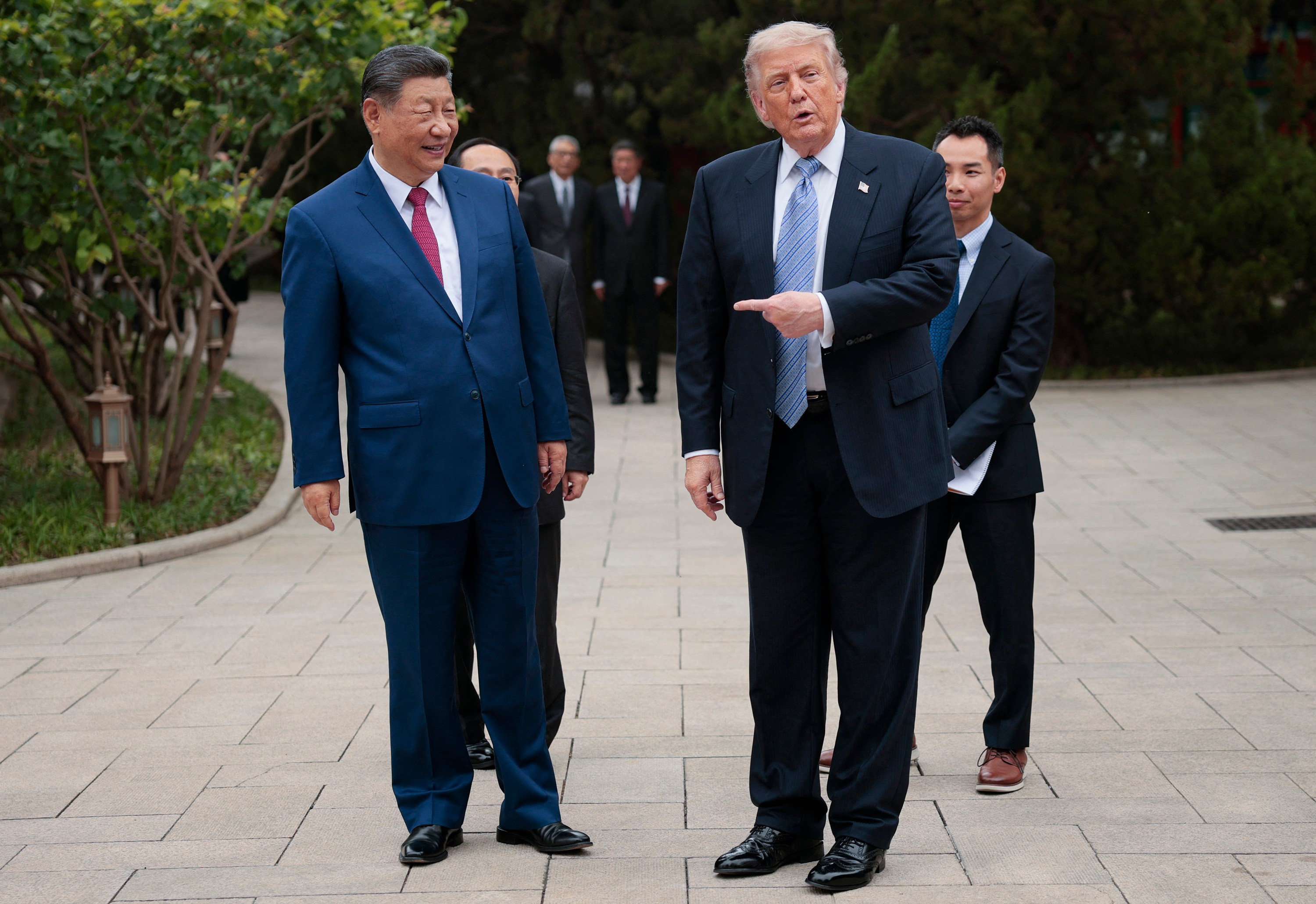
President Donald Trump and Chinese President Xi Jinping are preparing for a summit in Washington with muted expectations. Yahoo Finance reports that AI concerns and tariffs will be on the agenda, but analysts see little chance of major breakthroughs. Deep mistrust, Taiwan tensions, and a history of broken promises have left both sides focused on keeping leverage rather than striking real deals.
The meeting's real value may be purely symbolic: showing that U.S.-China dialogue can still happen and preventing further escalation. Pilot Online notes that logistical issues—unresolved briefing materials, seating disputes, and delegation makeup—have already complicated preparations. Even success could mean little more than both countries agreeing to keep talking.
AI Regulation Talks Face Skepticism
Before the summit, U.S. Treasury Secretary Scott Bessent signaled openness to discussing artificial intelligence risks with Beijing. Yahoo Finance reported that AI coordination and the pace of frontier AI models are expected topics. But experts remain doubtful the two countries can agree on meaningful AI rules, given their competing economic and security interests.
Taiwan Tensions Nearly Derailed the Meeting
The summit nearly collapsed over disagreements on Taiwan. Chinese President Xi Jinping reportedly threatened to cancel the meeting during a recent escalation over the self-governed island. Tensions eased enough for preparations to resume, but Taiwan remains a major flashpoint that could undermine any agreement reached during the talks.
Past Commitments Already Showing Cracks
Earlier understandings between the two countries are already weakening. China's rare-earth exports have fallen in recent months, and Beijing added two U.S. rare-earth companies to its export-control list in June. A limited agreement reached in South Korea last October appears fragile, casting doubt on Beijing's willingness to honor new pledges.
The pattern goes back further. During Trump's first term, a "phase one" trade deal saw China fail to fully honor market-access promises and purchase commitments. A separate 2025 soybean-purchase agreement remains uncertain—Beijing has not confirmed it will follow through. These broken or diluted commitments now shape both countries' low expectations for this summit.
Favorable Conditions for Real Breakthroughs Are Missing
Earlier U.S.-China diplomatic victories required unusual circumstances and skilled negotiators. Those conditions no longer exist. Deep mistrust, competing strategic goals, and political pressure at home make both leaders reluctant to make major concessions. The result is a summit designed mainly to avoid disaster rather than achieve lasting progress.
Sentiment
Mostly NegativeNEGATIVENEUTRALPOSITIVE
Publishers
17
Articles
71
Reach
88
A
AnonymousAuthor


