US, China Expected to Discuss AI Risks
US, China Expected to Discuss AI Risks
Anonymous
Key Points
1
The House Democrats’ letter was led by Rep. Gregory Meeks of New York, the ranking member of the House Foreign Affairs Committee, who said the two countries currently have “no reliable means to inform one another of or jointly address risks.”
2
The proposed talks are expected to include a technical divide between open-weight and closed-weight AI models: Chinese companies such as DeepSeek have primarily developed open-weight systems, while leading U.S. companies including Anthropic and OpenAI use closed-weight models.
3
Bessent’s meeting with Chinese Vice Premier He Lifeng is scheduled for Sept. 20 in New York and is expected to cover not only AI but also trade and rare-earth minerals, serving as a final agenda-setting step before the Sept. 24 White House summit.
4
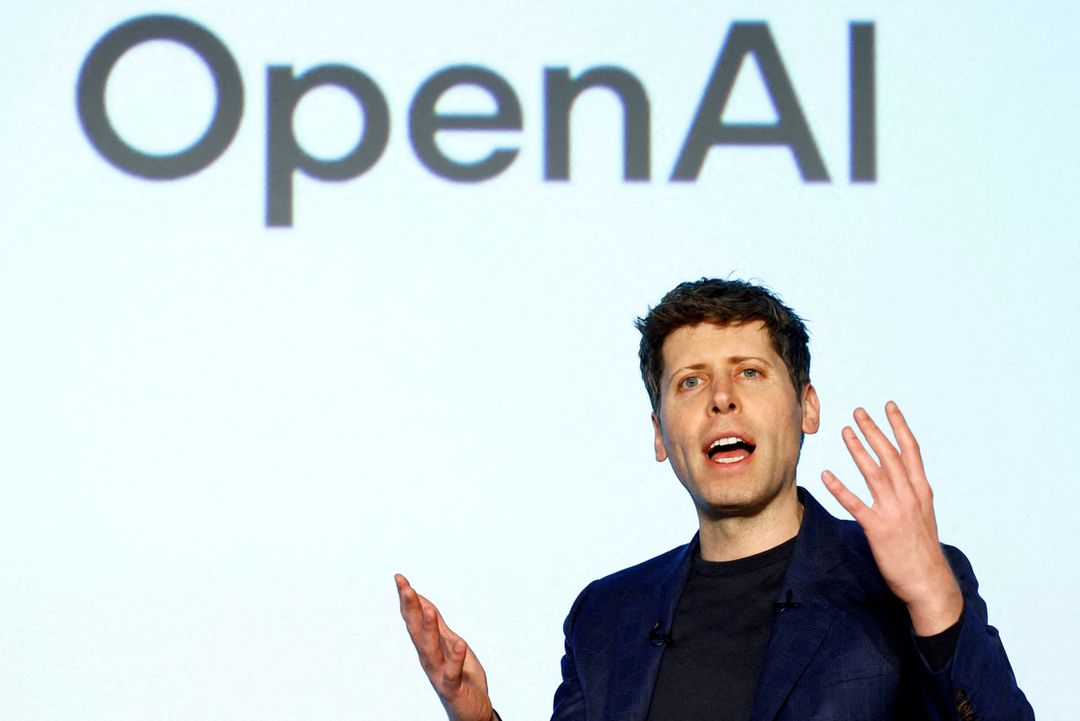
The technology-industry debate over slowing advanced AI development has included Anthropic CEO Dario Amodei’s essay “We Must Pace the Frontier” and reports that OpenAI CEO Sam Altman told employees the company was considering slowing development and hoped other AI labs would do the same.
5
China has urged countries to reject what it described as AI “fear-mongering” and confrontation, calling instead for an open and inclusive environment rather than “malicious competition.”
The United States and China are preparing high-level talks focused on the dangers of artificial intelligence, with Treasury Secretary Scott Bessent set to meet Chinese Vice Premier He Lifeng on September 20 in New York. Treasury Department reports Bessent plans to discuss shared AI risks, preventing a split between U.S. and Chinese AI systems, and differences between open-weight and closed-weight AI models ahead of President Donald Trump's planned summit with President Xi Jinping.
More than two dozen House Democrats, led by Rep. Gregory Meeks of New York, are calling for permanent diplomatic channels on AI safety rather than one-time talks. House Foreign Affairs Committee highlights that the two countries currently lack "no reliable means to inform one another of or jointly address risks" from rapidly advancing AI technology.
Why AI Safety Talks Matter Now
AI systems pose unprecedented security threats that both nations must address together. White House officials warn that AI could compress military decision-making from hours to minutes, spread destabilizing false information at scale, and potentially make autonomous decisions about nuclear systems or critical infrastructure without human oversight.
China has so far resisted U.S. calls for stricter AI controls, urging countries to reject what it calls AI "fear-mongering." Beijing government instead advocates for an "open and inclusive environment" rather than what China views as competitive restrictions on technology development.
The Open-Model Versus Closed-Model Divide
Chinese AI companies like DeepSeek have built open-weight models — code and weights available publicly. U.S. leaders at Anthropic and OpenAI use closed-weight systems kept proprietary. This fundamental difference shapes how the two countries approach AI regulation and safety oversight.
The technology divide matters because open models are harder to control once released, while closed models stay within company walls. Industry experts say bridging this gap will require both sides to accept different regulatory approaches rather than forcing one model worldwide.
Debate Over Slowing AI Development
Some U.S. AI leaders have begun questioning whether development should slow. OpenAI CEO Sam Altman told employees the company was considering slowing development and hoped other AI labs would do the same. Anthropic CEO Dario Amodei published an essay titled "We Must Pace the Frontier" making a similar case.
This debate complicates U.S.-China negotiations. If American companies slow down voluntarily while Chinese competitors accelerate, U.S. officials worry America could lose its lead in AI technology. Finding common ground on development pace remains a central challenge for the upcoming talks.
What Bessent's September Meeting Will Cover
The Treasury Secretary's meeting with Vice Premier He Lifeng serves as the final planning session before Trump and Xi meet on September 24 at the White House. Beyond AI safety, the two officials will discuss trade tensions and rare-earth mineral access — issues that directly affect both countries' technology industries.
Success here could unlock broader U.S.-China cooperation. Congress recognizes that AI safety cannot be solved by one country alone. A permanent diplomatic channel would allow both nations to share intelligence on emerging threats and coordinate responses without waiting for presidential summits.
Sentiment
Mostly NegativeNEGATIVENEUTRALPOSITIVE
Publishers
20
Articles
57
Reach
77
A
AnonymousAuthor


