Modified and Collectible Chevrolet Builds Draw Attention
Modified and Collectible Chevrolet Builds Draw Attention
Anonymous
Key Points
1
The modified 2019 Camaro had approximately 11,500 miles and retained its factory 10-speed automatic transmission, while power was delivered through 18-inch Forgeline front wheels, 15-inch rear beadlocks and Mickey Thompson ET Street R tires.
2
The Camaro’s 936 rear-wheel horsepower came from extensive upgrades including a Kong Performance-ported supercharger, Katech 103-mm throttle body, larger pulleys, methanol injection, a cam kit, flex-fuel system, ECU and transmission tuning, upgraded headers and an ice-tank-equipped cooling system.
3
Market data cited for first-generation Chevrolet Malibu models covered 102 sales totaling more than $6.1 million, with prices ranging from $12,000 to $275,000, an average of $59,666 and a most recent sale of $47,300.
4
The Chevelle underwent a comprehensive 2013 refurbishment that included replacement fender, doors and quarter panels, plus a detailed engine bay with flame-etched air-cleaner and valve covers, polished panels, and white-vinyl front and rear bench seats.
5
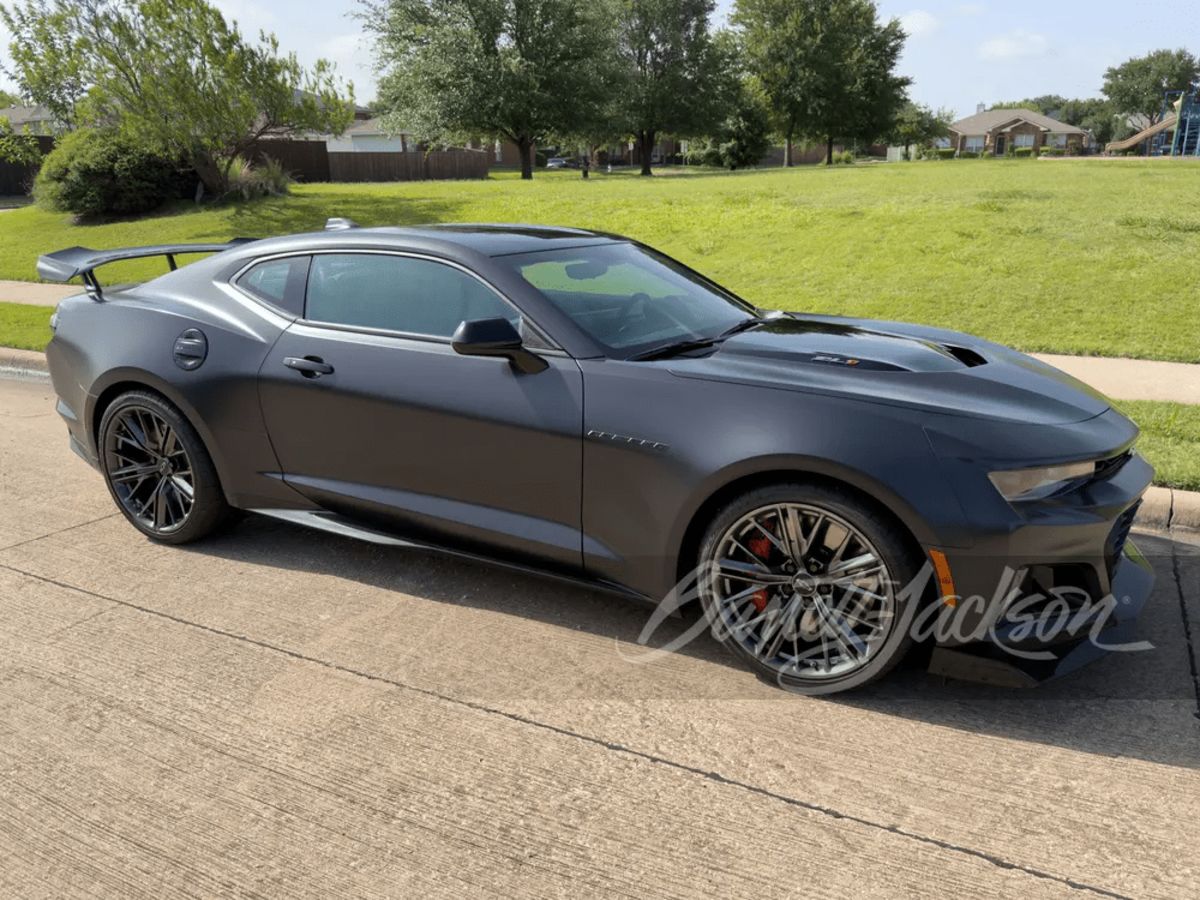
Chevrolet produced 350 Camaro ZL1 Collector’s Editions worldwide, including the 300-car U.S. allocation; each featured Panther Black Matte paint, numbered exterior and interior identification, and the ZL1 1LE aerodynamic package in addition to the standard car’s 650-horsepower supercharged LT4.
The collector car market is buzzing with two contrasting Chevrolet builds that show the range of performance possibilities. A heavily modified 2019 Camaro ZL1 with 936 rear-wheel horsepower just ran a 9.311-second quarter-mile at 147.57 mph, while a vintage 1965 Chevelle Malibu with a 502-cubic-inch V8 and Tremec five-speed manual represents the restomod trend. Yahoo Autos reports both vehicles highlight different paths for Chevrolet enthusiasts seeking power and collectibility.
Meanwhile, a 2024 Camaro ZL1 Collector's Edition sold for $125,400 at Barrett-Jackson in Las Vegas, raising questions about factory-limited production creating lasting value. The sale was one of 300 U.S. units produced, each with numbered exterior and interior identification and original documentation.
Modified Camaro Delivers Extreme Performance on 11,500 Miles
The 2019 Camaro ZL1 auction candidate retains its factory 10-speed automatic transmission despite massive power gains. Yahoo Autos notes the car underwent extensive upgrades including a Kong Performance-ported supercharger, Katech 103-mm throttle body, methanol injection, cam kit, flex-fuel system, and ECU tuning. The result: 936 rear-wheel horsepower channeled through 18-inch Forgeline front wheels and 15-inch rear beadlocks shod in Mickey Thompson ET Street R tires.
The quarter-mile performance proves the build's capability: 9.311 seconds at 147.57 mph. An ice-tank-equipped cooling system and upgraded headers manage the extreme output. With only 11,500 miles on the odometer, the car raises a key question for buyers: does extensive modification hurt resale value or enhance performance cred?
Vintage Chevelle Showcases Restomod Craftsmanship and Demand
The 1965 Chevelle Malibu represents the opposite approach — vintage appeal with modern reliability. Yahoo Autos reports the car features a 502-cubic-inch V8 paired with a Tremec five-speed manual transmission. A comprehensive 2013 refurbishment included replacement fender, doors, and quarter panels, plus a detailed engine bay with flame-etched air cleaner and polished valve covers.
The interior boasts white-vinyl front and rear bench seats with a two-tone exterior finish. First-generation Chevrolet Malibu market data shows strong collector interest: 102 sales totaled more than $6.1 million, averaging $59,666 per car. Prices ranged from $12,000 to $275,000, with the most recent comparable sale at $47,300.
Factory Scarcity Experiment: Does Limited Production Drive Lasting Value?
The 2024 Camaro ZL1 Collector's Edition sold for $125,400 at Barrett-Jackson's Las Vegas auction in 2024. Yahoo Autos highlights that Chevrolet produced only 300 units for the U.S. market, each numbered and documented with Panther Black Matte paint. All 350 worldwide units came with the ZL1 1LE aerodynamic package and 650-horsepower supercharged LT4 engine.
The $125,400 sale price exceeded the vehicle's original manufacturer's suggested retail price, suggesting limited production can boost value short-term. However, questions linger about whether factory-planned scarcity creates lasting collectible appeal or merely captures initial enthusiasm. Final prices depend on fees, financing, incentives, condition, and local market factors.
Sentiment
Mostly PositiveNEGATIVENEUTRALPOSITIVE
Publishers
18
Articles
1
Reach
19
A
AnonymousAuthor


