Deadly Border Checkpoint Attack
Russian Strike Drones Hit Ukraine Border Crossing Near Moldova, Causing Casualties
Anonymous
Key Points
1
The attack occurred overnight on Sept. 9, 2026, according to Ukrainian reporting.
2
Ukraine’s State Emergency Service said that people who were on the checkpoint’s premises were killed, while others were injured.
3
The strike was not the first Russian attack on border infrastructure in Odesa Oblast: Russia had previously targeted the Orlivka crossing on the border with Romania, temporarily halting its operations.
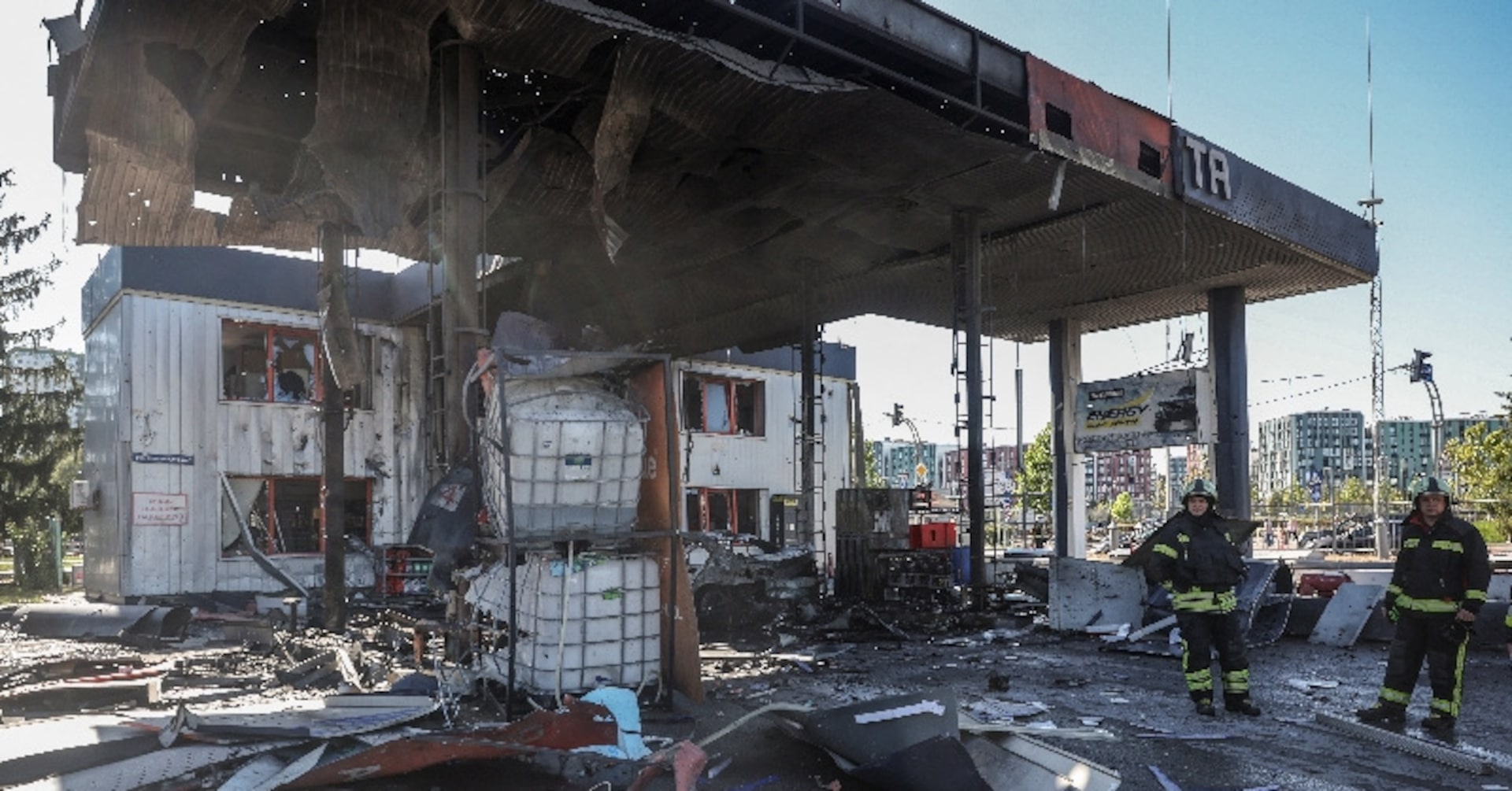
Russian strike drones attacked the Starokozache international border crossing in Ukraine's Odesa region overnight on September 9, killing at least 2 civilians and wounding 3 others, according to Ukraine State Border Guard Service. The assault hit checkpoint infrastructure and sparked fires near the Moldova border. Processing of people and vehicles was temporarily suspended while emergency crews evacuated 16 individuals and contained the flames.
The attack marks the fifth Russian strike on western Ukrainian border crossings in Odesa Oblast since late August, part of a broader campaign to disrupt logistics routes and supply lines sustaining Ukraine's wartime economy. Moldovan President Maia Sandu condemned the strike on social media, warning that Russia's aerial campaign is pushing conflict closer to NATO and EU territory.
Russia's Escalating Strikes on Border Crossings
Since late August 2026, Russian forces have systematically targeted five border checkpoints in Odesa Oblast, with four positioned along the Ukraine-Moldova frontier and one on the Romanian border, according to Ukraine State Border Guard Service. The Orlivka crossing on the Ukrainian-Romanian border was hit twice in early September, forcing temporary operational shutdowns both times.
These crossings lie far from active combat zones but handle crucial commercial traffic, humanitarian aid, and civilian movement. Andrii Demchenko, spokesperson for Ukraine's border service, stated that Russian forces aim to disrupt logistics routes and described the attacks as civilian terrorism targeting infrastructure that sustains Ukraine's economy.
Spillover Risk as Drones Enter Moldovan Airspace
Russia's drone operations increasingly breach Moldovan airspace despite Moldova's neutral status. On September 8 alone, a Russian drone entered Moldova's airspace from Ukraine, forcing Chisinau to temporarily close its national airspace before the aircraft crashed inside Moldova after crossing into Romanian territory.
Moldovan Prime Minister Vasile Tofan reported that 17 Russian drones entered Moldovan airspace during August 2026 alone. These violations alarm Western allies about escalating conflict spillover into non-belligerent European states, raising the risk of accidental miscalculation along NATO's eastern flank.
Disagreement Over Military Purpose at Civilian Checkpoint
Russia's Defense Ministry claimed the Starokozache checkpoint was a legitimate military target because it allegedly handles military cargo deliveries into Ukraine. The Kremlin framed the strike as justified action against supply infrastructure supporting Ukraine's armed forces.
Moldova's Ministry of Foreign Affairs flatly rejected Moscow's justification as false, emphasizing that the civilian border crossing processes only passenger and commercial traffic — no military transport. Ukrainian officials similarly denied the allegation, characterizing the attack as intentional targeting of civilians to terrorize the population and disrupt humanitarian movement.
International Calls for Expanded Air Defense
President Volodymyr Zelenskyy condemned the attack on social media, stating there has been too little international response to Russia's drone and missile terror campaign. He warned that Moscow should not enter winter with confidence it will escape consequences for civilian strikes.
Security analysts note that strikes directly on NATO-adjacent and EU borders intensify pressure on Western allies to expand air-defense systems to western Ukraine. The escalation underscores the risk that Russia's aerial campaign could trigger wider regional instability affecting neighboring democracies already absorbing Ukrainian refugees and war impacts.
Sentiment
Mostly NegativeNEGATIVENEUTRALPOSITIVE
Publishers
54
Articles
167
Reach
221
A
AnonymousAuthor


