CFTC Seeks Dismissal of CME Crypto Perpetuals
CFTC Seeks Dismissal of CME Crypto Perpetuals
Anonymous
Key Points
1
The CFTC described CME's lawsuit as 'much ado about nothing,' arguing CME lacks standing due to an absence of a concrete injury from the Kalshi BTC perpetual futures approval.
2
Kalshi's BTCPERP contract is based on Bitcoin's spot price and is traded on Kalshi as a futures product, according to the regulator's framing.
3
The CFTC notes that its May 29 framework extends beyond Bitcoin to all digital commodities with deep, active, and continuous spot markets, signaling a broad regulatory scope.
4
CME is seeking vacatur of a CFTC policy statement that allows designated contract markets to list similar digital-asset perpetuals as futures, highlighting the procedural scope of the dispute beyond Kalshi's BTCPERP.
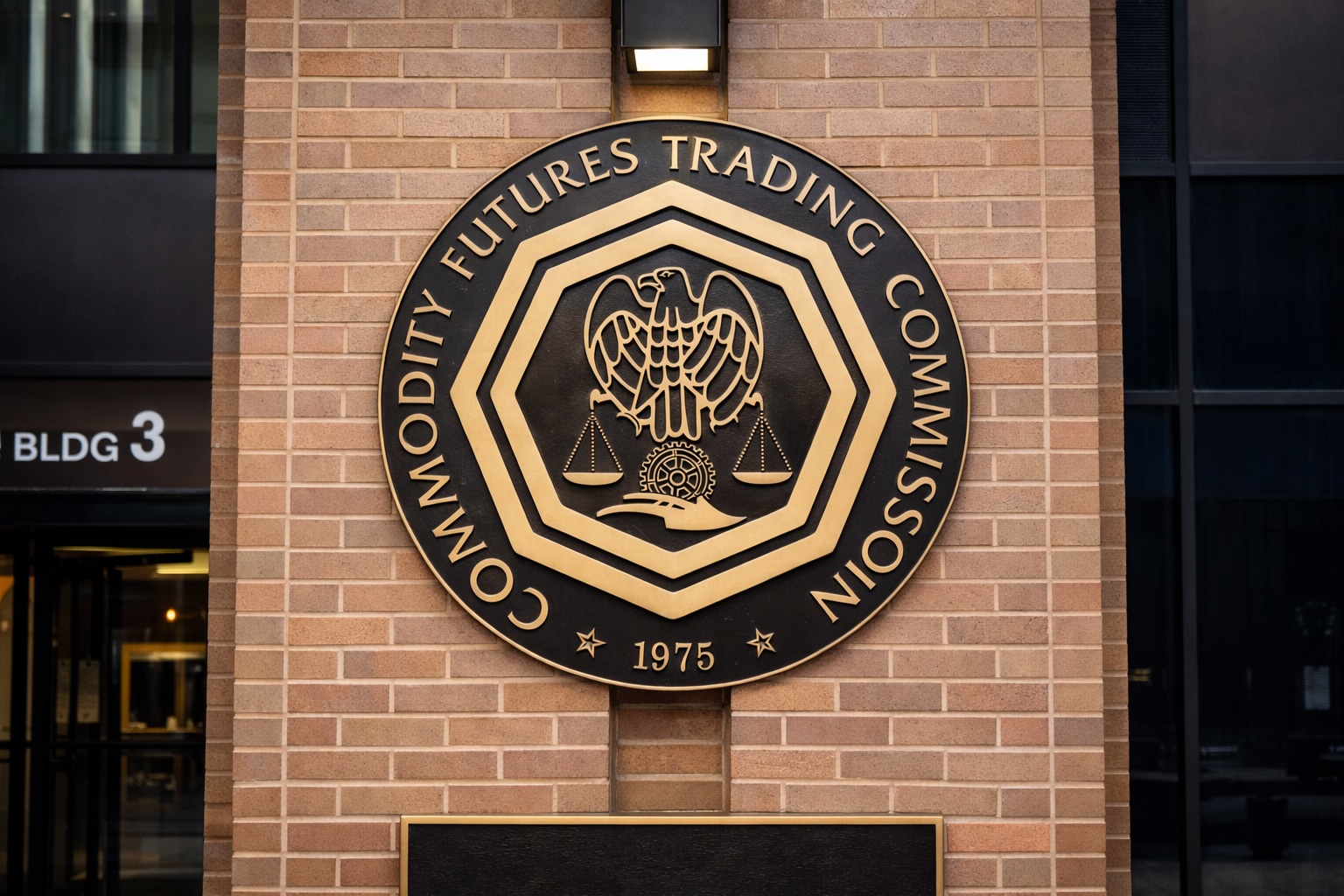
The CFTC has asked a federal court to dismiss CME Group's lawsuit challenging crypto perpetual futures approvals, claiming CME lacks legal standing and has no concrete injury to show. Cointelegraph reported the regulator called the suit "much ado about nothing," arguing that CME could have listed the same Bitcoin perpetual contracts itself—making any competitive harm self-inflicted.
The dispute centers on how to classify crypto perpetuals under federal commodity law: as futures or swaps. Crowdfund Insider notes the CFTC maintains perpetuals are futures, and the case could reshape how other exchanges list digital-asset contracts. A federal judge must now decide whether CME has the right to challenge the May 29 framework that opened the door to these listings.
CME's Standing Problem
CME argues the CFTC's approval of Kalshi's BTCPERP contract harms its business. But Coinmarketcap reports the CFTC counters that CME had the option to list identical perpetuals itself. Because CME chose not to, the regulator says any loss of market share is CME's own doing, not a direct injury from CFTC action. This distinction matters for legal standing—courts require plaintiffs to show harm caused by the defendant, not self-imposed competitive disadvantage.
Perpetuals Are Futures, Not Swaps
The CFTC's core argument hinges on product classification. According to Cointelegraph, the regulator asserts that Kalshi's Bitcoin perpetual, which tracks spot price, is a futures contract—not a swap. Under the Commodity Exchange Act and Dodd-Frank, futures and swaps face different rules. If perpetuals are futures, they can trade on designated contract markets like Kalshi. If they're swaps, tighter restrictions apply. The judge must review the administrative record to weigh this technical distinction.
A Broad Framework Beyond Bitcoin
The May 29 CFTC framework extends well beyond Bitcoin. Headtopics notes the policy covers all digital commodities with deep, active, and continuous spot markets. This signals the regulator's ambition to open crypto perpetual listings across multiple assets and exchanges. CME's lawsuit seeks to vacate the entire policy statement, not just Kalshi's contract. If successful, CME would block a regulatory approach that could reshape the crypto derivatives market.
Other Exchanges Could List Similar Contracts
The CFTC argues that even if Kalshi keeps its approval, other venues could launch competing perpetual contracts. Coinmarketcap reports the regulator contends this means CME won't escape competitive pressure regardless of the court ruling. The logic: one denial doesn't eliminate the market pressure from multiple exchanges offering similar products. This undercuts CME's claim that stopping Kalshi would restore lost advantage, further weakening its standing to sue.
Sentiment
Mostly NegativeNEGATIVENEUTRALPOSITIVE
Publishers
15
Articles
34
Reach
49
A
AnonymousAuthor


