Measles Outbreak Spreads
Measles Cases Rise Across Multiple States as Health Officials Urge Vaccinations
Anonymous
Key Points
1
Kentucky’s 53 cases span all age groups: 22 cases involved adults 18 and older, 20 involved children ages 5 to 17, and 11 involved children younger than 5.
2
Kentucky’s cases largely emerged recently, with four illnesses beginning in January, nine in July, 33 in August and seven so far in September.
3
Kentucky health officials said measles can cause pneumonia, dehydration and, rarely, brain swelling; no measles-related deaths have been reported in the state this year.
4
Kansas reported that 4.46% of kindergarten students had vaccination exemptions during the 2025-26 school year, up from 2.12% in 2019-20; seven counties had measles vaccination rates below 75%, with Jewell County’s rate at 64.56%.
5
The Kansas Department of Health and Environment said measles activity was elevated nationally and globally; as of the cited Thursday, the CDC had recorded 3,471 U.S. cases across 46 states and the District of Columbia, with outbreaks accounting for 95% of cases.
Measles cases are spreading across the United States at alarming rates. As of mid-September, the CDC recorded 3,471 cases across 46 states and Washington, D.C., with Yahoo Health reporting over 3,400 confirmed cases. WRBL noted this marks the highest number of measles cases in over three decades. Kentucky alone has reported 53 cases this year, with 49 cases and seven hospitalizations documented by September 21, mostly among unvaccinated residents.
The outbreaks are hitting all age groups. In Kentucky, cases span from infants under 5 to adults over 18. Health officials stress the two-dose MMR vaccine remains the most effective protection, yet exemption rates keep climbing. WRBL reported the U.S. faces a public health challenge as measles, which is highly contagious and can cause pneumonia and brain swelling, spreads through communities with low vaccination coverage.
Kentucky's Outbreak Hits Multiple Counties Hard
Kentucky's measles outbreak is concentrating in western counties. Christian and Trigg counties account for the largest numbers among the 53 statewide cases. Nearly all infected patients were unvaccinated or had unknown vaccination status. The cases span all age groups: 22 adults, 20 children aged 5 to 17, and 11 children under 5 have gotten sick this year.
The outbreak accelerated recently. Four cases started in January, nine in July, then 33 in August, with seven more appearing by September 21. No measles-related deaths have been reported in Kentucky. Health officials warned that measles can trigger pneumonia, severe dehydration, and rarely, brain swelling—especially in young children and vulnerable adults.
Kansas Fights Its First Cases Since 2025 Outbreak
Kansas reported two measles cases tied to travel within the United States—the state's first cases since a 91-case outbreak in 2025. Both cases underscore how easily measles spreads across state lines when vaccination coverage gaps exist. The discovery prompted Kansas health officials to urge residents to verify their vaccination records immediately.
Vaccination exemptions in Kansas kindergartens have nearly doubled in five years. During the 2025-26 school year, 4.46% of kindergarteners had exemptions, up sharply from 2.12% in 2019-20. Seven counties now have measles vaccination rates below 75%, with Jewell County dropping to just 64.56%. These gaps create pockets where measles can take hold and spread rapidly.
Outbreaks Account for 95 Percent of U.S. Cases
The measles surge is driven by organized outbreaks rather than sporadic cases. As of September, outbreaks accounted for 95% of the 3,471 U.S. cases recorded by the CDC. Yahoo Health noted measles activity remains elevated nationally and globally, driven largely by immunity gaps in communities with low vaccination rates.
Public health experts highlight a critical pattern: measles finds communities where vaccination coverage falls below safe thresholds. WRBL reported that 10 cases connected to an Atlanta daycare emerged just this month, showing how quickly the virus spreads in unvaccinated populations. The two-dose MMR vaccine is over 97% effective at preventing measles when fully administered.
What Parents Need to Know About Measles Immunity
Measles is one of the most contagious diseases humans face. One infected person can spread it to 12 to 18 unvaccinated people in the same space. The MMR vaccine protects against measles, mumps, and rubella with two doses spaced 28 days apart. Health officials urge all parents to check vaccination cards and contact doctors if records are missing.
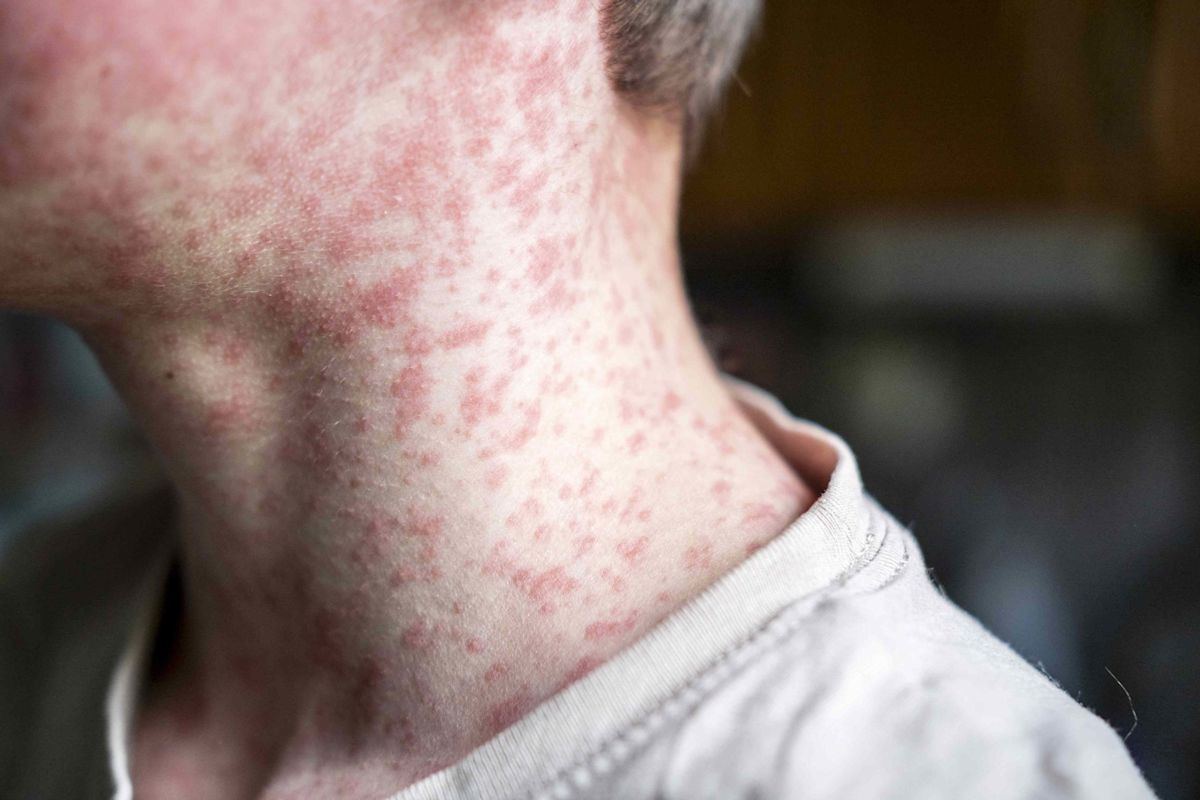
The virus causes high fever, cough, runny nose, and rash. Serious complications include pneumonia, encephalitis (brain swelling), and hospitalization. Young children under 5, pregnant women, and immunocompromised people face the highest risk. Kentucky and Kansas health departments stress that vaccination—not infection—is the safe way to build immunity against measles.
Sentiment
Mostly NegativeNEGATIVENEUTRALPOSITIVE
Publishers
20
Articles
62
Reach
82
A
AnonymousAuthor


