Fuel Tax Cuts Extended
South Korea extends fuel tax cuts through November to combat oil price volatility.
Anonymous
Key Points
1
The extension will take effect on Oct. 1, after amendments to the enforcement decrees for the Transportation, Energy and Environment Tax Act and the Individual Consumption Tax Act are submitted to the Cabinet.
2
Including value-added tax, the resulting fuel-tax rates will remain at 698 won per liter for gasoline, 436 won for diesel and 152 won for butane.
3
The government’s fuel-tax reduction was first introduced in November 2021 in response to a surge in oil prices, meaning the extension will carry the temporary measure into its fifth year.
4
Deputy Prime Minister and Finance Minister Koo Yun-cheol was scheduled to chair an emergency economic headquarters meeting on Sept. 19 at the Government Sejong Center to discuss the fuel-tax plan after October.
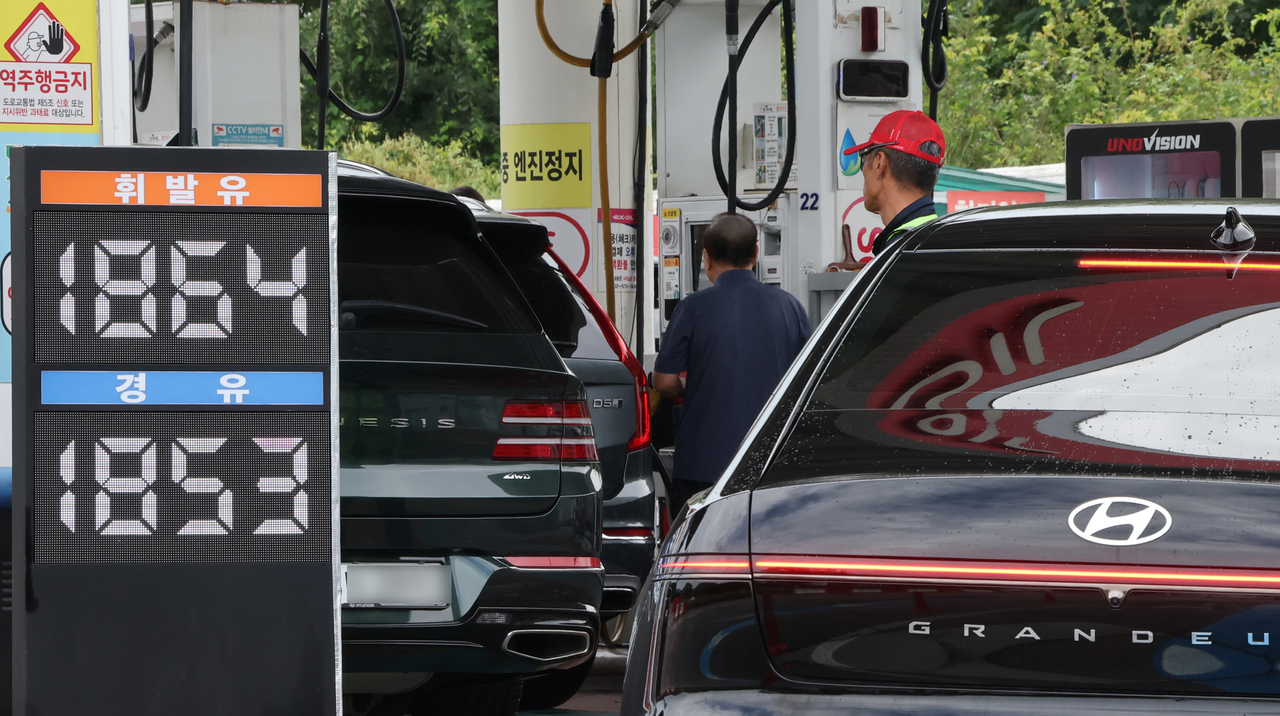
South Korea will extend its fuel tax cuts through November 30 to shield consumers from rising oil prices amid Middle East turmoil. Korea Herald reports the government kept existing discounts unchanged: 15% off gasoline taxes, 25% off diesel and butane taxes. The cuts save drivers 122 won per liter on gasoline, 145 won on diesel and 51 won on butane.
The extension takes effect October 1 and marks the fifth year of the temporary tax relief program. Seoul Economic Daily noted the government chose this timing to monitor fuel price trends before deciding on further changes. Final tax rates, including value-added tax, will remain at 698 won per liter for gasoline, 436 won for diesel and 152 won for butane.
Origins of the Tax Cut Program
South Korea introduced fuel tax cuts in November 2021 when global oil prices surged. BigGo Finance explained the government created the temporary measure to reduce the burden on consumers and industries. The program has now persisted for nearly five years without being permanently removed, showing how volatile energy markets have kept fuel costs elevated since 2021.
Why Diesel and Butane Get Bigger Discounts
The government slashed diesel and butane taxes by 25%, compared to just 15% for gasoline. This gap reflects policy priorities: diesel fuels commercial trucks and logistics networks that move goods across the country. Butane powers small delivery trucks and heats homes for lower-income households, making those two fuels critical for working families and the economy.
Middle East Tensions Push Timing of Extension
Instability in the Middle East created urgency for the tax cut extension. BigGo Finance reported rising international oil prices followed the regional conflict, threatening to spike fuel costs at pumps. The government moved quickly to lock in the current discount levels through November rather than risk sharper price jumps if tensions worsen. Deputy Finance Minister Koo Yun-cheol was scheduled to chair an emergency economic meeting on September 19 to plan beyond October.
What Happens After November
The government has not announced plans beyond November 30. Officials must amend the Transportation and Energy Environment Tax Act to continue the cuts. Korea Herald noted this extension buys time while officials assess whether Middle East tensions will ease or worsen, letting them make a data-driven choice on whether to extend again. No additional reductions are being added — the November extension simply maintains current discount levels.
Sentiment
Mostly PositiveNEGATIVENEUTRALPOSITIVE
Publishers
16
Articles
20
Reach
36
A
AnonymousAuthor


