Rising Smartphone Prices
Huawei and Samsung Raise Smartphone Prices Amid Surging Component Costs
Anonymous
Key Points
1
The Galaxy S26 FE avoided the price increase, as did Samsung’s other recently released foldables, budget A-series phones and Galaxy tablets.
2
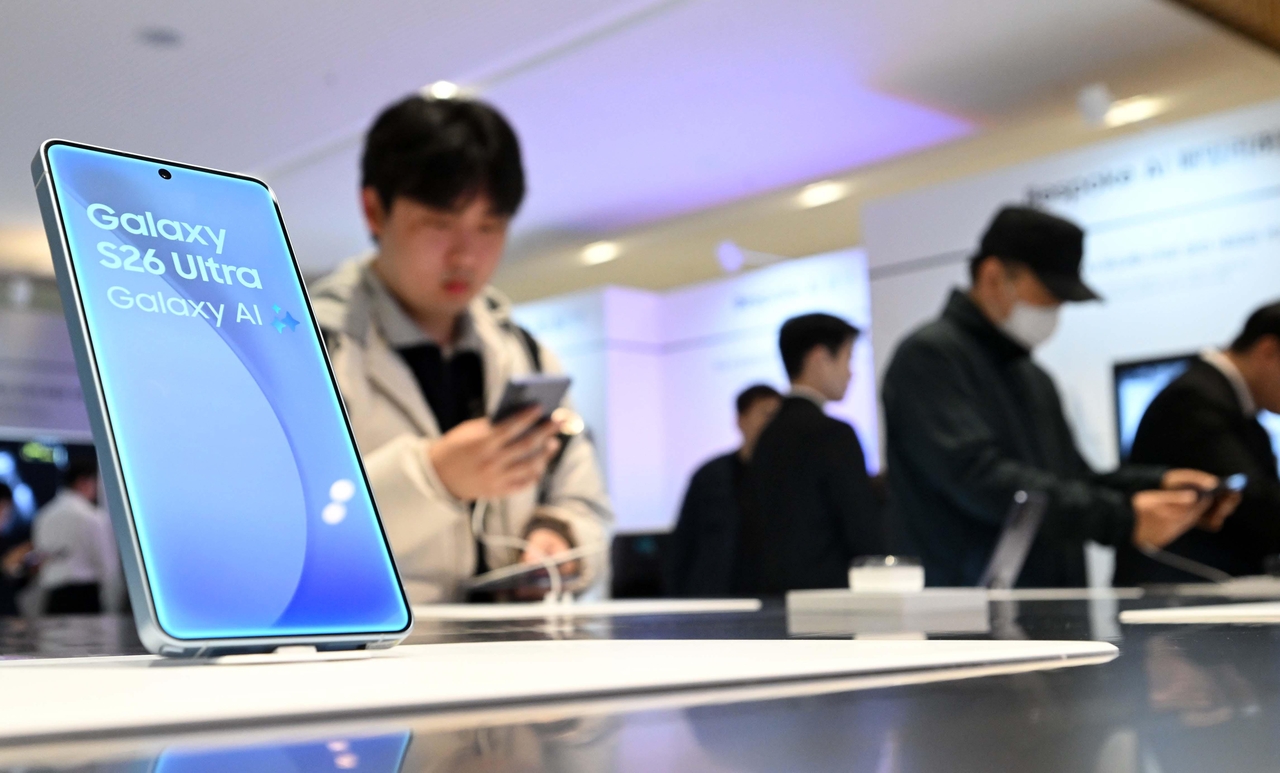
The U.S. base Galaxy S26 now costs $1,000—$200 more than the equivalent Galaxy S25 configuration.
3
Samsung’s mobile division recorded its first-ever quarterly loss in the April–June period, while its chip division was performing strongly and helped the company post record quarterly revenue and operating profit.
4
The price pressure may persist for years: TrendForce estimates that meaningful memory-price decreases may not arrive until 2028, when supply is expected to catch up with demand.
Huawei and Samsung are raising smartphone prices sharply as memory chip costs surge globally. Huawei's Mate 90 base model now starts at 5,999 yuan (about $899), roughly $200 more than its predecessor. Reuters reports that Samsung increased U.S. Galaxy S26 prices by at least $100 across most models, with the 1TB Ultra jumping $200 to nearly $2,000. Both companies cite rising demand for AI data-center chips, which is draining memory component supplies and pushing costs upward across the industry.
The price increases reflect deeper margin pressures facing smartphone makers. Trusted Reviews notes Samsung's mobile division recorded its first-ever quarterly loss in April–June, even as its chip unit drove record profits. Industry analysts warn that meaningful relief won't arrive until 2028, when new chip factories come online and supply catches up with AI-driven demand.
Huawei's Moderate Price Hike Masks Shrinking Profits
Huawei's Consumer Business Group Chairman Richard Yu called the Mate 90 price increases "moderate," but admitted they fail to offset mounting losses. The base model jumped from 4,699 yuan to 5,999 yuan—a 28% increase. PhoneArena reports that the Pro Max climbed 2,000 yuan to 9,999 yuan. Yu stated: "Advanced semiconductor capacity remains very limited in China, and Huawei's Ascend AI chips also draw on that same capacity." Tight chip supply is squeezing the company even as prices rise.
Huawei faces an extra burden: U.S. trade sanctions force the company to design and manufacture chips domestically rather than tapping global suppliers. This limits production capacity for Huawei's Kirin processors, compounding the supply crunch. Despite higher retail prices, Huawei's profit margins continue to shrink, signaling that component costs are rising even faster than consumer prices.
Samsung Shields Budget Phones While Hiking Flagship Costs
Samsung's strategy is selective. The company raised U.S. prices for most Galaxy S26 models by at least $100, pushing the base model from $799.99 to $999.99. Trusted Reviews reports the 1TB Ultra jumped $200 to nearly $2,000. But Samsung left the Galaxy S26 FE, new foldables, budget A-series phones, and tablets untouched. This approach protects Samsung's entry-level market share while extracting higher margins from premium buyers.
Samsung has not publicly explained the hikes, though rising DRAM and flash-storage costs—driven by AI data-center demand—are the obvious culprit. SammiFans reports Europe saw €100 increases on base and Plus models. Korean tipsters claim the Galaxy S27 could see even steeper hikes of 100,000 to 130,000 won in South Korea, with higher-storage variants rising more. Samsung has not confirmed these reports.
AI Boom Creates Years-Long Memory Shortage
The root cause is clear: artificial intelligence data centers are consuming memory chips at record rates. Companies building cloud AI infrastructure urgently need High-Bandwidth Memory and enterprise-grade storage. This demand has diverted wafer production away from consumer smartphones, tightening supply and driving contract prices upward across the industry.
Relief will come slowly. Digit reports that TrendForce expects meaningful memory price decreases to arrive only in 2028, when new foundries like Micron's $24 billion facility in Singapore come online. Until then, smartphone makers must choose: absorb losses or pass costs to consumers. Both Huawei and Samsung have chosen the latter, signaling that $200–$300 price jumps are now the new normal in premium smartphones.
Sentiment
Mostly PositiveNEGATIVENEUTRALPOSITIVE
Publishers
28
Articles
6
Reach
34
Topics
A
AnonymousAuthor


