Meloni Warns of Escalation
Italian Prime Minister Giorgia Meloni Warns Putin Seeks Escalation Through European Provocations
Anonymous
Key Points
1
Meloni’s Oslo visit was the first official trip to Norway by an Italian prime minister in 15 years, and her talks with Jonas Gahr Støre included bilateral cooperation as well as regional security challenges.
2
Meloni described the repeated Russian provocations as a sign of “a sort of nervousness” and spoke amid reported drone and sabotage incidents in Europe, including Germany’s accusation of Russian involvement in a Leipzig Airport drone incident and Italy’s interception of a UAV over Lithuania.
3
Italy had secretly approved a new military-aid package for Ukraine including Aster 30 missiles, SAMP/T NG air-defense systems and radars, according to the report.
4
Responding to Matteo Salvini’s meeting with Russia’s ambassador in Milan, Meloni said the discussion initially concerned companies operating in Russia and clarified that Italy has never imposed an “absolute ban on doing business in Russia.”
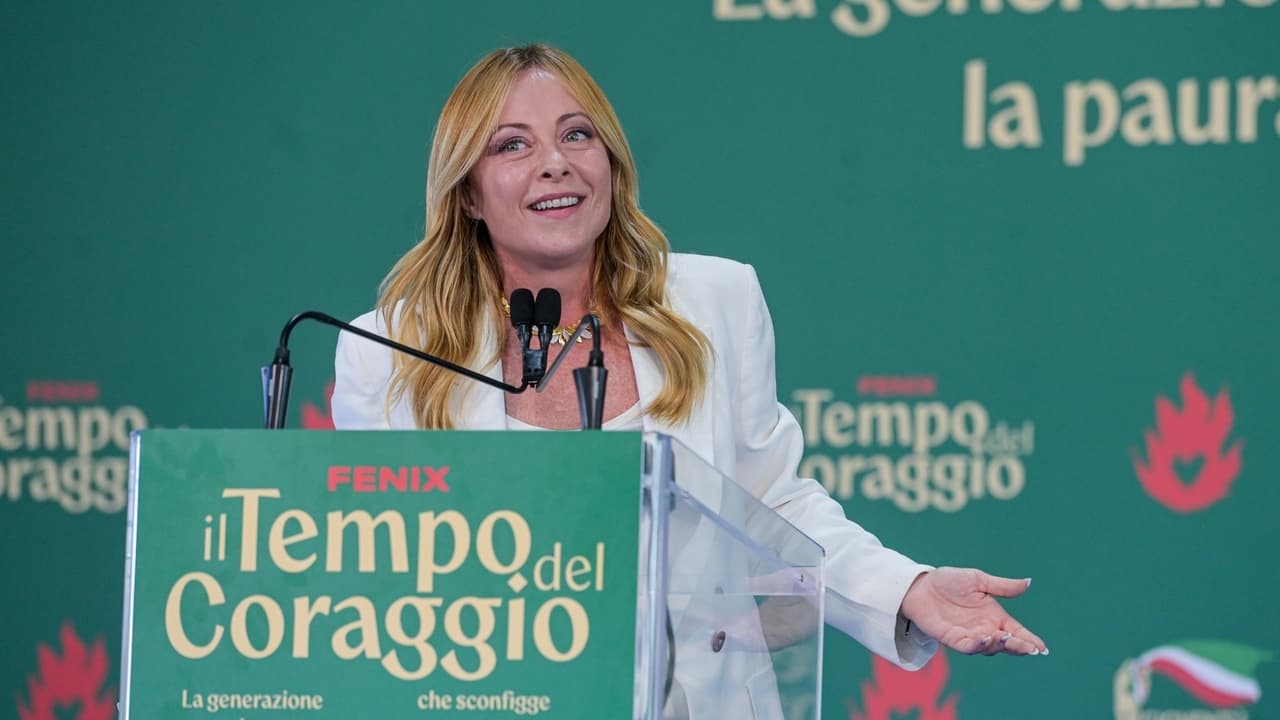
Italian Prime Minister Giorgia Meloni warned that Russia is deliberately escalating provocations against Ukraine's European allies to distract from battlefield setbacks and provoke NATO into a wider conflict. Speaking in Oslo alongside Norwegian Prime Minister Jonas Gahr Støre on September 17, Meloni said Moscow's repeated provocations reveal "a sort of nervousness" as President Vladimir Putin's war strategy falters. Anadolu Agency reported her statement that escalating Russian provocations are a sign Putin "needs to shift focus by seeking an escalation with Europe from a situation on the field of war that is not going as Putin promised."
Meloni urged European nations to carefully assess who benefits from each Russian provocation before responding, warning that hasty reactions could play into Moscow's hands. Her Oslo visit was the first official Italian Prime Ministerial trip to Norway in 15 years and came amid a wave of suspected Russian drone and sabotage incidents across Europe, including attacks on Germany's Leipzig Airport and a UAV interception over Lithuania. The Kyiv Independent reported that Italy had secretly approved a new military-aid package for Ukraine worth approximately €3 billion, including air-defense systems and missiles.
Putin's "Nervousness" Behind Multiplying Drone Attacks
Russia has intensified hybrid warfare operations across Europe in recent weeks, triggering alarm among NATO allies. Germany formally attributed August drone strikes on Leipzig Airport to Russian state agencies in early September, prompting Berlin to close Russia's Consulate in Bonn and Russian House in Berlin. The Guardian reported that French President Emmanuel Macron warned the multiplying attacks "cannot go unanswered" and backed Germany's findings on Russian sabotage.
Meloni's explanation—that Moscow is attempting to distract from failed military objectives—aligns with intelligence assessments from NATO allies. Polish Prime Minister Donald Tusk noted that intelligence points to prolonged Russian hybrid operations continuing through winter. LIGA.net reported expert analysis suggesting fragmented Western diplomacy plays into Moscow's strategy of dividing coalitions, making unified European coordination increasingly critical.
Italy's Secret Military Aid Package Revealed
La Repubblica disclosed that Italy approved its 13th military assistance package for Ukraine in August 2026, reportedly kept quiet to avoid domestic political fallout. The package includes 4 SAMP/T NG air-defense batteries, Aster 30 interceptor missiles, and 7 long-range radars—six made by France's Thales and one by Italy's Leonardo. The Kyiv Independent valued the total package at approximately €3 billion, funded through EU loan mechanisms.
The disclosure complicates Italy's political narrative around Ukraine support. Deputy Prime Minister Matteo Salvini faced criticism after meeting with Russia's ambassador in Milan, prompting Meloni to clarify that the discussion concerned Italian companies operating in Russia. Meloni stated that Italy has never imposed an "absolute ban on doing business in Russia," seeking to defend both the meeting and Italy's military commitment to Ukraine. The New Voice of Ukraine reported the government's position that business diplomacy and military aid are separate policy tracks.
Meloni's Push for a Single European Ukraine Envoy
During her Oslo meeting, Meloni renewed her proposal for a unified European envoy on Ukraine to streamline diplomatic coordination. She emphasized that the role must represent Europe broadly and include non-EU allies like Norway and the United Kingdom in critical security decisions. Anadolu Agency reported that Meloni framed the envoy position as essential to countering Moscow's strategy of exploiting Western fragmentation and confusion.
The proposal reflects growing concern that Europe's divided approach to Ukraine enables Russian manipulation. Meloni's meetings with Støre covered bilateral energy cooperation, NATO solidarity, and broader regional security—areas where coordinated European action could counter Russian hybrid threats more effectively. Yeni Safak noted that Oslo was selected deliberately to signal the importance of bringing Nordic nations into European security architecture discussions.
Western Leaders Brace for Escalating Hybrid Warfare
The surge in Russian provocations—from drone strikes to infrastructure sabotage—has prompted Europe to strengthen air defense, energy infrastructure, and logistics protection. NATO and EU security officials are treating the incidents as part of a broader campaign to test Western resolve and divisions. Al Jazeera reported that intelligence agencies across Europe are tracking sustained Russian hybrid operations designed to destabilize alliance cohesion before winter.
Meloni's warning that European nations must avoid "impulsive" reactions signals Italy's attempt to chart a middle course—strongly supporting Ukraine while cautioning against over-escalation with Russia. Her explicit call to assess "who stands to gain" from provocations reflects a strategy of deliberate, measured Western response rather than reactive engagement that Moscow may have orchestrated. RBC-Ukraine reported that Italian officials are concerned accelerated NATO military responses could inadvertently validate Putin's narrative of Western aggression.
Sentiment
Mostly NegativeNEGATIVENEUTRALPOSITIVE
Publishers
30
Articles
125
Reach
155
A
AnonymousAuthor