Record Wild Dog Journey
African Wild Dogs Set Record With Massive Journey Across Zambia
Anonymous
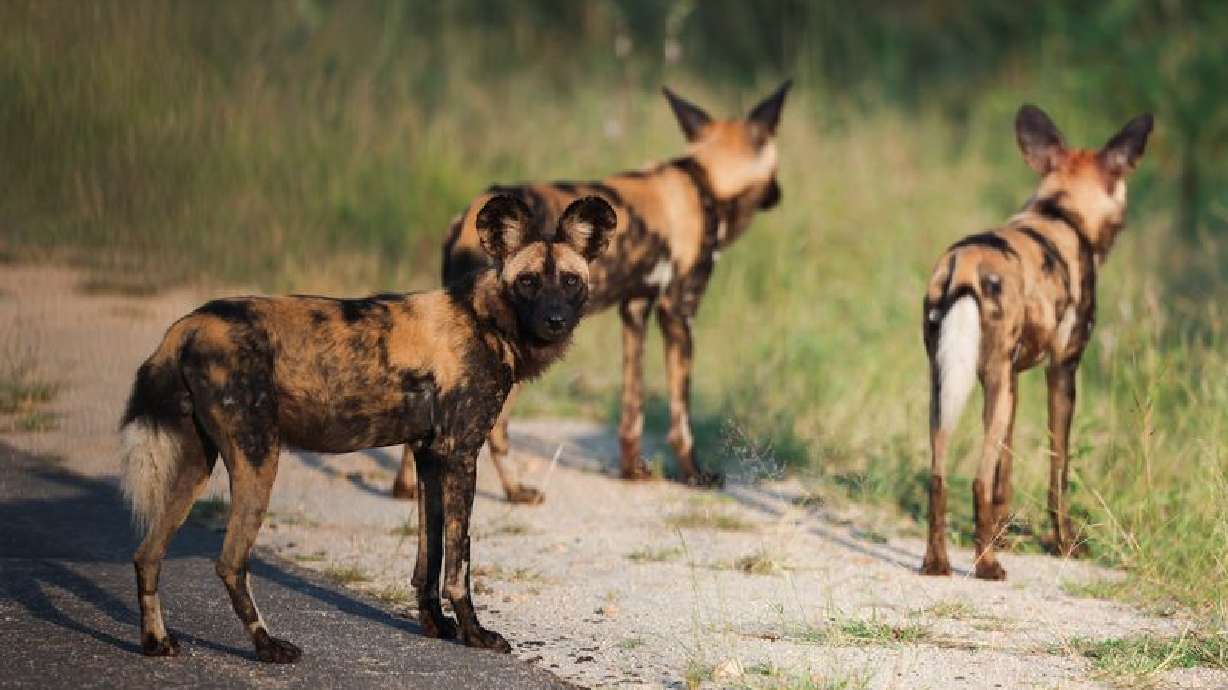
New research shows that three African wild dog brothers traveled 4,126 kilometers across Zambia over eight months while seeking mates and a new territory, the longest recorded dispersal by an African land mammal. GPS tracking of four dispersing groups found they collectively covered 9,863 kilometers across human-dominated landscapes and into or near five neighboring countries, suggesting populations in eastern and southern Africa remain more connected than previously believed. The journeys demonstrate that wild dogs can navigate around roads, farms, cities and other fragmented habitats, but also highlight serious dangers, including wire snares used in bushmeat hunting. Researchers say the findings underscore the importance of protecting and restoring wildlife corridors for the endangered species, whose young adults must leave their birth packs to avoid inbreeding and establish new breeding groups.
Key Points
1
The brothers’ journey was highly indirect: although they traveled about 4,126 kilometers, their start and end points were only roughly 420 kilometers apart in a straight line, as they repeatedly changed direction to avoid roads, farms, cities and settlements.
2
Researchers distinguish the journey from seasonal migration: dispersal is the one-way movement of young animals away from their birth territory to find unrelated mates or establish a new territory, rather than a regular movement between habitats with an eventual return.
3
The wider conservation stakes are significant because only about 6,000 African wild dogs are estimated to remain in the wild, with populations scattered across Africa; the dogs’ movements suggest distant wildlife strongholds may be less isolated than previously feared.
4
Female dispersers also faced severe risks: three females tracked in the research attempted long-distance journeys, but one was caught in an illegal snare after traveling more than 1,400 miles, and two of the three eventually died.
5
The tracked dogs moved not only through protected forests but also around Lusaka and industrial areas, offering evidence that wildlife corridors must connect national parks across landscapes affected by urban and industrial development.
Sentiment
Mostly NegativeNEGATIVENEUTRALPOSITIVE
Publishers
7
Articles
53
Reach
60
A
AnonymousAuthor


