Securing Alternative Energy Routes
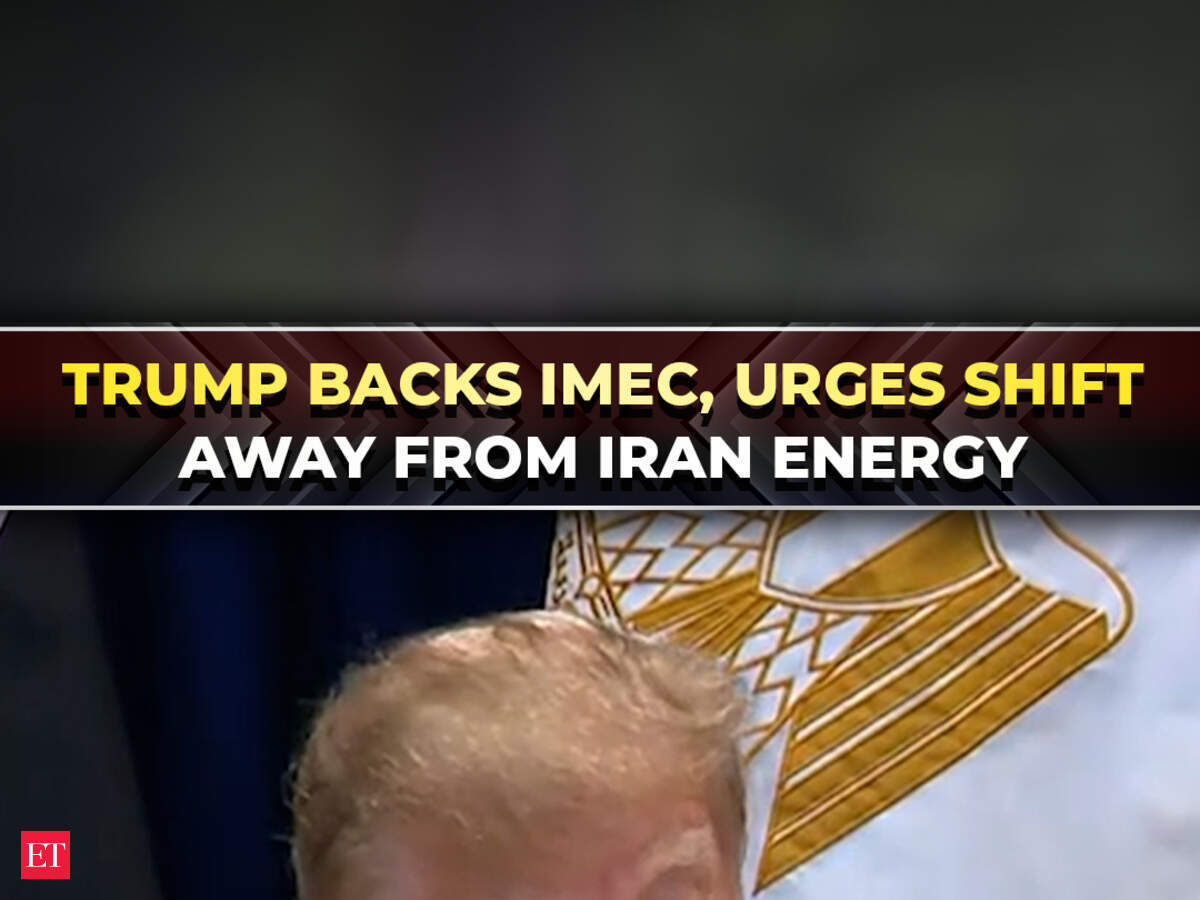
Trump Endorses India-Middle East-Europe Corridor to Avoid Vulnerable Shipping Routes
Anonymous
Key Points
1
The Strait of Hormuz carried approximately 20 million barrels of oil per day in 2025, while LNG shipments through the waterway accounted for nearly 20% of global LNG trade, underscoring the potential global impact of disruptions there.
2
The conflict began with U.S.-Israeli strikes on Iran on February 28, after which vessel traffic through the Strait of Hormuz fell sharply and Gulf producers and international buyers began seeking alternative routes for oil and gas.
3
IMEC is organized into an Eastern Corridor linking India with the Gulf and a Northern Corridor linking the Gulf with Europe; its planned infrastructure includes railways, ship-to-rail connections and road transport routes.
4
Trump described the participating Arab and Gulf leaders as among the United States’ “greatest and closest friends, allies, and partners,” saying their cooperation was intended to make the Middle East safer and more prosperous.
5
In remarks accompanying his IMEC endorsement, Trump again warned Iran of possible annihilation, saying the United States had isolated Tehran financially and that there would be a point when it was too late to let Iran survive.
President Donald Trump endorsed the India-Middle East-Europe Economic Corridor (IMEC) on Monday, calling for the Middle East to shift energy infrastructure away from routes vulnerable to Iranian disruption. Speaking to Gulf and Arab leaders at the UN General Assembly, Trump cited attacks on commercial shipping and instability around the Strait of Hormuz, which carries roughly 20 million barrels of oil per day and nearly 20% of global liquefied natural gas trade Hindustan Times.
The conflict that began with U.S.-Israeli strikes on Iran on February 28 has disrupted maritime traffic and prompted producers and buyers to seek alternative routes Economic Times. IMEC, unveiled in 2023, would connect India, the Gulf, and Europe through shipping, rail, and road networks, offering a workaround to chokepoints that threaten global energy supplies The Hindu Business Line.
A Chokepoint Carrying One-Fifth of World's LNG
The Strait of Hormuz is one of the world's most critical energy arteries. It moved approximately 20 million barrels of oil daily in 2025 and carried nearly 20 percent of global LNG shipments Hindustan Times. When the U.S. and Israel struck Iran in late February, vessel traffic through the strait fell sharply. Gulf producers and international energy buyers scrambled to find alternative routes for oil and gas.
IMEC's Two-Pronged Route Around Iranian Control
The India-Middle East-Europe Economic Corridor is organized into two main paths. The Eastern Corridor links India with the Gulf states. The Northern Corridor connects the Gulf with Europe Dainik Jagran. Together, they would create new railways, ship-to-rail connections, and road transport routes. These infrastructure projects would bypass the Strait of Hormuz and reduce dependence on routes Iran could disrupt.
Trump Frames IMEC as Stability for U.S. Allies
Trump described the participating Arab and Gulf leaders as among America's "greatest and closest friends, allies, and partners." He said their cooperation through IMEC was intended to make the Middle East safer and more prosperous The Hindu Business Line. His endorsement signals U.S. commitment to helping regional allies reduce their vulnerability to Iranian leverage over energy supplies.
Trump Warns Iran Again, Cites Financial Isolation
Alongside his IMEC endorsement, Trump again warned Iran of possible annihilation Economic Times. He stated that the United States had isolated Tehran financially and that a point would come when it was too late for Iran to survive. The warning underscores the hardening U.S. stance toward Iran and the administration's broader effort to reshape Middle Eastern energy security away from Tehran's reach.
Sentiment
Mostly NegativeNEGATIVENEUTRALPOSITIVE
Publishers
34
Articles
58
Reach
92
A
AnonymousAuthor


