CENTCOM Blockade Reroutes Ships
CENTCOM Reroutes 109 Commercial Vessels Amid Strict Blockade and Regional Tensions
Anonymous
Key Points
1
CENTCOM said the blockade was aimed at commercial traffic entering and leaving Iranian ports, including vessels operating near Iran’s coastal areas in the Arabian Gulf and Gulf of Oman—not only ships transiting the Strait of Hormuz.
2
The blockade included an exception for humanitarian assistance: CENTCOM reported that 26 humanitarian-aid vessels had been allowed to pass through designated arrangements by May 23.
3
By the time 109 commercial vessels had been redirected, CENTCOM also said four commercial vessels had been disabled; the enforcement operation applied to ships of different nationalities, rather than only Iranian-flagged vessels.
4
CENTCOM said more than 200 aircraft and warships and over 15,000 U.S. personnel supported the blockade during its initial phase, including carrier strike groups and amphibious forces.
5
The rerouting total rose incrementally, from 100 commercial vessels by May 23 to 108 by May 26 and 109 the following day, according to CENTCOM figures cited in the report.
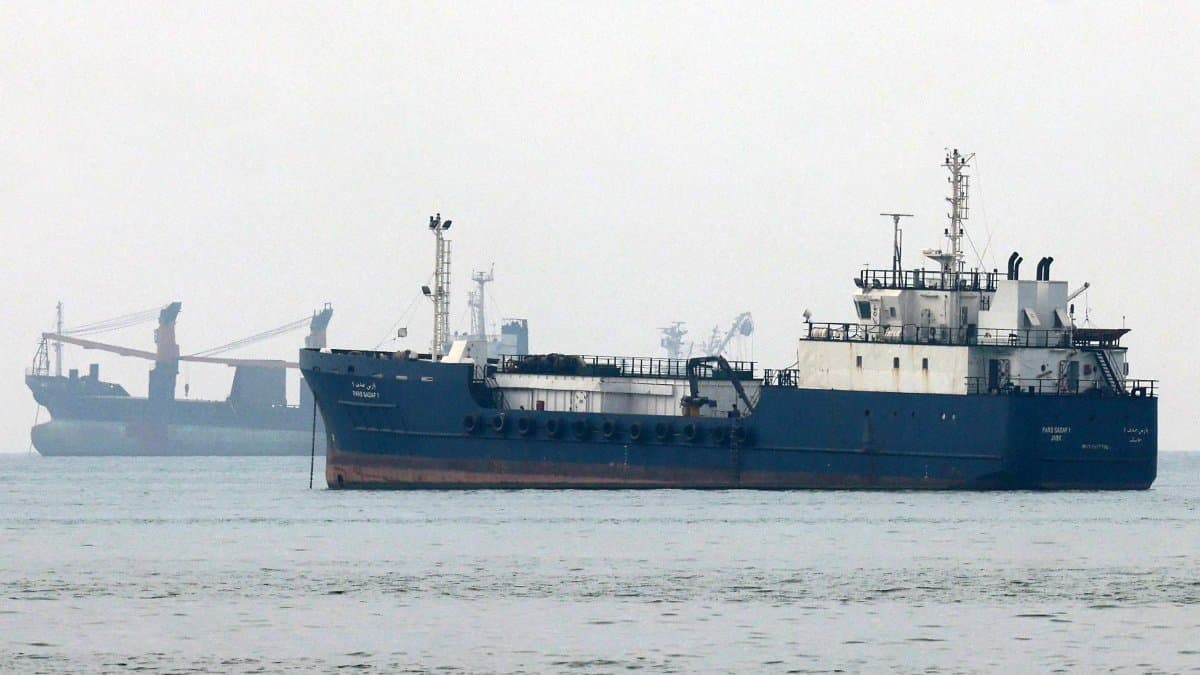
The U.S. military has redirected 109 commercial vessels in and around the Strait of Hormuz to enforce a naval blockade targeting Iran, CENTCOM reported. The blockade affects a critical waterway that carries roughly 20.9 million barrels of oil per day—about one-fifth of global oil consumption—plus significant liquefied natural gas shipments, disrupting global energy flows.
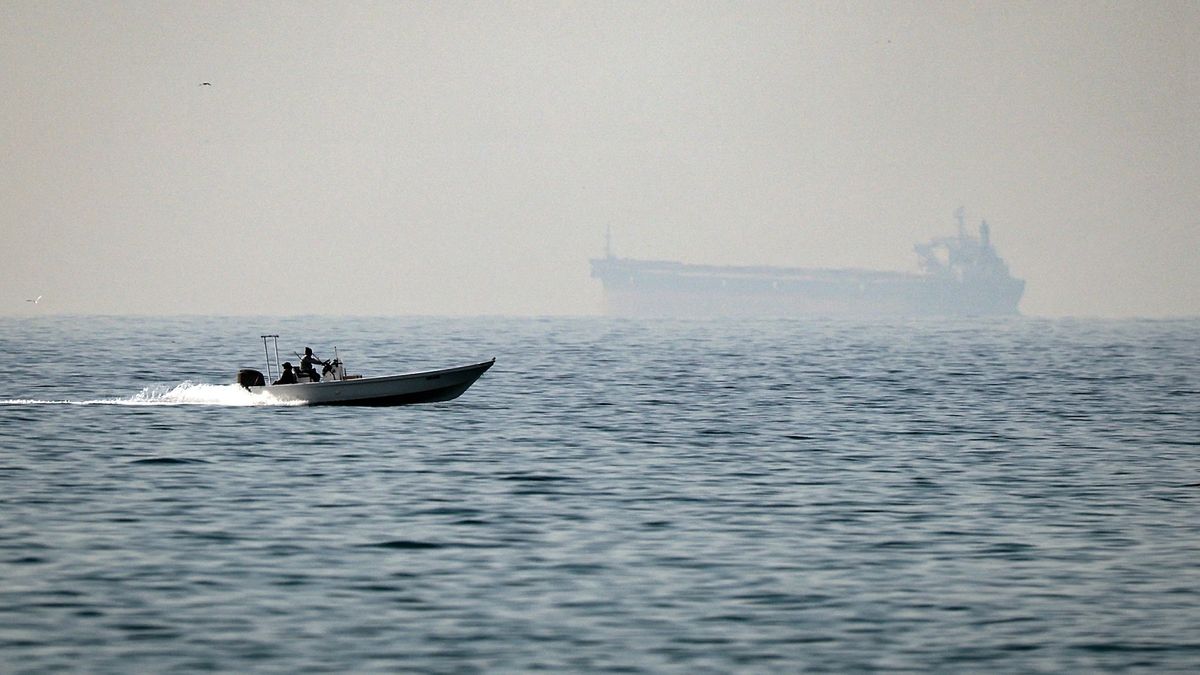
The enforcement operation, supported by over 15,000 U.S. personnel, more than 200 aircraft and warships, and multiple carrier strike groups, aims to restrict commercial traffic entering and leaving Iranian ports. Marine Insight reported that the rerouting total has grown incrementally, from 100 vessels by May 23 to 109 by May 27, while four commercial vessels have been disabled during the operation.
A Blockade Targeting Iranian Port Access
The blockade is not limited to ships transiting the Strait of Hormuz itself. CENTCOM clarified that the enforcement targets all commercial traffic operating near Iran's coastal areas in the Arabian Gulf and Gulf of Oman, effectively sealing Iranian ports from maritime trade. The operation applies to vessels of all nationalities, not just Iranian-flagged ships.
Humanitarian Shipments Receive Designated Exceptions
Despite the broad restrictions, CENTCOM has allowed humanitarian assistance to continue. By May 23, the military confirmed that 26 humanitarian-aid vessels had been permitted to pass through designated arrangements. This exception reflects efforts to balance strategic enforcement with the need to prevent civilian suffering.
Growing Disruption to Global Energy Trade
The blockade is intensifying disruption in one of the world's most vital energy corridors. Republic World noted that the Strait of Hormuz remains a critical route for global energy shipments, and the rerouting of vessels creates bottlenecks and forces ships to take longer, costlier alternate routes. The diversions add pressure to energy markets already strained by regional tensions.
Massive Military Deployment Supports the Operation
CENTCOM has mobilized extraordinary resources to enforce the blockade. More than 15,000 U.S. military personnel, over 200 aircraft and warships, and multiple carrier strike groups support the operation. The Hindu Business Line reported that this deployment reflects the strategic importance the U.S. assigns to preventing Iranian maritime commerce and maintaining naval dominance in the region.
Sentiment
Mostly NegativeNEGATIVENEUTRALPOSITIVE
Publishers
38
Articles
59
Reach
97
A
AnonymousAuthor