Tata Sons IPO Rally
RBI Rejection Forces Tata Sons Toward Mandatory Public Listing as Shares Rally
Anonymous
Key Points
1
Executives linked to the Shapoorji Pallonji Group reportedly met Indian government officials to argue that a Tata Sons listing was needed to mitigate potential contagion risks if the debt-laden construction group defaulted.
2
Proxy adviser InGovern said Tata Sons’ governance model had outgrown its status as a private holding company, noting its influence over a listed corporate ecosystem with more than 1.77 crore shareholder or folio accounts.
3
Tata Sons reported standalone revenue of ₹42,366.5 crore and profit of ₹31,961 crore in FY26, but its privately held ventures—including Air India, Tata Digital, Tata Electronics and Tata Agratas—recorded combined losses of ₹29,924 crore.
4
A similar listing-related rally in March 2024 faded after Tata Sons applied to surrender its core investment company registration, with Tata Chemicals rising 39% in less than a week before the gains reversed.
5
InGovern said listed Tata Sons shares could be used for acquisitions and joint ventures, while a public listing could improve transparency around project funding, risks and expected returns.
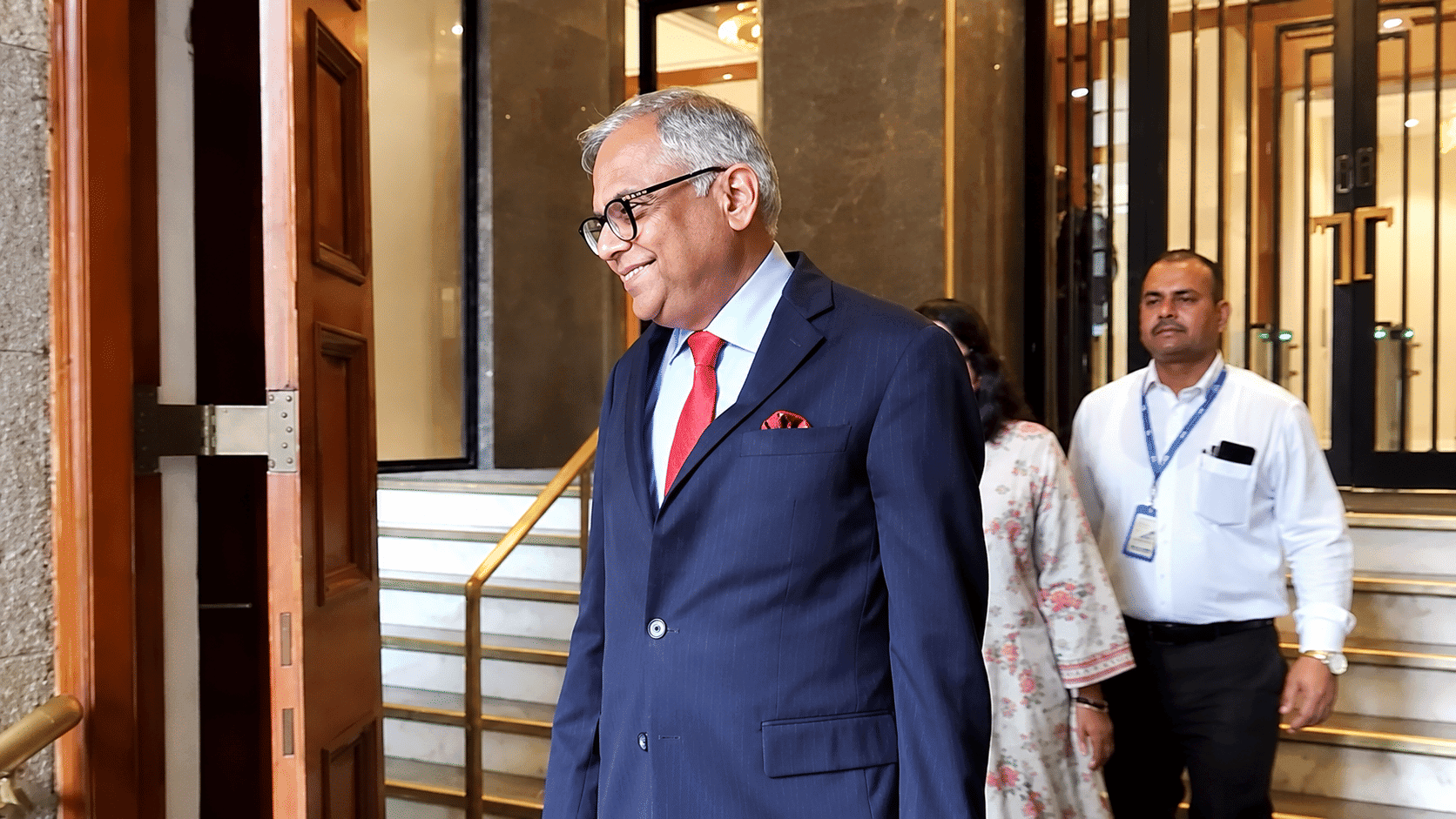
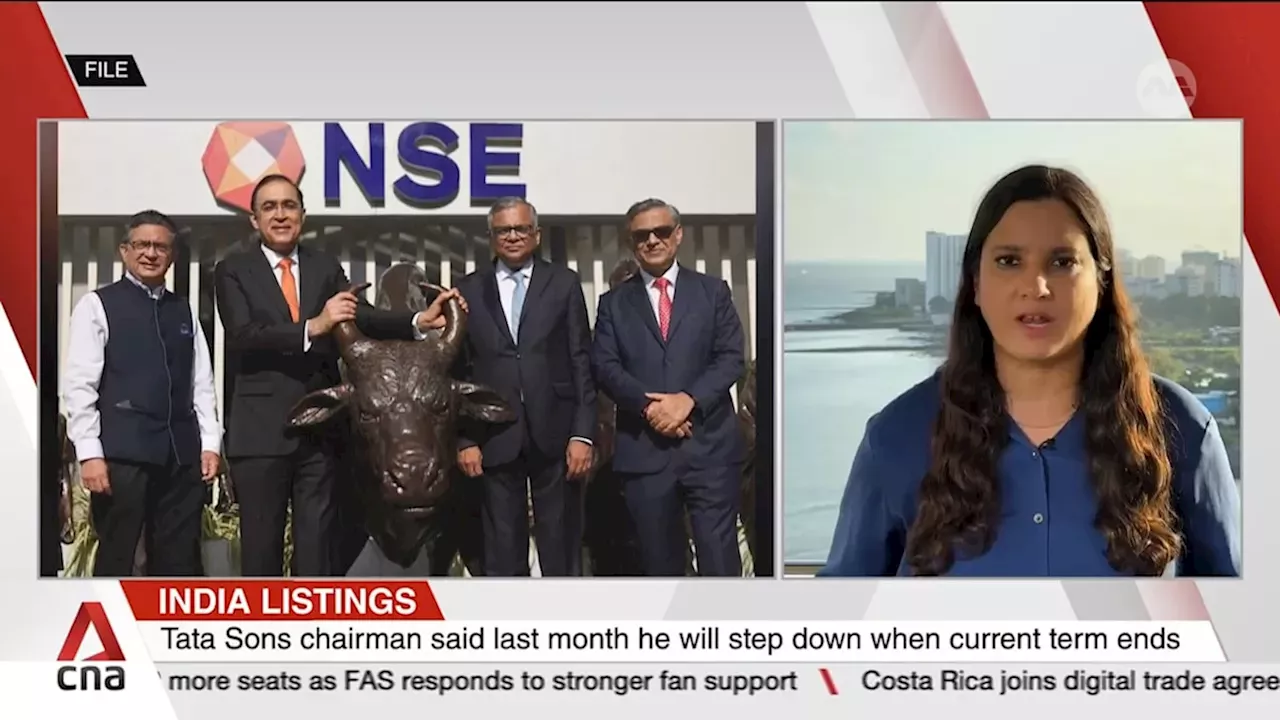
India's Reserve Bank rejected Tata Sons' bid to avoid strict financial rules, effectively pushing the conglomerate toward a public listing tribuneindia. Shares of seven listed Tata companies surged on the news—Tata Chemicals jumped 20%—because they collectively own about 11.9% of Tata Sons, a stake that could be worth billions economictimes.
The ruling forces Tata Sons to choose: go public, fight the decision in court, or restructure its finances. An IPO could unlock capital for semiconductors, batteries and aviation, but it would also reduce the Tata Trusts' control and expose the group to market scrutiny theprint.
Why an IPO Could Solve a Debt Crisis
The Shapoorji Pallonji Group, which owns 18.4% of Tata Sons, carries ₹55,000 crore in debt news18. Executives from the construction company reportedly met government officials to argue a Tata Sons listing would prevent financial contagion if they defaulted. A public offering would let them sell shares and reduce their borrowings.
For Tata Sons itself, an IPO would improve access to debt and equity markets. The company reported standalone profit of ₹31,961 crore in FY26 but its private ventures—including Air India and Tata Digital—lost a combined ₹29,924 crore economictimes.
The Governance Case for Going Public
Proxy adviser InGovern argued Tata Sons has outgrown its private status. The holding company oversees a listed ecosystem with more than 1.77 crore shareholder accounts tribuneindia. A public listing would improve transparency around project funding and risks, they said.
Listed Tata shares could also help the group acquire companies or fund joint ventures. Currently, the private structure limits how Tata Sons can raise money and make major deals economictimes.
Tata Trusts Push Back Against a Public Listing
Tata Trusts, which oversees the charitable side of the empire, has urged Tata Sons to explore options other than listing. Chairman Noel Tata has reaffirmed opposition to a public offering, saying it would weaken the group's founding principles tribuneindia.
A listing would increase disclosure, compliance costs and market pressure. It could also dilute the Trusts' control and limit strategic flexibility—concerns that have kept Tata Sons private for decades theprint.
Watch for Stock Gains to Fade If Nothing Happens
Tata stock rallies tied to IPO hopes have a poor track record. In March 2024, Tata Chemicals surged 39% in less than a week after listing rumors, but the gains vanished once Tata Sons applied to surrender its investment company status economictimes.
The same pattern could repeat. If Tata Sons pursues legal remedies or delays a listing decision, current investor enthusiasm will likely cool. The RBI ruling has bought time—but only if the group acts decisively on what comes next news18.
Sentiment
Mostly NegativeNEGATIVENEUTRALPOSITIVE
Publishers
58
Articles
53
Reach
111
A
AnonymousAuthor