Trump $5,000 Midterm Pledge
Trump renews a $5,000 payment pledge for adults if Republicans win the midterms.
Anonymous
Key Points
1
Trump said the proposed payment would have to be spent in the United States, but did not specify how that restriction would be enforced.
2
The White House has framed the payment as a dividend from the country’s economic strength, comparing it to a company returning money to its shareholders.
3
FactCheck.org estimated that, at the tariff-revenue levels it examined, tariff revenue alone would take more than six years to cover the projected $1.2 trillion cost.
4
Trump cited $21 trillion in investment since taking office as evidence of economic success, but the article noted that those investments are not cash infusions.
5
The Independent reported that the Supreme Court had deemed the tariffs Trump cited illegal and that the revenue had been refunded.
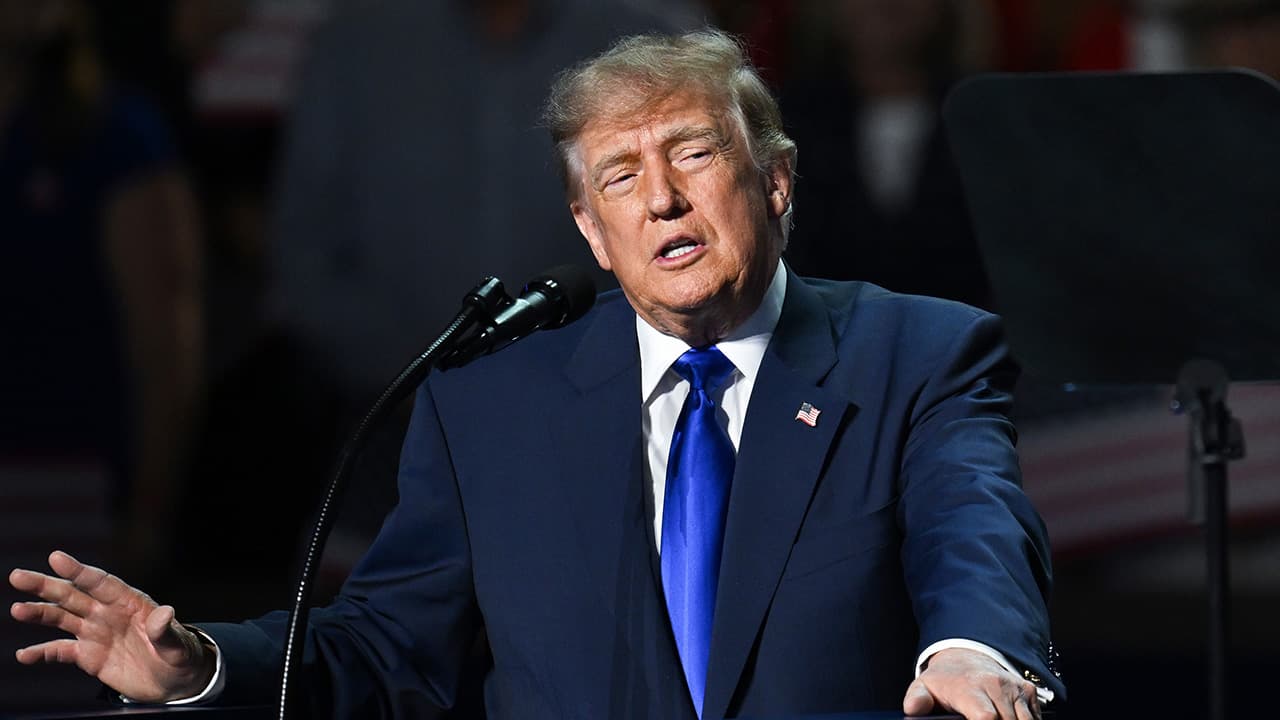
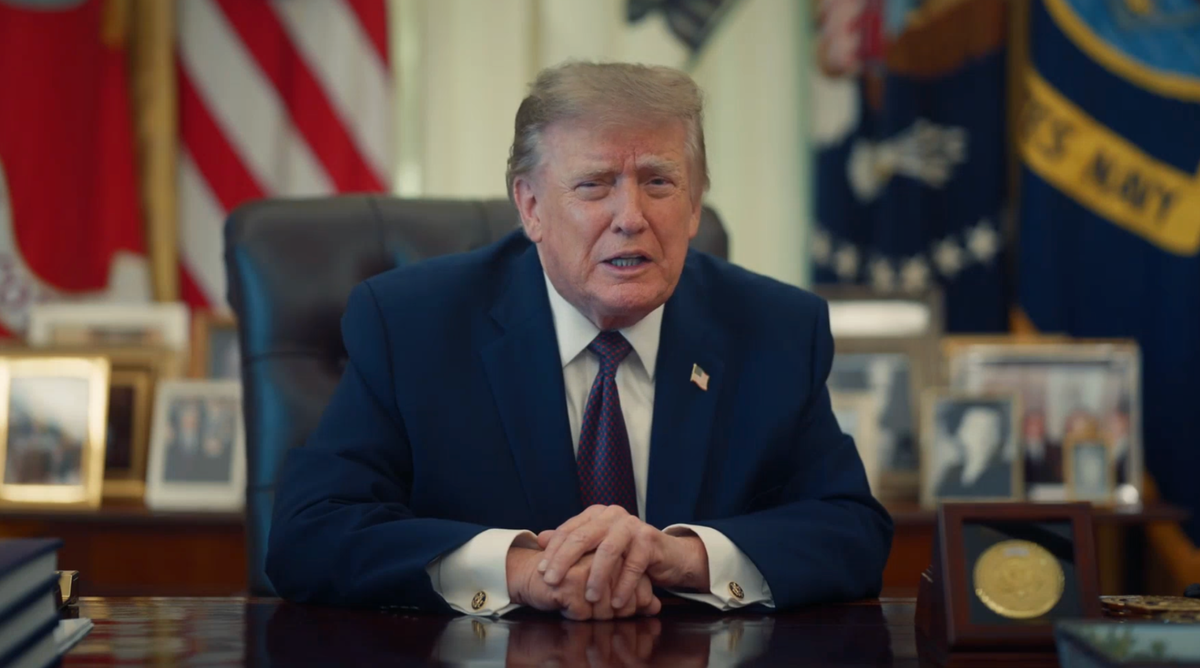
President Donald Trump renewed his pledge to give every adult American $5,000 if Republicans keep control of both the House and Senate in the 2026 midterm elections. The Gateway Pundit reported that Trump made the promise in a video message, saying tariff revenue and economic growth would fund the so-called "Trump Dividend." He warned that a Democratic win would trigger an economic collapse worse than the Great Depression.
The plan faces major hurdles: it would cost more than $1 trillion, requires congressional approval, and lacks details on how to distribute the money or enforce Trump's rule that recipients must spend it in the U.S. FactCheck.org found that tariff revenue alone would take over six years to cover a projected $1.2 trillion price tag—if the tariffs even generate the expected money.
How Trump Says Tariffs Would Pay for the Checks
Trump frames the $5,000 payment as a "dividend"—money returned to citizens like shareholders in a company. The White House has pitched this as proof the economy is booming under Republican leadership. The president cited $21 trillion in new investment since taking office. However, experts note these are investment pledges, not actual cash sitting in government accounts ready to spend.
The core funding question remains unanswered. Trump says tariffs will generate the revenue, but FactCheck.org calculated that tariff money would need more than six years just to cover costs. No administration analysis has shown tariffs alone can bridge this gap. Distribution remains vague: Trump said payments must stay in the U.S. but gave no mechanism to enforce it.
The Tariff Problem: Past Supreme Court Ruling
Trump's tariff strategy faces a legal shadow. The Independent reported that the Supreme Court previously ruled Trump's tariffs illegal and ordered revenue refunded. This history raises questions about whether future tariffs would survive legal challenge. If courts block tariffs again, the funding mechanism for the $5,000 checks collapses entirely.
Tariffs also carry hidden costs for everyday Americans. They raise prices on imported goods—from groceries to electronics—passing costs to consumers and businesses. Economists warn that tariff revenue might not cover the dividend without triggering inflation or recession. The administration has not released studies addressing these trade-offs.
What Congress Must Approve Before Checks Can Go Out
Trump cannot simply write $5,000 checks unilaterally. Congress must pass legislation authorizing and funding the payment. The Gateway Pundit noted Trump made his promise as a 2026 midterm pitch to voters. If Republicans win both chambers, they would face pressure to deliver—but no bill currently exists and no funding source is locked in.
The cost is staggering: roughly 250 million adults in the U.S. at $5,000 each equals $1.25 trillion minimum. Treasury would need to borrow heavily, issue new bonds, or find revenue streams that don't currently exist. Even if tariffs generate $200 billion annually—a high estimate—the gap between revenue and cost remains enormous.
Sentiment
Mostly NegativeNEGATIVENEUTRALPOSITIVE
Publishers
29
Articles
35
Reach
64
A
AnonymousAuthor