Testing Hezbollah Disarmament
Lebanon faces a crucial test of its commitment to disarm Hezbollah, says visiting US lawmaker.
Anonymous
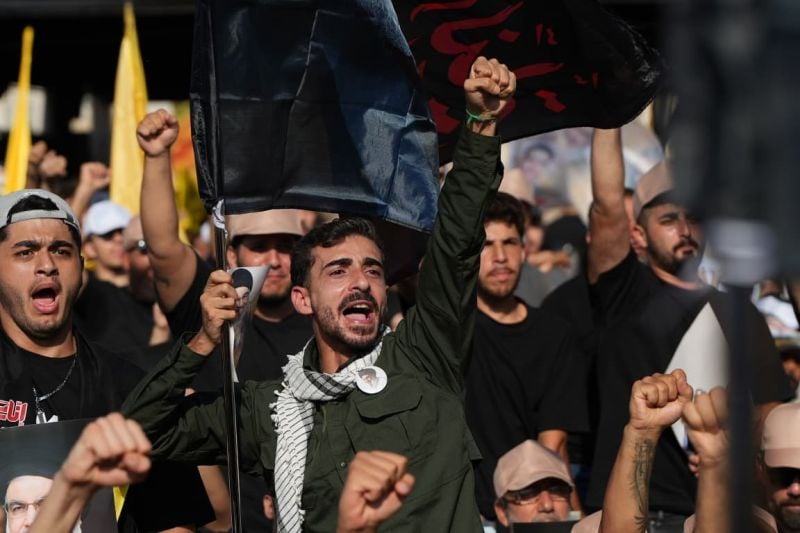
Key Points
1
Gottheimer said the June agreement links Hezbollah’s disarmament with Israeli troops withdrawing from Lebanon as progress is made, and described completing the framework as key to restoring Lebanese control over all its territory.
2
According to a Syrian official cited by Reuters, Damascus told Hezbollah it would not send forces into Lebanon to disarm the group, while asking it to help stop arms smuggling across the border and dismantle remaining Hezbollah cells in southern Syria.
3
The reported Syria-Hezbollah contact followed the collapse of their former relationship under Bashar al-Assad: Hezbollah had sent fighters to support Assad during the civil war, but the new government later accused the group of moving arms through Syria.
4
Qaani said Hezbollah fighters had targeted 20 Israeli tanks in one night at a village in Lebanon; he claimed at least a third of the 373 tanks and armored personnel carriers targeted were destroyed and another third damaged and forced from the battlefield.
Lebanon's new government told U.S. Rep. Josh Gottheimer it plans to disarm Hezbollah and reduce Iranian influence in the country, according to Reuters. But Gottheimer warned that the group's deep roots in Lebanese society make enforcement difficult, and said the government's commitment must be tested over time.
The disarmament effort is tied to a June agreement linking Hezbollah's surrender of weapons with Israeli troop withdrawals from Lebanon, Gottheimer explained. Completing this framework is critical to restoring Lebanese control over all its territory, he added.Reuters also reported secret talks between Syrian officials and Hezbollah in Türkiye aimed at easing tensions and blocking cross-border arms smuggling, though both countries denied the meeting occurred.Reuters.
Syria Seeks to Curb Hezbollah's Border Operations
According to Reuters, Syrian officials told Hezbollah representatives they would not send forces into Lebanon to help with disarmament. Instead, Damascus asked Hezbollah to stop arms smuggling across the border and dismantle remaining Hezbollah cells in southern Syria.
This new approach marks a sharp shift from their past alliance. Hezbollah sent fighters to support Syrian President Bashar al-Assad during Syria's civil war. But after Assad's government fell, officials accused Hezbollah of moving weapons through Syrian territory.Reuters The secret talks in Türkiye suggest both sides are trying to rebuild a working relationship.
Iran Claims Hezbollah Continues Heavy Combat Operations
Iran's Quds Force chief Esmail Qaani claimed Hezbollah fighters are still actively fighting despite losing senior leaders. He said the group targeted 20 Israeli tanks in a single night at a Lebanese village. Qaani claimed at least one-third of 373 total Israeli tanks and armored vehicles targeted were destroyed, with another third damaged and forced from the battlefield.
These claims appear designed to counter reports of Hezbollah's military decline following months of Israeli airstrikes and operations. The group has suffered significant losses, including the deaths of top commanders. Qaani's statements suggest Iran wants to portray Hezbollah as a fighting force capable of inflicting serious damage on Israeli forces.
The Challenge of Enforcing Hezbollah Disarmament
Gottheimer acknowledged that disarming Hezbollah faces major obstacles. The group has operated in Lebanon for decades, building schools, hospitals, and social networks alongside its military wing. This deep integration into Lebanese society makes separating Hezbollah from civilian life extremely difficult.
The June agreement created a framework tying Israeli withdrawals to Hezbollah disarmament progress. But Gottheimer stressed that words must become action. Lebanon's government must demonstrate it can actually collect weapons, enforce restrictions, and maintain control over its territory in areas where Hezbollah has long held sway.
Sentiment
Mostly NegativeNEGATIVENEUTRALPOSITIVE
Publishers
14
Articles
31
Reach
45
A
AnonymousAuthor


