Contempt Plea Notice
Supreme Court Issues Contempt Notice To Union Education Secretary Over Regulations
Anonymous
Key Points
1
The contempt case arose from a May 11 Supreme Court direction requiring Upadhyay to submit his demands as a representation to the Union government; he later alleged that no decision was taken within the permitted period.
2
The petition, filed through advocate Ashwani Dubey, asks the court to declare that Article 30 provides minorities no additional rights beyond those guaranteed by Article 19(1)(g), including the right to establish educational institutions.
3
Upadhyay alleges that numerous unregistered and unrecognised institutions were operating in districts along the Uttar Pradesh border, a claim he uses to argue for stronger state oversight.
4
The petition alleges that unsupervised institutions could radicalise or brainwash young children, and characterises the issue as one affecting internal security, national integration, fraternity and unity; these are the petitioner’s claims, not findings by the Supreme Court.
5
The petition further argues that Article 30(a)’s reference to institutions of minorities’ choice should cover secular or professional education, rather than religious instruction, and contends that religious teaching institutions fall under Article 26(a).
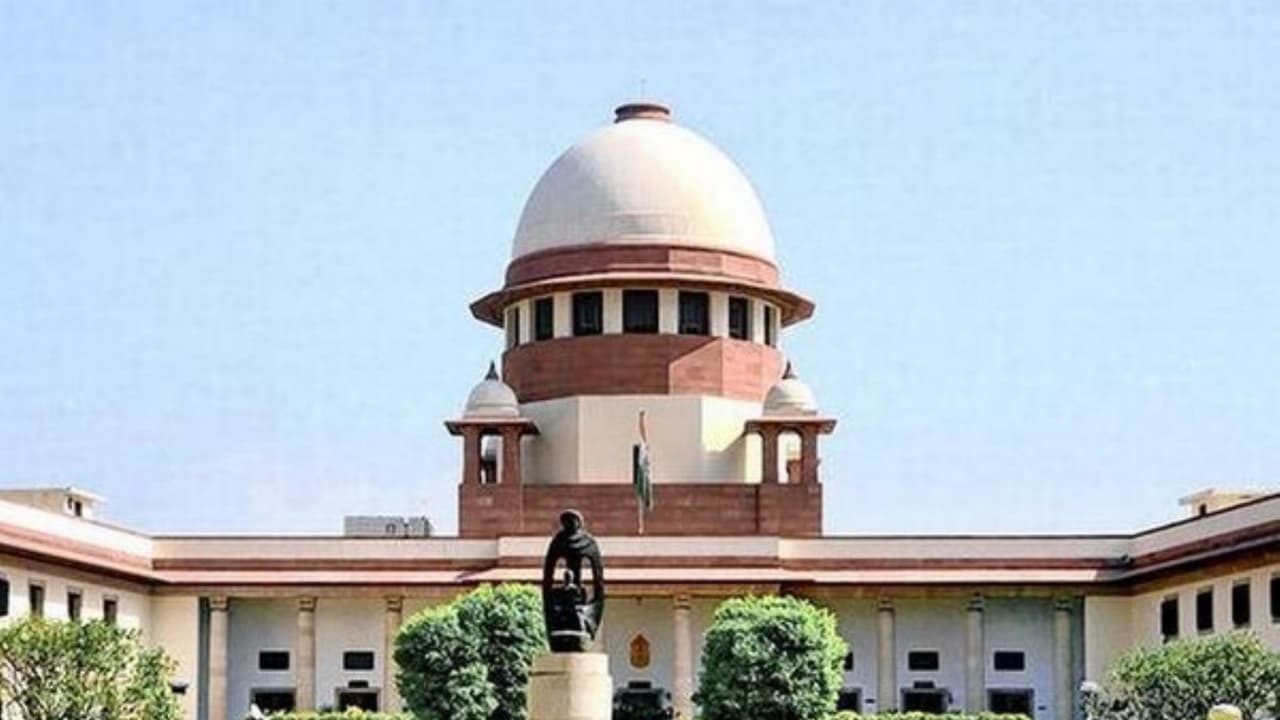
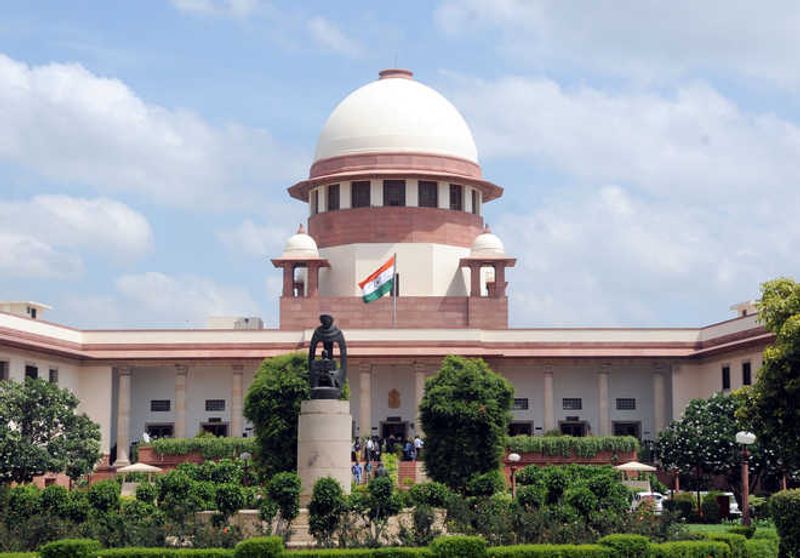
The Supreme Court issued notice to Union Education Secretary T.K. Anil Kumar on Wednesday over alleged non-compliance with an earlier court order Telegraph India. A bench of Justices Dipankar Datta and Sheel Nagu gave the secretary four weeks to respond to a contempt petition filed by advocate Ashwini Kumar Upadhyay Indian Express. The case stems from a May 11 court direction that the government consider regulating unregistered institutions providing secular or religious instruction to children under 14 Tribune India.
Court Flags Government's Non-Action on Education Oversight
Advocate Upadhyay alleged that the government failed to take any decision within the permitted timeframe after the May 11 order ED Exlive. He claims numerous unregistered and unrecognised institutions are operating in districts along the Uttar Pradesh border Tribune India. The court indicated it will focus on whether the earlier order was actually followed, rather than ruling on broader constitutional questions about minority education rights.
Petition Seeks Registration and Monitoring of All Teaching Institutions
The petition demands mandatory registration, recognition, supervision and monitoring of institutions offering secular or religious instruction to children under 14 Indian Masterminds. Upadhyay argues this protects children's constitutional right to education and national interest. He frames the issue as one affecting internal security, national integration and unity—arguments he makes to justify stronger state oversight of these institutions.
Petitioner Challenges Minority Education Rights Under Article 30
Upadhyay's petition seeks to declare that Article 30 provides minorities no extra rights beyond those in Article 19(1)(g), the right to establish educational institutions Indian Express. He argues Article 30(a) should cover secular and professional education only, not religious instruction. Religious teaching institutions, the petition contends, fall under Article 26(a) instead, limiting minority protections in this area.
Court Sets Four-Week Deadline Without Personal Appearance Required
The bench gave the education secretary four weeks to file his response to the contempt allegations Telegraph India. The secretary was told he need not appear personally before the court. The next phase will examine compliance with the May 11 order rather than addressing the petition's broader claims about minority rights or the petitioner's security concerns about unsupervised institutions ED Exlive.
Sentiment
Mostly NegativeNEGATIVENEUTRALPOSITIVE
Publishers
16
Articles
21
Reach
37
Topics
A
AnonymousAuthor