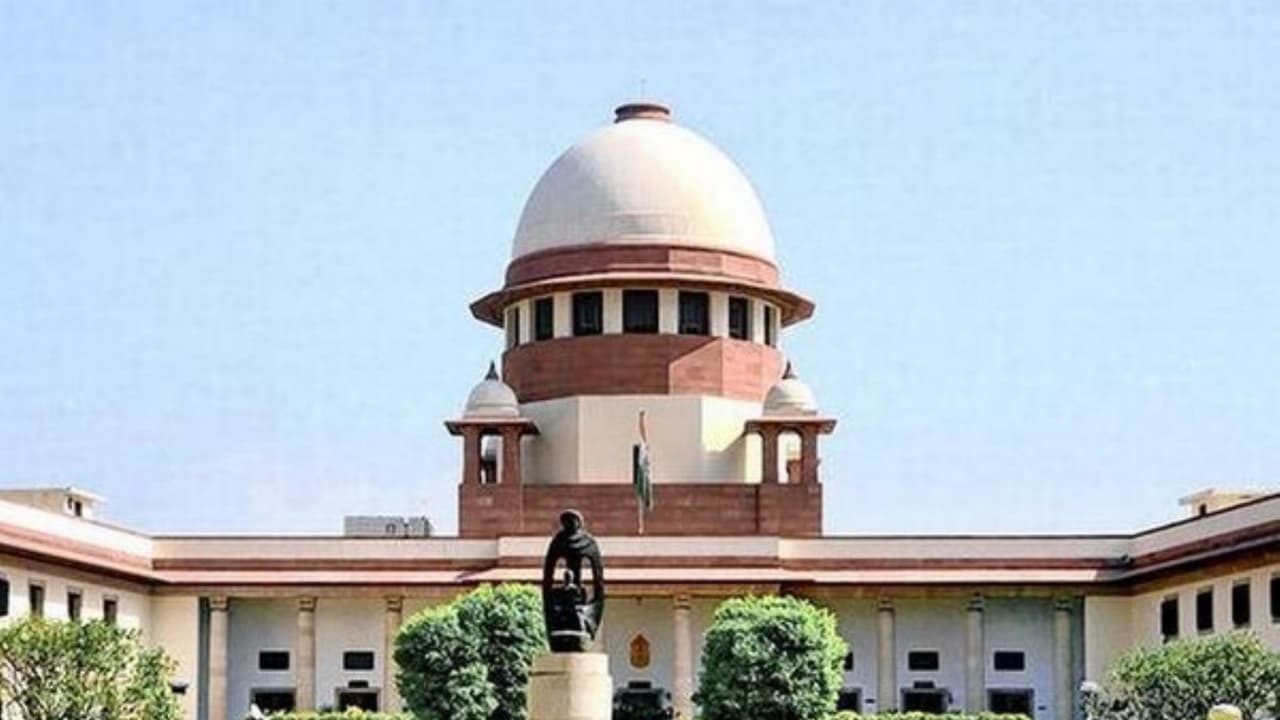
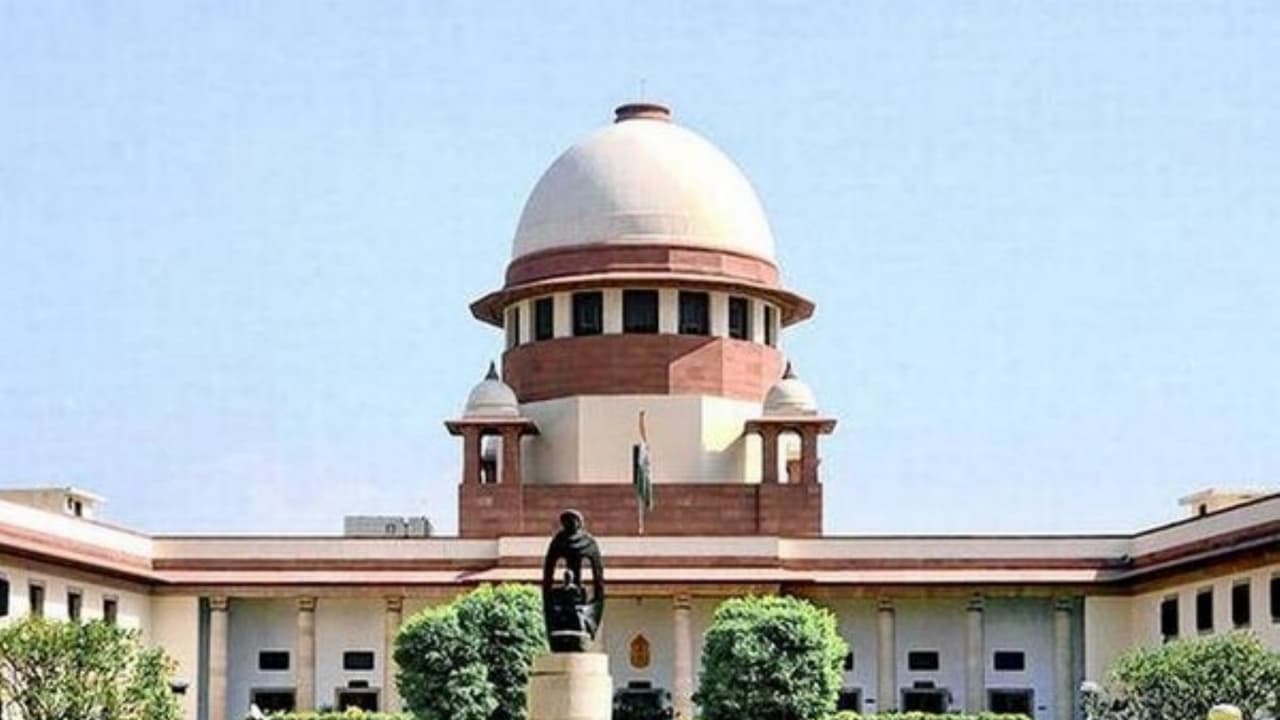
Supreme Court Declines Ex-Mayor's Plea Over UP Raid
Supreme Court Declines Ex-Mayor's Plea Over UP Raid
Anonymous
Key Points
1
Suri’s petition alleged that the incident occurred around 1 a.m. on August 22–23, with the team reportedly led by Ghaziabad ACP Suryabali Maurya and comprising five named sub-inspectors and about 30 additional people, some allegedly in plain clothes.
2
Suri’s counsel alleged that the police initially said they were searching for a suspect in a “double-murder case” and that no warrant was produced when Suri asked to see one; the petition also claimed the General Diary entry was prepared only after the alleged raid.
3
Uttar Pradesh offered a more detailed account of its version, saying officers were acting on a warrant, had tracked the suspect to a tower within 200 yards of Suri’s residence, and were accompanied by two officers from Nizamuddin East police station. The state said the officers only rang the bell and left after being told the suspect was not there.
4
The state also argued that if Delhi police declined to register an FIR, Suri could pursue the next statutory step by approaching a superior police officer, reinforcing its claim that the Article 32 petition was premature.
India's Supreme Court refused to directly intervene in former Delhi Mayor Farhad Suri's complaint against Ghaziabad police officers over a midnight raid at his home. A bench led by Chief Justice Surya Kant told Suri to file a formal report with his local police station first, following the law's required steps before seeking court help.
Suri claimed police arrived around 1 a.m. on August 22–23 without a warrant, searching for a journalist. He said roughly 30 officers, some in plain clothes, conducted an intimidating search. UP police denied entering his home, saying they were lawfully pursuing a suspect and produced documentation of their actions.
Police Raid Details Disputed Between Suri And UP Authorities
Suri alleged that Ghaziabad ACP Suryabali Maurya led the contingent, which included five named sub-inspectors and approximately 30 additional personnel. Suri's legal petition claimed officers initially said they were hunting someone in a "double-murder case" and refused to show a warrant when asked. The General Diary entry documenting the raid appeared only after the alleged incident occurred.
Uttar Pradesh presented a different account. State filing stated officers possessed a valid warrant, had tracked their suspect to a cell tower within 200 yards of Suri's residence, and brought two officers from Nizamuddin East police station. The state claimed officers only rang the doorbell and left peacefully after learning the suspect wasn't present.
Why The Court Rejected Suri's Direct Appeal
Chief Justice Surya Kant's bench declined to use Article 32 powers, which allow the court to step in directly for fundamental rights violations. The bench said Suri must first exhaust basic legal remedies available under the Bharatiya Nagarik Suraksha Sanhita, India's procedural law governing criminal matters.
Suri was directed to approach the jurisdictional police station under Section 175 and file an official complaint. The court noted that if Delhi police refuses to register a case, Suri can appeal to a senior police officer next. UP authorities reinforced this position, arguing the Article 32 petition was premature without trying these standard steps first.
Court Refuses To Create New Rules On Inter-State Raids
Suri also requested that the court establish broader guidelines governing police raids across state lines. The bench rejected this request, saying the matter belonged in the statutory system, not in broader constitutional territory. The court emphasized that existing procedures were sufficient to handle Suri's grievance.
Sentiment
Mostly NegativeNEGATIVENEUTRALPOSITIVE
Publishers
15
Articles
10
Reach
25
A
AnonymousAuthor