Waymo's Robotaxi Independence
Waymo plans to end Uber robotaxi partnership, pursuing independent operations by 2028
Anonymous
Key Points
1
Phoenix: The Phoenix robotaxi partnership was officially ended in May 2026; Waymo redeployed the Phoenix fleet into its own operations and to third-party partnerships, including DoorDash deliveries and Via Transportation.
2
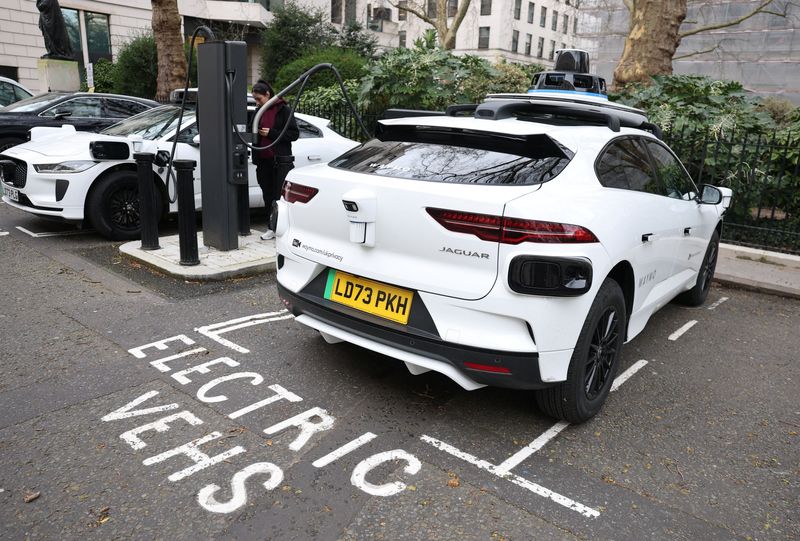
London is identified as a future battleground for competition between Waymo and Uber in the autonomous-ride market.
3
Waymo has raised concerns about Uber's operations, citing issues like vehicle routing and cleanliness, while Uber argues that existing limits and terms inhibit growth; Waymo vehicles have also been unavailable in bad weather at times.
4
In Austin and Atlanta, Waymo plans to operate independently starting January 2028 as allowed by the contract, but the Uber-Waymo arrangement will continue for now, with Uber offering Waymo rides in those cities until the contract ends in May 2028.
Waymo is planning to break away from its robotaxi partnership with Uber, according to Financial Times. The Alphabet-owned self-driving company has held internal discussions about operating independently in Austin and Atlanta starting January 2028, when its contract allows it to do so. Uber's stock dropped 4% after the report surfaced, signaling how much investors worry about losing the Waymo relationship.
The split is already underway in Phoenix. Waymo officially ended that partnership in May 2026, CNBC reported. The Phoenix fleet was redeployed into Waymo's own operations and handed off to partners like DoorDash and Via Transportation. The move signals a clear pattern: Waymo wants to go it alone.
A Souring Relationship Behind the Breakup
The two companies don't agree on much anymore. Financial Times reports that Waymo has raised complaints about how Uber runs the partnership. Issues include vehicle routing problems and cleanliness of cars. Waymo vehicles have also been pulled off the road during bad weather, frustrating riders.
Uber pushes back with its own grievances. The company argues that the current contract terms limit how fast the service can grow. Both sides want different things from the deal. That tension has made a clean break look more and more likely, according to hot96.com.
Austin and Atlanta: The Last Two Battlegrounds
The Uber-Waymo arrangement is still running in Austin and Atlanta for now. Uber continues to offer Waymo rides in both cities. But Waymo plans to operate on its own in those markets starting January 2028. The full contract doesn't expire until May 2028, so some overlap is expected.
This phased exit mirrors the Phoenix playbook. Waymo isn't cutting ties all at once. It is using the time left on the contract to build its own customer base and logistics. By the time the deal officially ends, Waymo expects to stand on its own in each market, according to radiousa.com.
London Looms as the Next Autonomous-Ride Battleground
The rivalry between Waymo and Uber isn't staying in the United States. London has been identified as a key future market where both companies plan to compete for autonomous-ride customers. Uber already has a massive presence in London. Waymo sees it as a prize worth fighting for.
The stakes are high globally. Autonomous vehicles could reshape urban transport entirely. Both companies are also lobbying hard in Washington, D.C. over proposed federal rules on self-driving cars, according to Financial Times. Their different views on regulation are another reason the partnership has frayed.
Waymo's Bigger Push Toward Independence
Waymo's exit strategy fits a broader shift in the autonomous vehicle industry. Rather than rely on ride-hailing partners, Waymo wants to own the full customer experience. Partnering with DoorDash for deliveries and Via for transportation shows Waymo is building a diverse business on its own terms, according to news.ssbcrack.com.
The Uber partnership made sense early on, when Waymo needed reach and Uber needed technology. That calculus has changed. Waymo now has enough scale and brand recognition to go direct. The question is how fast it can replace what Uber's network provided — and whether riders will notice the difference.
Sentiment
Mostly NegativeNEGATIVENEUTRALPOSITIVE
Publishers
14
Articles
57
Reach
71
A
AnonymousAuthor


