Kyiv Internet Outages
Russian strikes on Kyiv damage data centers and disrupt local internet services.
Anonymous
Key Points
1
Pavutyna described the disruption as a “large-scale outage,” saying some subscribers could be left without communications while specialists worked to restore service.
2
UTELS provides internet services in Kyiv and the surrounding region, while Pavutyna serves Kyiv and suburbs in Kyiv Oblast, indicating that the effects could extend beyond the capital itself.
3
UTELS’s website says the company operates its own data center for server and network equipment and has backup power infrastructure, though the strike left equipment without power.
4
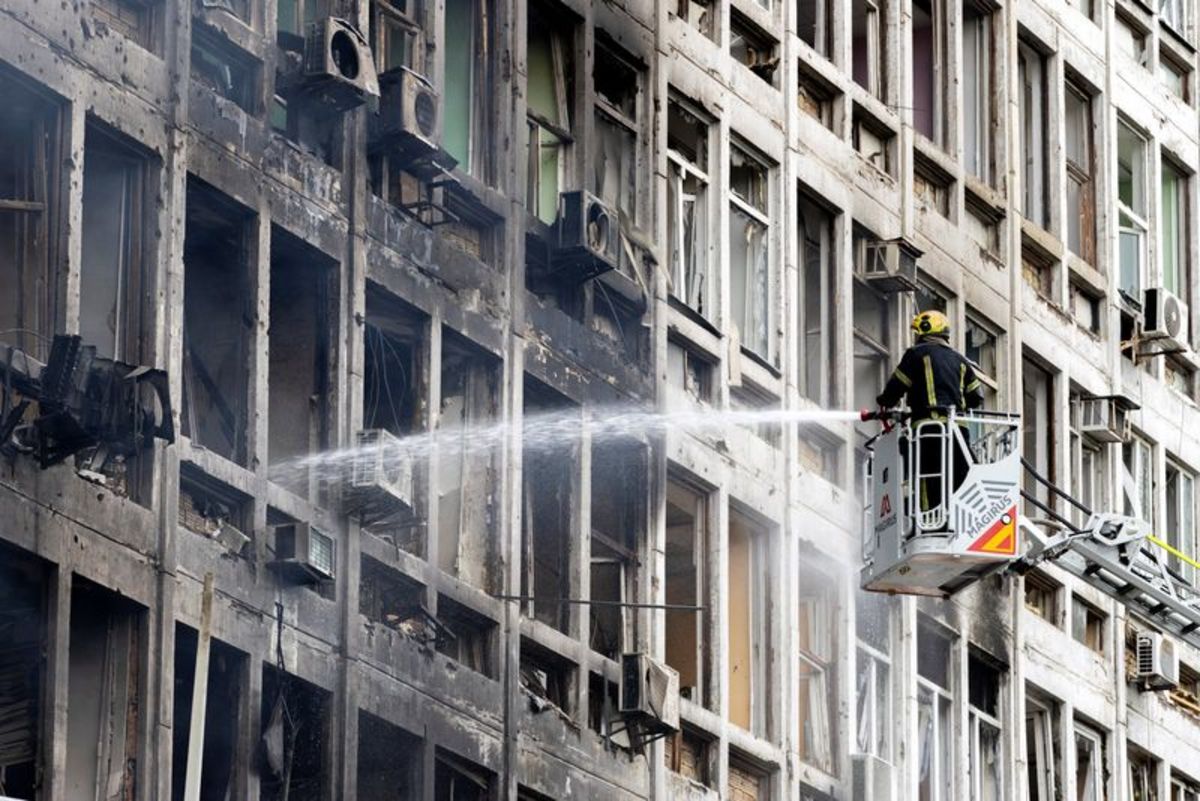
The broader September 23 attack also caused fires at civilian sites, including the Shayba market near Kyiv’s railway station, and Ukrainian reports said casualties included at least one death and several injuries.
Russian drone strikes on Kyiv on September 23 damaged critical data-center equipment, knocking out internet service for roughly 100,000 households across the capital and surrounding region, Digital Ministry reported. Two major internet providers — Pavutyna and UTELS — said their core infrastructure lost power, and emergency crews began repairs with no timeline for full restoration.
The strike hit civilian targets across Kyiv, including the Shayba market near the railway station, which caught fire. At least one person died and several were injured in the broader attack, part of Russia's ongoing campaign to disable Ukraine's communications infrastructure.
100,000 Homes Lose Internet in Capital Blackout
Yahoo News reported that Russia's drone barrage disabled internet access for approximately 100,000 households in Kyiv and the surrounding Kyiv Oblast region. The attacks specifically targeted data-center infrastructure that both Pavutyna and UTELS rely on to route and manage customer connections.
Pavutyna called the disruption a "large-scale outage" and warned subscribers that communications could remain disrupted for an extended period. UTELS, which serves the broader Kyiv region, said its core network equipment lost power after the strike damaged the facility housing its servers.
Data Centers Designed for Resilience Still Vulnerable
UTELS operates its own data center with backup power systems meant to keep services running during outages. Despite these safeguards, the Russian strike was powerful enough to knock equipment offline and force technicians to manually restore systems. The company did not specify whether the strike damaged backup generators or cut primary power lines feeding the facility.
Both providers serve millions of users across Kyiv and outlying suburbs. The loss of these data centers rippled outward, affecting not just internet access but also services that depend on stable connectivity — phone service, online banking, and emergency communications among them.
Broader Assault Damages Civilian Infrastructure Across City
The September 23 attack was part of a sustained Russian campaign targeting Kyiv's critical infrastructure. In addition to data centers, strikes hit the Shayba market near the central railway station, triggering fires and injuring multiple civilians. At least one person was killed in the broader barrage.
Russia has repeatedly targeted communications hubs and power stations throughout the war, seeking to disrupt Ukrainian military coordination and civilian morale. The attack on Kyiv's internet infrastructure marks the latest example of this strategy, leaving repair crews working around the clock to restore service while the country remains under threat of further strikes.
Sentiment
Mostly NegativeNEGATIVENEUTRALPOSITIVE
Publishers
18
Articles
34
Reach
52
A
AnonymousAuthor


